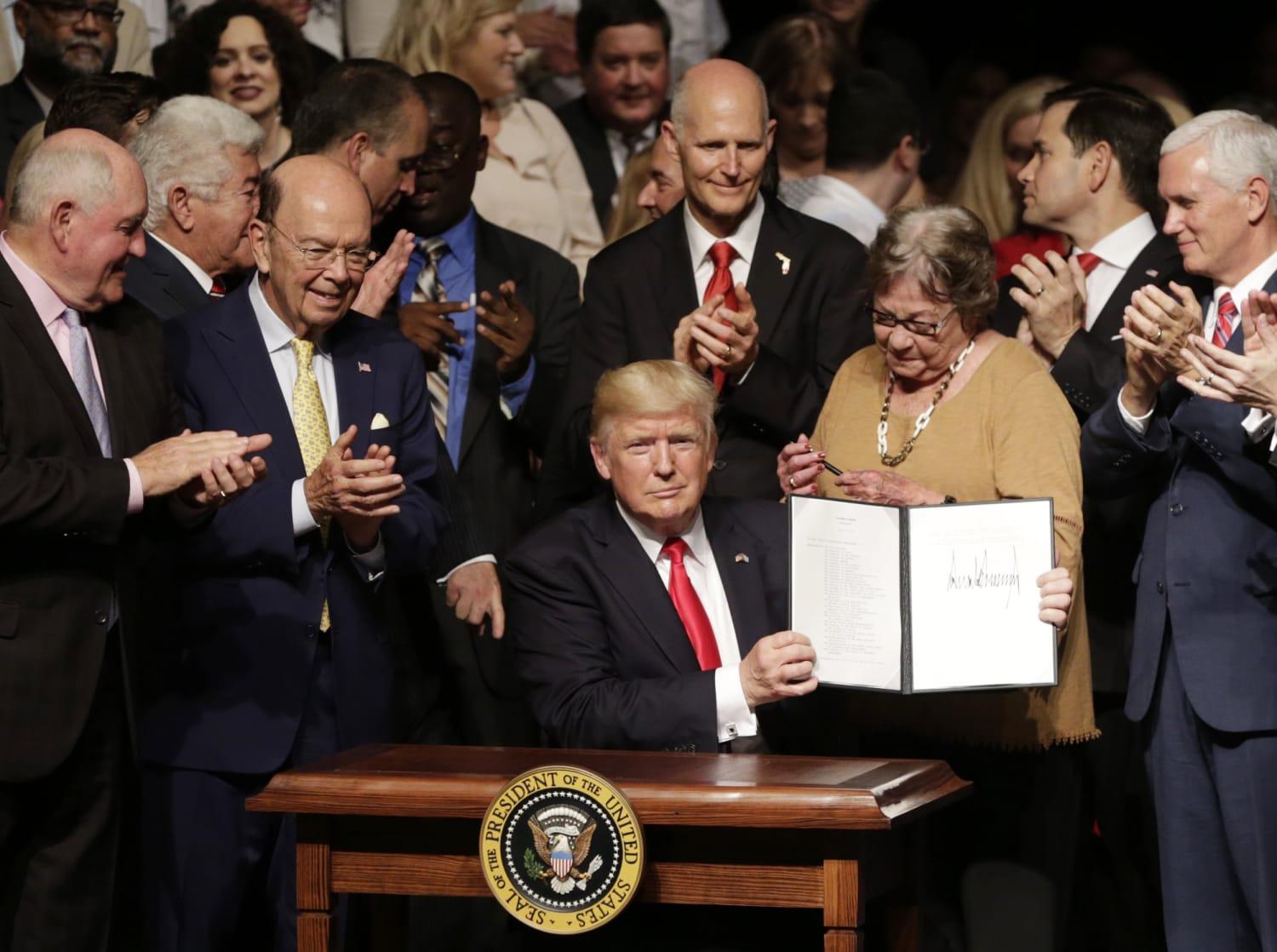
In the intricate landscape of U.S.-Cuba relations, President Donald Trump’s approach promises not only to shape diplomatic ties but also to define America’s broader geopolitical strategy in Latin America. As the administration faces mounting pressure to recalibrate its policies in a region that has long been a focal point of American foreign interests, questions arise about the effectiveness and long-term implications of Trump’s Cuba policy. Experts and analysts agree that a strategic pivot could enhance U.S. leverage in a rapidly evolving geopolitical environment, offering both opportunities and challenges. In this article, we explore the key considerations that should inform a comprehensive Cuba policy under the Trump administration, aiming to consolidate U.S. interests while fostering stability and cooperation in the Caribbean.
Reassessing the Embargo: Strategies for Economic Engagement with Cuba
Reassessing the decades-long embargo on Cuba requires a nuanced understanding of both the potential benefits and challenges of economic engagement. Strategic collaboration with the island nation can unlock avenues for mutual growth, enhancing trade relations, tourism, and cultural exchange. By recalibrating policies, the U.S. can focus on fostering relationships in specific sectors, such as:
- Agriculture: Promoting American agricultural exports can alleviate food shortages in Cuba while providing a new market for U.S. farmers.
- Healthcare: Engaging in joint health initiatives can bolster Cuba’s healthcare system and create opportunities for U.S. pharmaceutical companies.
- Renewable Energy: Partnering on sustainable energy projects can help Cuba transition to greener alternatives, addressing climate change and energy dependence.
Furthermore, the U.S. can implement a phased approach to lifting restrictions, ensuring accountability while allowing for gradual economic cooperation. A well-structured dialogue focusing on human rights and economic reforms can pave the way for sustained engagement, while also addressing concerns related to governance in Cuba. To visualize potential outcomes of a redefined policy, consider the following table:
| Area of Cooperation | Potential Impact |
|---|---|
| Agricultural Exports | Increased food security in Cuba, expanded U.S. market |
| Healthcare Initiatives | Improved health outcomes, access to U.S. medical innovations |
| Renewable Energy Projects | Reduction in energy costs, enhanced U.S. green technology presence |
Strengthening Diplomatic Ties: A Path to Regional Stability and Cooperation
The United States has a critical opportunity to reshape its relationship with Cuba as a means to foster greater regional stability and cooperation. By prioritizing diplomatic engagement over isolation, the U.S. can not only enhance its influence in Latin America but also address pressing issues such as migration, drug trafficking, and environmental challenges. A collaborative approach may involve:
- Increasing Economic Ties: Reassessing trade restrictions to allow for a more robust exchange of goods and services.
- Cultural Exchange Programs: Promoting educational and cultural initiatives that build mutual understanding between Cuban and American citizens.
- Joint Security Initiatives: Establishing cooperative frameworks to address shared security concerns in the region.
Furthermore, establishing communication channels focused on mutual respect and common interests can pave the way for addressing contentious issues. By emphasizing people-to-people connections and fostering collaboration on regional challenges, the U.S. can play a pivotal role in transforming Cuba from a point of contention to a partner in regional efforts. An effective strategy would include:
| Strategy | Goal |
|---|---|
| Diplomatic Engagement | Reduce tensions and foster cooperation |
| Trade Facilitation | Boost economic growth and stability |
| Security Partnerships | Enhance regional safety and resilience |
Promoting Human Rights: Balancing US Interests with Cuban Civil Liberties
Striking a balance between national interests and the promotion of civil liberties in Cuba remains a complex challenge for U.S. policymakers. To effectively advance American interests while encouraging human rights on the island, any Cuba policy must consider the following key aspects:
- Diplomatic Engagement: Reestablishing diplomatic relations with Cuba can open channels for dialogue, enabling U.S. officials to advocate for greater respect for human rights and democratic governance.
- Humanitarian Aid: Providing humanitarian assistance directly to the Cuban people can empower civil society and support grassroots initiatives that foster human rights.
- Economic Opportunities: Encouraging private sector investments can create jobs and improve standards of living, thereby indirectly promoting a demand for civil liberties.
- International Collaboration: Working with allies to apply coordinated pressure on the Cuban government can amplify calls for democratic reforms and enhance accountability.
The intersection of U.S. interests and Cuban civil liberties must not be overlooked in shaping future policies. A productive approach may involve comprehensive strategies that involve:
| Strategy | Description |
|---|---|
| Sanctions Review | Assessing and potentially recalibrating sanctions to target government entities while exempting humanitarian needs. |
| Support for Activists | Increasing funding for NGOs and independent media, supporting those who advocate for democratic reforms. |
| Public Awareness Campaigns | Launching initiatives to raise awareness about human rights abuses within Cuba, securing international focus on the issue. |
The Conclusion
In conclusion, as the U.S. navigates the complex landscape of international relations, a reevaluation of its Cuba policy under the Trump administration presents a unique opportunity to advance American interests while fostering constructive dialogue with our Caribbean neighbor. By prioritizing engagement over isolation, and considering a multifaceted approach that encompasses economic, diplomatic, and cultural dimensions, the U.S. can not only strengthen its position in the region but also contribute to a more stable and prosperous Cuba. As discussions surrounding policy directions continue to evolve, it is imperative that any strategy reflects the realities of both domestic priorities and global dynamics. The path forward will undoubtedly require careful consideration of historical lessons and an earnest commitment to building a sustainable relationship, ultimately benefiting the citizens of both nations.