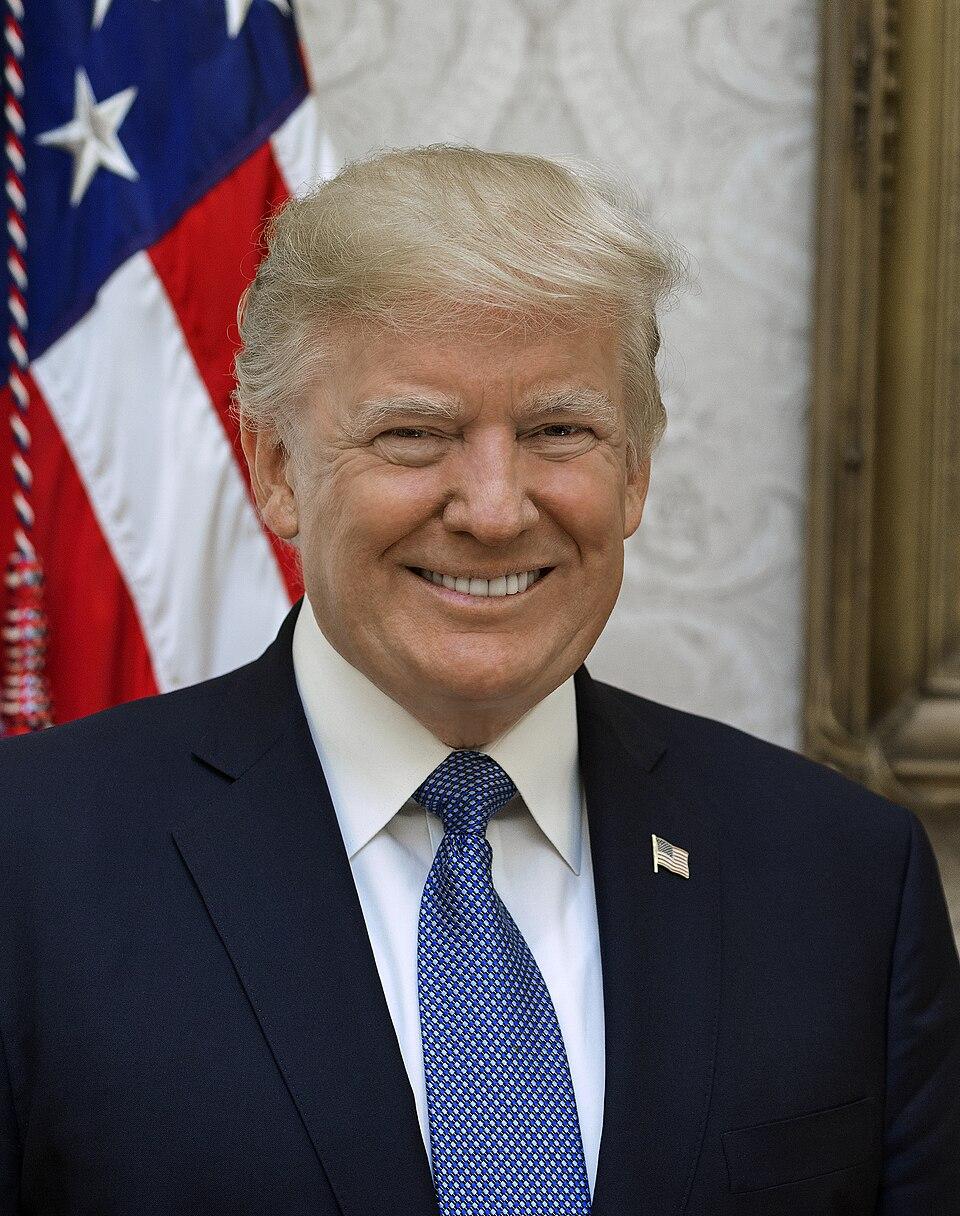
In a significant shift in foreign policy, the Trump administration has announced plans to tighten the United States’ longstanding approach toward Cuba, marking a departure from the more conciliatory tactics of previous years. As part of this initiative, the administration aims to impose stricter regulations on travel and commerce, further isolating the Cuban government amid ongoing concerns over human rights abuses and the lack of political freedoms on the island. This move has sparked a renewed debate over U.S.-Cuba relations, with supporters arguing it is a necessary stance against a repressive regime, while critics warn that it could exacerbate the hardships faced by the Cuban people. As the administration details its new policy framework, the implications for diplomatic relations and economic interactions between the two nations are already drawing significant attention from lawmakers and Cuban Americans alike.
Trump Targets Economic Restrictions to Pressure Cuban Regime
In a decisive move, the Trump administration is intensifying economic restrictions aimed at the Cuban regime, signaling a tougher stance on U.S.-Cuba relations. These measures are designed to exert pressure on the Cuban government in response to its human rights violations and support for anti-democratic activities in the region. Key aspects of this policy shift include:
- Limiting remittances: New restrictions on the amount of money that can be sent from the U.S. to Cuba, targeting the Cuban military’s control over the economy.
- Sanctions on Cuban entities: Increased sanctions against businesses linked to the military and police forces.
- Travel restrictions: Tightened regulations on U.S. citizens traveling to Cuba, particularly prohibiting certain categories of travel.
As part of this strategy, the Trump administration aims to isolate the regime by leveraging the economic hardships faced by everyday Cubans, hoping to create internal pressure for change. In this context, the U.S. maintains that bolstering civil society in Cuba is key, advocating for the support of independent businesses and human rights groups. The following table outlines the potential impacts of these measures on various sectors within Cuba:
| Sector | Potential Impact |
|---|---|
| Tourism | Decrease in U.S. visitors, affecting local economies. |
| Remittances | Financial strains on families reliant on support from abroad. |
| Healthcare | Reduced access to medical supplies and equipment. |
Enhanced Diplomatic Stance Focuses on Human Rights Violations
The Trump administration’s renewed focus on human rights in Cuba marks a significant shift in U.S. foreign policy, reflecting a broader commitment to hold governments accountable for violations against their citizens. Under this new stance, the U.S. aims to spotlight issues such as political repression, suppression of free speech, and unjust imprisonment of dissidents. Officials emphasize that the commitment to human rights is a cornerstone of U.S. democracy and foreign relations, leading to a host of new measures aimed at pressuring the Cuban government to foster reforms.
This enhancement in policy is expected to include increased sanctions targeting individuals and entities directly involved in human rights abuses. The administration outlines several key elements in its approach, which may include:
- Heightened Sanctions: Imposing stricter economic barriers against specific Cuban officials.
- Support for Civil Society: Enhancing aid and resources for Cuban activists and independent organizations.
- Diplomatic Pressure: Engaging with allies to advocate publicly for human rights in international forums.
Additionally, a forthcoming report is anticipated to summarize documented cases of human rights abuses, providing a transparent framework for the new policies. The administration’s commitment aims to align U.S. diplomatic efforts with the promotion of universal freedoms and dignity, signaling a more assertive role in global human rights advocacy.
Key Recommendations for Strengthening U.S. Policy on Cuba
To effectively recalibrate U.S. policy towards Cuba, it is crucial to focus on approaches that prioritize human rights, economic opportunity, and diplomatic engagement. Key recommendations include:
- Enhancing human rights monitoring by increasing support for independent organizations within Cuba that advocate for democratic reforms.
- Reassessing the embargo policy to allow for the importation of essential goods and technology that can aid in improving the living standards of everyday Cubans.
- Encouraging cultural exchange programs that foster mutual understanding between the U.S. and Cuban citizens, thus promoting a more personal engagement beyond political lines.
Additionally, strategic partnerships with international allies are important to create a unified front in advocating for democratic reforms in Cuba. Collaborative efforts could involve:
- Coordinating with Latin American nations to amplify a collective voice on Cuban issues at the United Nations.
- Facilitating trade agreements aimed at developing small businesses in Cuba that can stimulate economic growth without bolstering the state-controlled economy.
- Utilizing technology and innovation to connect Cuban entrepreneurs with U.S. markets, helping to build a more robust private sector.
Key Takeaways
In conclusion, the latest moves by the Trump administration signal a significant shift in U.S. policy toward Cuba, aimed at tightening restrictions and redefining diplomatic engagement. As the administration emphasizes its stance on promoting human rights and curbing the influence of the Cuban government, the potential for increased tensions with Havana looms large. Observers and analysts are now left to ponder the implications of these changes on both the Cuban populace and the broader geopolitical landscape. As this policy unfolds, it will undoubtedly continue to draw attention from lawmakers, activists, and neighboring nations alike, underscoring the complex dynamics of U.S.-Cuba relations in an ever-evolving international framework.