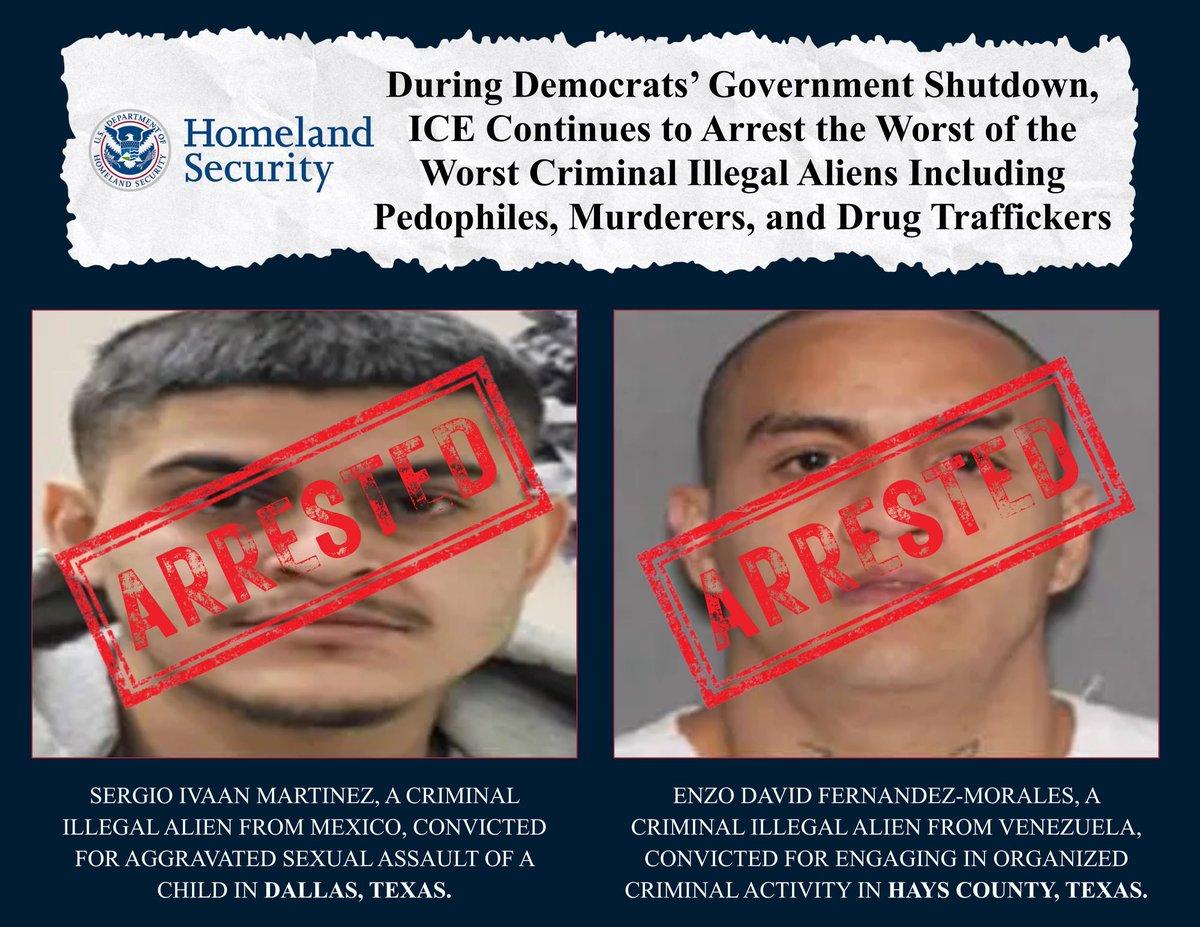
In a bold and controversial statement, former President Donald Trump announced his plan to address illegal immigration by proposing the transfer of what he termed the “worst criminal illegal aliens” to Guantánamo Bay. During a recent rally, Trump emphasized his commitment to strengthening national security and cracking down on crime, positioning his proposal as a necessary measure to deter illegal immigration and ensure public safety. This announcement has ignited discussions surrounding immigration policy, human rights, and the legal implications of such actions. Critics argue that the proposal raises ethical questions, while supporters contend that it reflects a decisive stance against crime. As the 2024 presidential election approaches, Trump’s remarks highlight the ongoing debate over immigration, crime, and the use of detention facilities in the United States.
Trump’s Proposal to Transfer Criminal Illegal Aliens to Guantánamo Bay Examined
The proposal by Donald Trump to relocate what he describes as the “worst criminal illegal aliens” to Guantánamo Bay has sparked considerable debate among lawmakers, immigration advocates, and legal experts. Proponents of the plan argue that it could serve as a deterrent against illegal immigration and enhance public safety by isolating individuals convicted of serious crimes. However, critics raise concerns about the legality and ethics of such a measure, questioning whether it complies with international human rights standards and how it aligns with American values of justice and due process.
Under the proposed plan, the classification of “criminal illegal aliens” would likely involve a range of offenses, from violent crimes to drug trafficking. The implications of sending individuals to a military detention facility notorious for its controversial history pose significant legal challenges. Some key considerations include:
- Legal Jurisdiction: Can the U.S. government legally transfer individuals convicted of crimes to a military base without trial?
- Human Rights: Would this action violate international treaties regarding unlawful detention?
- Political Repercussions: How might this proposal affect the U.S. relationship with other nations and international organizations?
| Aspect | Details |
|---|---|
| Proposal Nature | Transfer of criminal aliens to Guantánamo Bay |
| Potential Benefits | Deterrent against illegal immigration, enhanced public safety |
| Major Concerns | Legality, human rights implications, political fallout |
Legal and Ethical Implications of Detaining Non-Citizens at Guantánamo
The announcement of detaining individuals labeled as the “worst criminal illegal aliens” at Guantánamo Bay raises serious legal and ethical concerns. One major issue is the denial of due process rights guaranteed under both U.S. law and international treaties. Non-citizens, regardless of their immigration status, are entitled to legal protections that include fair trials and the presumption of innocence. By proposing to hold these individuals at a military facility known for its controversial practices, the government risks undermining the rule of law, leading to potential violations of human rights principles. Moreover, this action could set a troubling precedent for detaining other marginalized groups without the protections traditionally afforded to them.
Furthermore, the ethical implications surrounding the treatment of detainees must be taken into account. The U.S. has a checkered history with Guantánamo Bay, particularly regarding allegations of torture and inhumane treatment. The possibility of sending non-citizens there again revives concerns about the conditions within the facility and the long-term impact on individuals held there. Key points to consider include:
- Psychological Impact: Long-term detention can have severe mental health repercussions.
- Public Perception: The stigma associated with Guantánamo can influence societal attitudes towards non-citizens.
- International Relations: Such actions may tarnish the United States’ reputation and lead to diplomatic strains.
Evaluating the Impact of Trump’s Policy on Immigration and National Security
The rhetoric surrounding immigration and national security during Trump’s presidency sparked significant debate and concern among various stakeholders. By proposing to send what he labeled as the ‘worst criminal illegal aliens’ to Guantánamo Bay, Trump not only intensified the contentious discourse around immigration policy but also raised questions about the legal and ethical implications of such actions. Critics argue that this stance does little to address the complexities of the immigration system and may instead divert focus from effective reform efforts that prioritize human rights and due process.
In response to Trump’s controversial statements, various advocacy groups have expressed alarm over potential human rights violations and the implications for asylum seekers and migrant communities. The following points summarize key responses to this proposed policy shift:
- Legal Concerns: Questions around due process for individuals facing potential detention.
- Human Rights Violations: Fears of mistreatment and lack of transparency in detention practices.
- Impact on Families: Concerns regarding the separation of families due to arbitrary detentions.
Meanwhile, supporters of Trump’s approach argue that the need for stronger national security measures justifies such controversial policies. Proponents assert that prioritizing the removal of individuals with criminal backgrounds is essential to maintaining safety and order within the United States, but they often overlook the nuanced realities of immigration enforcement and the risks of overreach.
Insights and Conclusions
In summary, President Trump’s controversial remarks regarding the potential transfer of certain undocumented immigrants, whom he labels as “the worst criminal illegal aliens,” to Guantánamo Bay have sparked significant debate and concern among lawmakers and human rights advocates. While the administration’s approach to immigration continues to evolve, critics warn that such measures may violate fundamental legal and ethical principles. As discussions unfold, the implications of Trump’s statements for immigration policy and the treatment of individuals within the U.S. justice system remain to be seen. The conversation surrounding this issue will likely continue to draw scrutiny from various stakeholders as the nation grapples with the complex realities of immigration and national security.