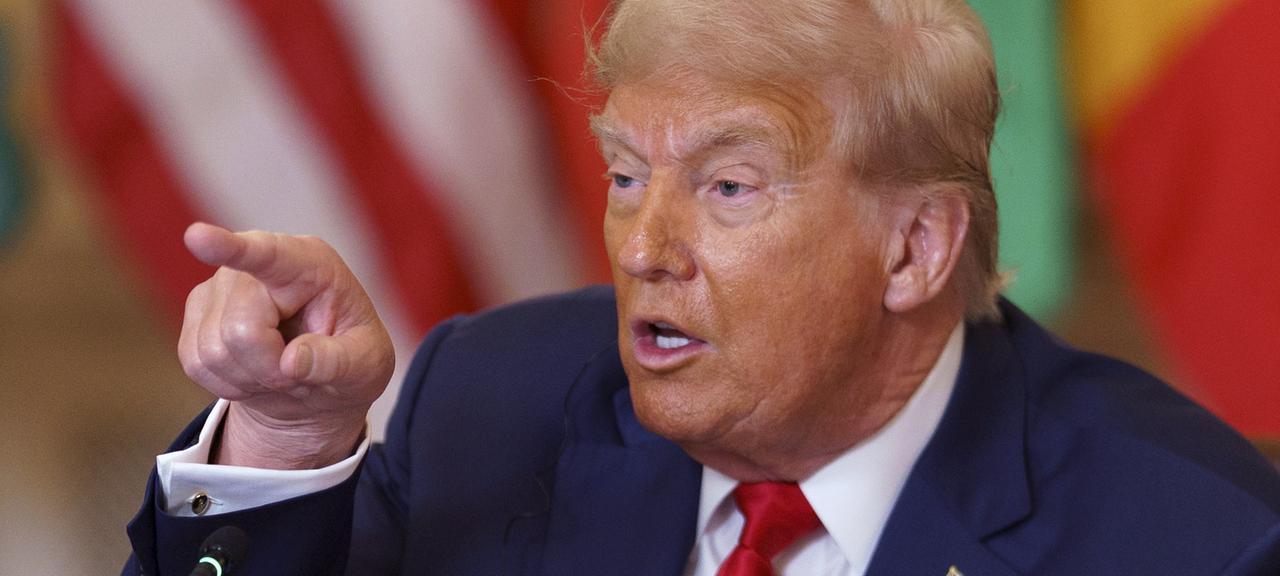
Trump Tightens US Policy on Cuba: A Shift in Diplomatic Relations
In a decisive move that signals a significant shift in U.S. diplomatic relations with Cuba, President Donald Trump has announced a series of stringent policy changes aimed at restricting economic and travel exchanges between the two nations. This policy recalibration, which reverses many of the normalization efforts initiated during the Obama administration, is poised to impact not only the Cuban government but also American businesses and families with ties to the island. As the administration seeks to address concerns over human rights abuses and the influence of the Cuban government, the implications of this tightened stance are set to reverberate throughout the Caribbean and beyond. In this article, we delve into the specifics of Trump’s new measures, the underlying motivations driving this policy shift, and the potential consequences for U.S.-Cuba relations moving forward.
impact of Trump administration’s policy shifts on US-Cuba relations
The Trump administration implemented a series of significant policy shifts regarding Cuba, reversing many of the previous administration’s efforts to normalize relations. This included the reinstatement of restrictions on travel and remittances, which had previously been relaxed, significantly impacting the economic landscape for many Cuban families dependent on financial aid from relatives abroad. The Trump administration identified military and intelligence ties between the Cuban government and other nations, particularly Venezuela, as a justification for these steps, arguing that engagement would embolden the regime rather than bring about meaningful change.
Moreover, the abrupt changes in diplomatic stance also affected bilateral cooperation in various sectors, including health and agriculture. Key measures included:
- Restrictions on U.S. businesses operating in Cuba, particularly in the hospitality sector.
- Increased sanctions targeting companies with ties to the Cuban military.
- Limitation on Cuban education programs that allowed American students to learn in Cuba.
This tightening of policies not only stifled economic opportunities for Cubans but also left many U.S. citizens frustrated, as opportunities for cultural exchange and tourism dwindled under the new restrictions. As a result, the relationship between the two nations entered a phase characterized by renewed discord and a regression towards isolationism.
economic implications for Cuban citizens under new US restrictions
The latest restrictions imposed by the Trump administration on Cuba are poised to have significant repercussions for the island’s economy and its citizens. With the tightening of travel and remittance policies, Cuban families reliant on support from relatives abroad face increased financial strain. The new measures aim to limit financial inflow by making it more challenging for Cuban Americans to send money back home, leading to potential declines in household incomes. This situation threatens to exacerbate existing disparities and poverty levels, particularly for those who depend heavily on remittances for basic necessities.
Moreover, local businesses, especially those in the hospitality and private sectors, are bracing for an uphill battle as tourism revenues are expected to dwindle. The restrictions also deter prospective travelers from the US, which can severely impact job opportunities and economic growth within the informal economy where many Cubans operate. Key implications include:
- Reduced purchasing power: Citizens may struggle to afford basic goods due to declining remittances.
- Increased unemployment: Business owners face dwindling customer bases as visitors opt for alternative destinations.
- Widening economic disparity: Low-income families are likely to suffer the most from these restrictions.
strategic recommendations for enhancing diplomatic engagement with Cuba
To foster a more constructive approach to U.S.-Cuba relations, it is imperative that policymakers consider a multifaceted strategy that emphasizes dialogue and collaboration. Key recommendations include:
- Reopening Diplomatic Channels: Establish formal channels to encourage regular communication between U.S. and Cuban diplomats, facilitating discussions on mutual interests such as health care, disaster response, and trade.
- Cultural Exchange Programs: Expand existing cultural and educational exchange initiatives, allowing for increased people-to-people connections that build understanding and trust.
- Trade and Investment Opportunities: Explore easing restrictions on U.S. businesses looking to invest in Cuba, particularly in sectors like renewable energy and biotechnology, which can provide mutual economic benefits.
- Human Rights Dialogues: Engage Cuba in a constructive conversation around human rights, combining pressure with incentives that might lead to domestic reforms.
Additionally, it is crucial to track and measure the impact of any changes implemented. A defined framework for evaluating diplomatic progress could include:
| Area of Engagement | Evaluation Metrics | Desired Outcomes |
|---|---|---|
| Trade Relations | Volume of exports/imports | Increased bilateral trade |
| Cultural Exchanges | Number of participants | Stronger cultural ties |
| Human Rights | Human Rights Index | Improved conditions |
The Conclusion
In conclusion, the tightening of U.S. policy towards Cuba under the Trump administration marks a significant shift in the longstanding diplomatic relationship between the two nations. As the U.S. re-evaluates its approach to Cuba, the implications for both countries and the broader region remain to be seen. Critics argue that these measures may hinder progress toward normalization and hurt the Cuban people, while supporters advocate for a tougher stance against the Cuban government. As the situation evolves, it will be essential for policymakers to carefully consider the potential outcomes of these policy changes. Stakeholders in Cuba, the United States, and the wider Caribbean will undoubtedly be watching closely as this story unfolds in the coming months and years.