
Introduction
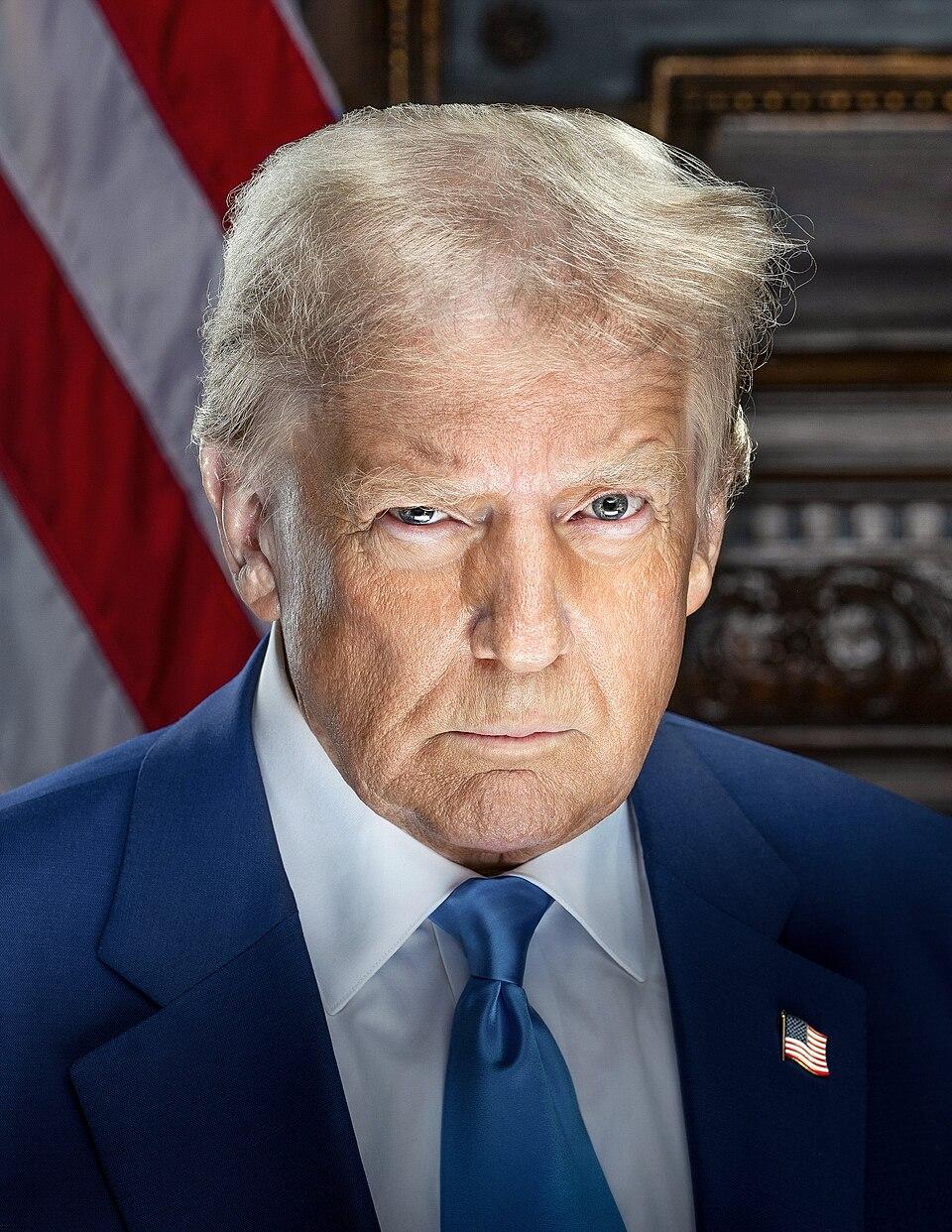
As former President Donald Trump makes his return to the political arena, the implications for U.S.-Cuba relations have become increasingly dire. His administration’s sweeping regulatory rollbacks and adversarial stance toward the island nation left a lasting impact, and many fear that his renewed influence could further exacerbate the challenges facing Cuba today. Economic strife, intensified by the effects of the COVID-19 pandemic and ongoing U.S. sanctions, has pushed the Cuban populace to the brink, as they grapple with shortages of basic goods and rising discontent. This article delves into the potential ramifications of Trump’s political resurgence on Cuba’s already precarious situation, exploring how his policies could deepen the suffering of millions and stifle opportunities for progress and reconciliation.
The Impacts of Trump’s Policies on Cuba’s Economy and Diplomacy
The shift in U.S. policies towards Cuba during Trump’s administration had significant repercussions on the island’s economy and diplomatic relations. The re-implementation of stringent sanctions, which reversed the previous thaw in relations initiated under the Obama administration, intensified the already existing challenges faced by the Cuban economy. Key impacts included:
- Restricted Trade: Increased limitations on American businesses operating in Cuba stymied the potential for economic growth.
- Tourism Decline: The reduction of U.S. travelers to Cuba hampered a vital sector that had begun to flourish.
- Remittance Regulations: Restrictions on remittances from Cuban Americans to their families in Cuba created hardships for many households dependent on this income.
In terms of diplomacy, Trump’s tough stance isolated Cuba on the international stage, undermining the collaborative efforts seen in prior years. The approach not only jeopardized bilateral relations but also drew criticism from various allies and human rights organizations. The ramifications included:
- Strained Regional Alliances: Cuba found it increasingly challenging to foster relationships across Latin America, as U.S. influence loomed large.
- Loss of Support from Global Partners: Countries that previously engaged with Cuba for trade or development assistance became wary of aligning with a nation under U.S. sanctions.
- Increased Migration Pressures: A deteriorating economic situation led to escalated migration, producing humanitarian challenges both for Cuba and neighboring countries.
Assessing the Future of U.S.-Cuba Relations Under a Trump Administration
The return of a Trump administration underscores a stark shift in U.S.-Cuba relations, with the potential for heightened tensions shaping the foreseeable future. Diplomatic overtures, briefly gained under the Obama presidency, are now at risk of being wholly reversed. Past rhetoric suggests a focus on applying economic pressure and isolationist strategies, which could further entrench the Cuban regime’s hardline stance. Recent statements from key Trump advisors indicate a push for tougher sanctions, which may include measures to cut remittances and limit travel options for American citizens. The implications for ordinary Cubans-who have already faced hardships due to the lingering effects of previous U.S. policies-could be severe, with increased food scarcity and limited access to resources becoming glaring issues.
In examining the broader implications of these political maneuvers, it is critical to recognize the potential for increased socio-economic struggles in Cuba. Should the Trump administration pursue its historical approach, we may witness the following consequences:
- Increased emigration: A surge in Cubans seeking refuge in the U.S. could result from economic despair.
- Heightened internal dissent: As economic conditions deteriorate, public discontent may prompt a crackdown from the Cuban government.
- Strained diplomatic channels: Opportunities for dialogue and mutual benefit may vanish, leading to further alienation.
Coupled with significant global challenges, the prospect of renewed U.S. hostility towards Cuba emerges as a factor that could push the island nation deeper into economic isolation. A potential lack of international support in the wake of escalated sanctions may exacerbate Cuba’s struggles, revealing the intricacies of how foreign policy directly impacts the lived realities of its citizens. The stage seems set for a period of unintended consequences that could ripple far beyond the island’s shores.
Strategies for Resilience: How Cuba Can Navigate a Challenging Political Landscape
In light of the shifting political tides, Cuba must employ innovative strategies to bolster its resilience against external pressures. A multifaceted approach is essential for navigating the complexities of a turbulent political landscape. Key strategies may include:
- Strengthening Economic Diversification: By fostering alternative sectors such as technology, agriculture, and tourism, Cuba can reduce its dependency on any single source of revenue.
- Enhancing International Partnerships: Maintaining and expanding diplomatic relations with countries sympathetic to its cause, including China and Russia, could provide vital economic aid and political support.
- Promoting Cultural Diplomacy: Utilizing Cuba’s rich cultural heritage can help build soft power, attracting global interest and fostering connections that may lead to economic opportunities.
Additionally, improving internal governance and transparency can bolster public trust and unity. Strategic initiatives may include:
| Initiative | Description |
|---|---|
| Anti-Corruption Measures | Implementing stringent policies to curb corruption and ensure accountability within the government. |
| Citizen Engagement | Encouraging grassroots participation in governance to create a more inclusive political environment. |
These combined efforts can help cultivate a more resilient Cuba, capable of withstanding external challenges while fostering internal unity and development.
In Summary
As the political landscape shifts once again with Donald Trump’s return to prominence, the implications for U.S.-Cuban relations are stark and concerning. The prospect of renewed tensions and a reversal of diplomatic progress threatens to further entrench economic hardships for the Cuban people. With the specter of past policies looming large, the path forward remains fraught with uncertainty. Stakeholders on both sides of the Florida Straits must confront the realities of a system struggling under the weight of isolation and lead the dialogue toward a more constructive and compassionate approach. As these developments unfold, the world will be watching closely to see how a dramatic change in U.S. leadership will impact one of the region’s most enduring relationships. The coming months will be critical, and how policymakers respond will determine not only the fate of Cuba but also the trajectory of U.S.-Latin American relations in an increasingly complex geopolitical landscape.











