
Trump Once Again Tightens the US Blockade on Cuba: A Look at Recent Developments
In a move that echoes the long-standing tensions between the United States and Cuba, former President Donald Trump has intensified the economic blockade against the island nation, reinstating a series of restrictions aimed at isolating the Caribbean country further. This renewed effort, which comes amid evolving geopolitical landscapes and ongoing discussions about human rights and economic independence, raises significant questions about the implications for Cuban citizens and U.S.-Cuba relations. As the Trump administration asserts its commitment to countering what it deems oppressive regimes, the international community watches closely, weighing the potential repercussions of such actions on an already strained diplomatic environment. In this article, we explore the details of the latest measures, their historical context, and the broader implications for both countries moving forward.
Trump’s Renewed Measures Against Cuba: Analyzing the Impacts on Diplomacy and Trade
The recent escalation in the US blockade against Cuba under the Trump administration marks a significant pivot in its diplomatic strategy, impacting both bilateral relations and the broader geopolitical landscape in Latin America. By reinstating and expanding restrictive measures, the administration aims to tighten economic controls that have been gradually loosened in previous years. Key elements of these renewed measures include:
- Increased sanctions: New restrictions target sectors such as tourism and remittances from Cuban Americans, limiting the financial resources flowing into Cuba.
- Trade limitations: The blockade further hampers Cuba’s ability to import essential goods, exacerbating existing economic challenges on the island.
- Diplomatic isolation: These moves may discourage other nations from pursuing normalization with Cuba, entrenching its position as a diplomatic pariah.
As the impacts of these policies begin to unfold, the immediate consequences are likely to be felt disproportionately by the Cuban populace, complicating access to healthcare and food security amid a pandemic-stricken economy. In the longer term, the renewed aggression may provoke retaliatory human rights rhetoric from the Cuban government, which could create further rifts. The balance of power in the region might also shift, as neighboring nations increasingly vocalize their opposition to U.S. interventionist tactics, potentially lining up against the blockade in regional forums. A concise overview of expected effects is shown below:
| Expected Effects | Description |
|---|---|
| Economic Hardship | Increased scarcity of basic goods and services. |
| International Relations | Strain with Latin American allies and support for Cuba. |
| Diplomatic Dialogues | Potential decrease in open negotiations between the US and Cuba. |
Economic Consequences of the Blockade: A Closer Look at the Humanitarian Crisis in Cuba
The tightening of the U.S. blockade under the Trump administration has exacerbated an already dire humanitarian situation in Cuba, creating severe economic repercussions that extend far beyond the island’s shores. Essential goods such as food, medicine, and hygiene products have become increasingly scarce, leaving many families to face daily struggles for survival. The blockade has restricted imports, limiting the flow of necessary supplies and driving up prices. In 2020 alone, it was estimated that the blockade cost the Cuban economy over $5 billion, showcasing the significant financial burden it places on a nation striving for self-sufficiency in the face of adversity.
The implications of these economic hardships are not confined to fiscal matters; they manifest in the everyday lives of Cuban citizens. Healthcare systems are on the brink of collapse, hindered by a lack of medical supplies and equipment, leading to diminished healthcare quality. Additionally, the blockade has stifled tourism and foreign investment, two vital sectors for economic growth. The table below summarizes some key statistics highlighting the blockade’s impact on Cuba’s economy:
| Sector Affected | Impact Description |
|---|---|
| Healthcare | Severe shortages in medicines and medical equipment |
| Food Supply | Increased prices and limited availability of essential food items |
| Tourism | Drastic decline in foreign visitors, affecting local businesses |
| International Trade | Restricted access to markets and essential imports |
Path Forward: Recommendations for US Policy Reform and Engagement with Cuba
In light of the recent escalations of the U.S. blockade on Cuba under the Trump administration, a strategic reevaluation of U.S. policy towards the island is necessary. Policymakers should consider a multifaceted engagement approach that prioritizes diplomatic relations and economic cooperation. Key recommendations include:
- Lift Economic Sanctions: Gradually lift the most restrictive economic sanctions to facilitate trade and investment, allowing Cuba to strengthen its economy and improve living standards for its citizens.
- Expand Cultural Exchanges: Promote cultural and educational exchanges that foster understanding and collaboration between the two nations, counteracting decades of hostility.
- Support Public Health Initiatives: Collaborate on public health efforts, particularly in the wake of the COVID-19 pandemic, to share medical resources and expertise.
- Strengthen Humanitarian Aid: Ensure that humanitarian aid reaches the Cuban people without bureaucratic impediments to address immediate needs effectively.
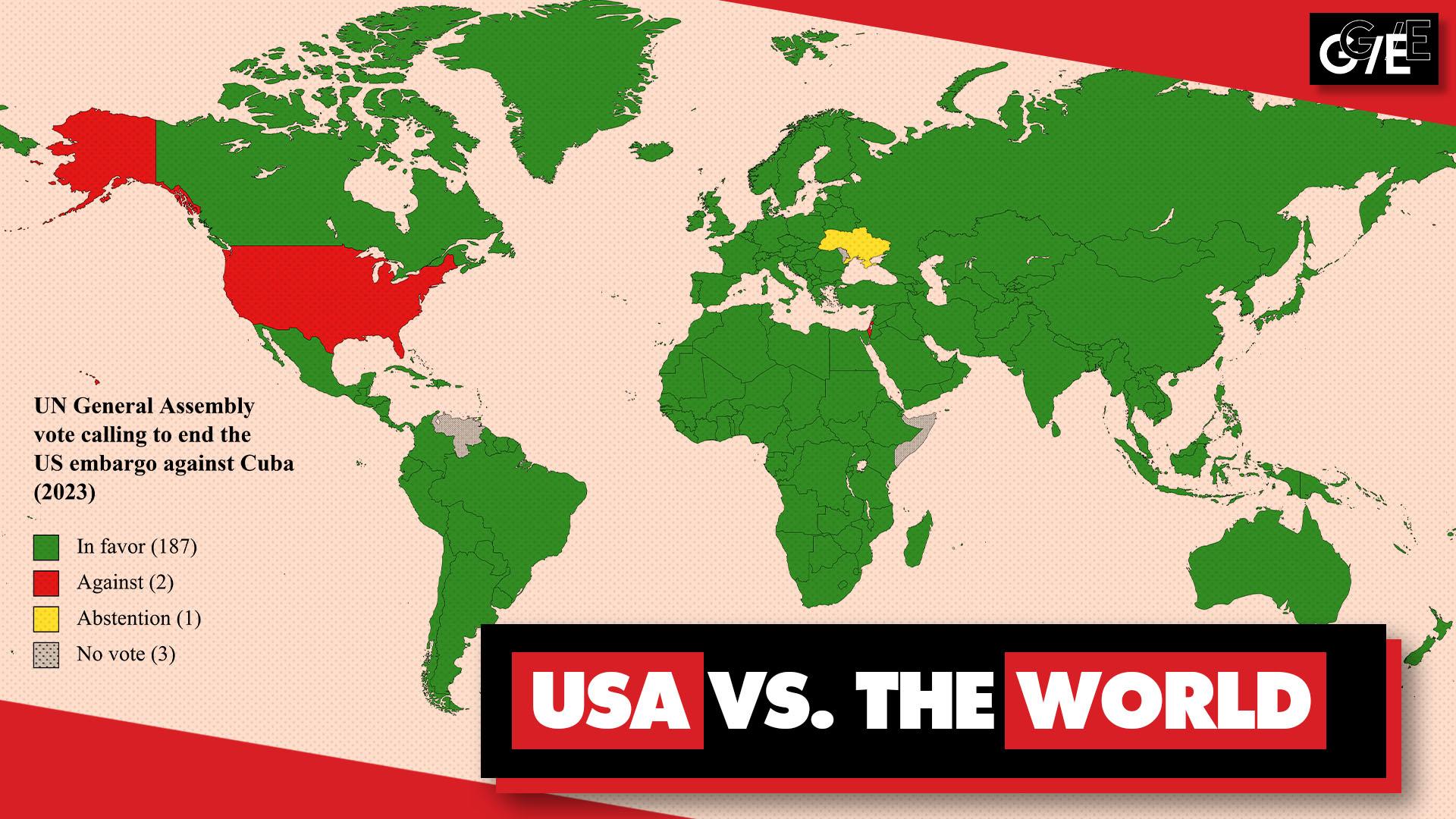
Furthermore, the U.S. should actively engage with international allies to seek a united front on lifting the blockade. This would not only diminish Cuba’s isolation but also showcase a global commitment to the principles of sovereignty and self-determination. A constructive dialogue with Cuba’s government could pave the way for mutual respect and collaboration, which is imperative for long-term stability in the region. Specific steps might include:
- Establish Bilateral Committees: Set up committees focused on trade, environmental issues, and security cooperation to address mutual concerns comprehensively.
- Encourage Private Sector Cooperation: Facilitate partnerships between U.S. and Cuban businesses to spur economic growth, particularly in tourism and agriculture.
- Enhance Travel Policies: Streamline travel restrictions to allow for greater mobility of U.S. citizens interested in visiting Cuba, which can lead to increased people-to-people connections.
Closing Remarks
In conclusion, the recent decision by the Trump administration to further tighten the blockade on Cuba marks a significant shift in U.S. foreign policy with profound implications for both nations. As the Cuban economy continues to navigate the challenges posed by these heightened restrictions, the voices of dissent and support on both sides of the Florida Strait grow louder. While the administration defends these measures as necessary for promoting democratic reforms in Cuba, critics argue that they disproportionately harm the Cuban people and hinder any potential pathways toward constructive dialogue. As the situation unfolds, it remains to be seen how this renewed blockade will affect U.S.-Cuba relations moving forward, and whether calls for change will resonate louder than the sanctions themselves. The world will be watching closely as this complex narrative develops, impacting not only the Cuban populace but also the broader geopolitical landscape in the region.











