Global Consensus Grows Against U.S. Economic Sanctions on Cuba
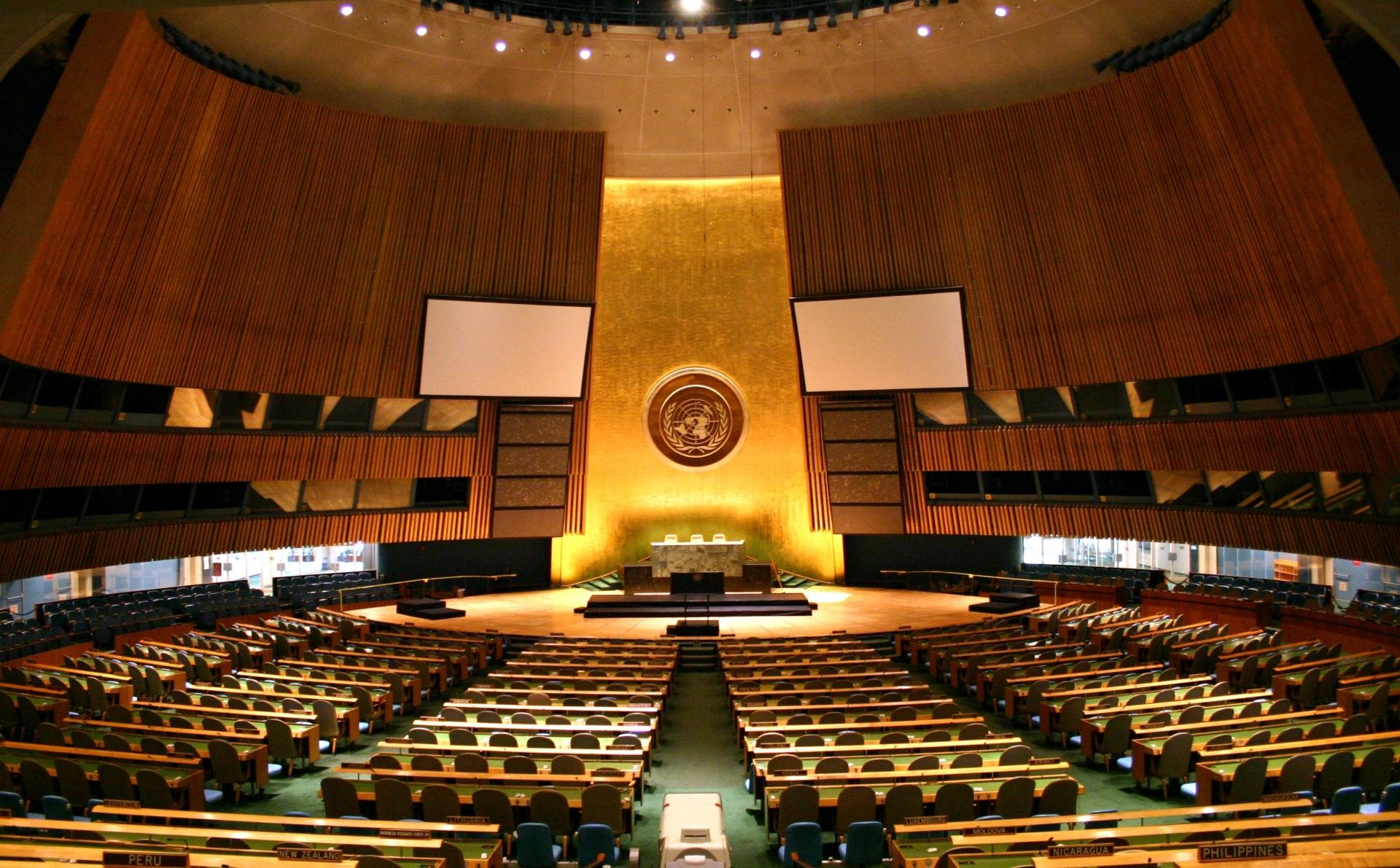
In a powerful demonstration of international sentiment, the United Nations General Assembly has once again denounced the enduring economic sanctions imposed by the United States on Cuba, marking this as the 32nd consecutive year of such resolutions. This vote comes at a time when U.S. foreign policy is under increased scrutiny worldwide, highlighting a persistent demand from various nations to end what many consider an outdated and ineffective policy. As these sanctions continue to influence Cuba’s economy and its diplomatic relations globally, this latest resolution signifies a growing belief that dialog is more beneficial than isolation in fostering regional cooperation. The ongoing geopolitical discourse raises notable questions about the effectiveness of sanctions and their repercussions on everyday Cubans, as calls for reform gain momentum internationally.
UN Assembly Reaffirms Global Demand to Lift U.S. Sanctions on Cuba
The United Nations General Assembly has reiterated overwhelming support for lifting the economic embargo that the United States has placed on Cuba. For 32 years running, member states have gathered to discuss the humanitarian consequences of these sanctions, with representatives asserting that they not only obstruct Cuba’s economic progress but also negatively impact its citizens’ lives. Key issues raised during this session included:
- Humanitarian Consequences: The embargo limits access to vital goods, medical supplies, and essential services for Cubans.
- Global Solidarity: A significant majority of countries reaffirmed their commitment to supporting Cuba’s right to self-determination.
- Plea for Dialogue: Numerous nations stressed the importance of constructive discussions between Washington and Havana to address longstanding conflicts.
This resolution has become emblematic of global efforts against unilateral sanctions and received backing from a wide array of countries. In an indicative vote outcome, only two nations—namely the United States and Israel—voted against it; this starkly contrasts with global perspectives favoring diplomatic engagement over isolationism.The increasing calls for lifting these restrictions highlight a shared belief that diplomacy could yield more favorable results than continued estrangement from international partners. Below is a summary table reflecting voting outcomes:
| Status of Vote | Total Countries Voting |
|---|---|
| In Favor | 185 |
| Against | 2 |
| No Vote (Abstentions) | 3 |
Impact Analysis: U.S. Economic Sanctions on Cuban Society
The economic restrictions imposed by the U.S.on Cuba have had profound effects on various aspects of life within Cuban society,intensifying existing challenges…. With much reliance placed upon state-controlled resources in daily life,the embargo severely limits access to crucial goods and services.Cuban healthcare—a system often praised for its comprehensiveness—has faced significant shortages in medical supplies due to these restrictions,resulting in longer wait times for treatments while overall public health outcomes decline.
Additonally,the embargo stifleseconomic opportunities , hindering Cubans’ abilityto engagein international trade or attract foreign investment.Job creation remains stagnant as private sector initiatives struggle without external collaboration.Many citizens are thus forced into informal economies justto meet basic needs.This shift undermines formal employment structures while creating disparities where access becomes increasingly unequal.Consequently,many international organizations have criticizedthese measures,supporting claims regarding their detrimental effectson ordinary Cubans’ lives.
Strategies for Diplomatic Solutions Aimed at Easing Economic Strain in Cuba
A collaborative approach among nations is crucialfor effectively tacklingthe ongoing economic difficulties facedbyCuba due tothe US embargo.Diplomatic solutions should prioritize fostering communication between WashingtonandHavana,focusingon immediate relief initiatives knownaslow-hanging fruit . Please considerthese recommendations:
- Engagement with Multilateral Organizations :Utilize platforms like UNand OASfor discussions surroundingtradeand investment prospects.
- Reciprocal Liftingof Restrictions :Suggest gradual easingofcertainrestrictionsin exchangefor transparencyandreformswithinCuban policies.
- Public Health & Humanitarian Aid Agreements :Create frameworksfor deliveringhumanitarian assistanceespeciallyinhealthcareandfoodsecurity.
- Cultural & Educational Exchanges :Encourage soft diplomacythroughprograms enhancingcultural tieswhichcanlaygroundworkfor broadereconomic dialogues.
- Reciprocal Liftingof Restrictions :Suggest gradual easingofcertainrestrictionsin exchangefor transparencyandreformswithinCuban policies.
Additionally ,building partnershipswith neighboring Latin American countriescould significantly aidCuba’s recovery.A proposal forthe establishmentofCuban Economic Relief Fund,encouragingprivate investmentsfromregional alliesis paramount.A potential modelcould be illustratedas follows:
| Country | Proposed Contribution | Focus Area |
|---|---|---|
| “Mexico” | $5 million” | Agriculture” |
| Brazil” | $10 million ” | Healthcare” |