
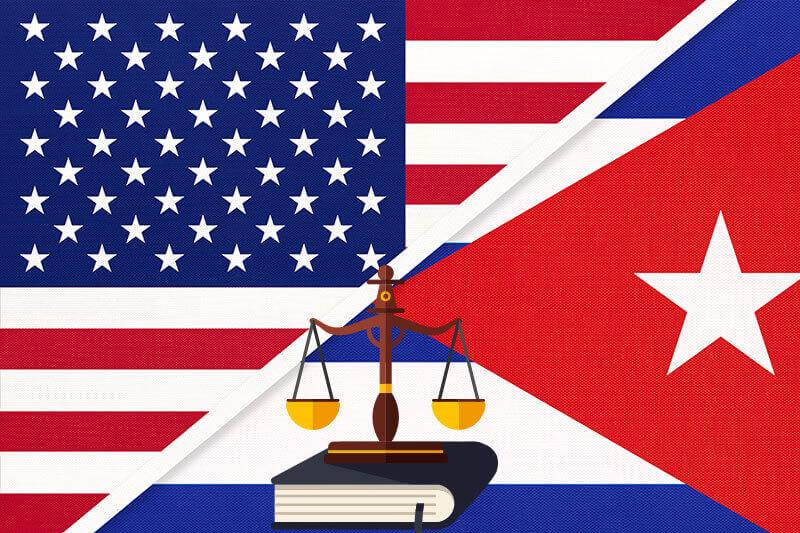
The Cuban Adjustment Act: A Critical Framework for Cuban Immigrants
In the landscape of U.S. immigration legislation, few laws have had as significant an impact on a specific community as the Cuban Adjustment Act (CAA) of 1966. Emerging from the Cold War’s volatile political climate, this act provides a distinctive route to permanent residency for Cubans escaping Fidel Castro’s authoritarian regime. Over time, this pivotal law has sparked discussions about immigration rights, human rights issues, and the evolving nature of U.S.-Cuba relations. The Obama administration revisited the CAA as part of broader initiatives aimed at normalizing ties with Cuba, reigniting debates about its relevance in today’s context. This article explores the historical background, implications, and key facts related to the Cuban Adjustment Act while tracing its influence from inception to current times.
Cuban Adjustment Act: Historical Overview and Key Developments
Enacted in 1966, the Cuban Adjustment Act (CAA) represented a crucial shift in U.S.immigration policy amid Cuba’s post-revolutionary turmoil.This legislation permitted Cubans who arrived in America after January 1, 1959, to apply for lawful permanent resident status after residing within U.S. borders for one year regardless of their initial immigration status. The act was largely a response to an influx of refugees fleeing Castro’s regime and aimed at providing these individuals with legal avenues for residency. Set against Cold War tensions, it underscored America’s commitment to aiding those escaping communism.
Throughout its history, the CAA has undergone various amendments and faced scrutiny that reflects changing relations between Washington and Havana.Significant developments include amendments introduced during the 1990s addressing concerns over mass migrations and policy shifts under President Trump in 2017 that sought to retract some protections established by this act. Among its most notable features are implications regarding migrant rights and broader discussions surrounding immigration policies between both nations.
- 1966: Introduction of the Cuban Adjustment Act.
- 1995: Launching of “Wet Foot/Dry Foot” policy.
- 2017: Repeal of “Wet Foot/Dry Foot” by Trump administration.
- 2021: Ongoing dialogues regarding future directions for CAA amidst evolving diplomatic relations.
Influence of Obama Administration on CAA Policies
The Obama administration implemented significant changes concerning the Cuban Adjustment Act (CAA), signaling a new approach towards Cuba aimed at fostering engagement rather than isolationism. One major alteration involved relaxing travel restrictions alongside efforts toward normalizing diplomatic relations which facilitated increased exchanges between both countries.This thaw allowed many Cubans to consider alternatives beyond seeking asylum in America—potentially finding support or opportunities back home—thereby lessening their urgency to migrate.
Additonally, President Obama’s focus on human rights issues influenced how Cubans were perceived within U.S immigration frameworks leading towards initiatives designed specifically for engaging with both diaspora communities and those seeking refuge from oppression back home.
The administration also navigated challenges posed by policies like wet foot/dry foot policy, which previously granted automatic residency upon reaching American soil.
As these discussions unfolded it became clear that balancing humanitarian considerations with strategic diplomacy was essential—a dynamic where CAA remained central amidst shifting geopolitical landscapes.
Essential Insights into Current Immigration Policies Related To The CAA
Grasping how far-reaching effects stem from understanding historical contexts surroundingCuban Adjustment Act This law allows eligible Cubans arriving stateside access pathways toward permanent residency following one year spent physically present here.
Key insights include:
- Differential Treatment:The act distinctly favors individuals originating from Cuba compared other migrant groups reflecting US policies geared towards offering sanctuary against communist regimes’ persecution .
- Migrant Flow Dynamics : It significantly shapes migration patterns encouraging perilous sea voyages undertaken by hopeful immigrants aiming secure legal status .
- Policy Evolution : Recent administrations have sought modify provisions leading uncertainty among members diaspora regarding future prospects within United States .
Recommendations directed towards individuals interested navigating application processes under this framework emphasize staying updated legislative changes while recognizing complexities inherent refugee procedures . Consulting experts specializing specifically around cuban migration can provide invaluable guidance through intricate systems involved .
Factors influencing applications may encompass :Factor
Application Influence
Length Of Stay Minimum requirement is one year before applying. Required Documentation Essential processing applications effectively . Changes In Government Policy Can alter eligibility criteria significantly affecting applicants’ chances success rate overall . “Conclusion”
The significance behind enactment remains profound shaping journeys countless cuban immigrants as first introduced back ’66 decade ago , evolving alongside fluctuating political climates impacting bilateral relationships particularly during obama era focused resetting diplomatic ties fostering nuanced approaches addressing islanders’ needs directly .
As contemporary debates surrounding national policies heat up , implications stemming directly outta c.a.a continue serve focal point conversations centered around refuge identity intricacies tied foreign affairs strategies employed today .
Understanding history impacts associated becomes vital navigating complex ramifications stemming forth legislation offering hope many whilst igniting discourse equity fairness practices observed throughout entire system itself moving forward into uncertain futures ahead .
ADVERTISEMENTBad Bunny Sheds Light on the Paradox of American Democracy
In a captivating opinion piece for NJ.com, the remarkable influence of Bad Bunny on American democracy is explored, revealing the...
Read more
- Policy Evolution : Recent administrations have sought modify provisions leading uncertainty among members diaspora regarding future prospects within United States .











