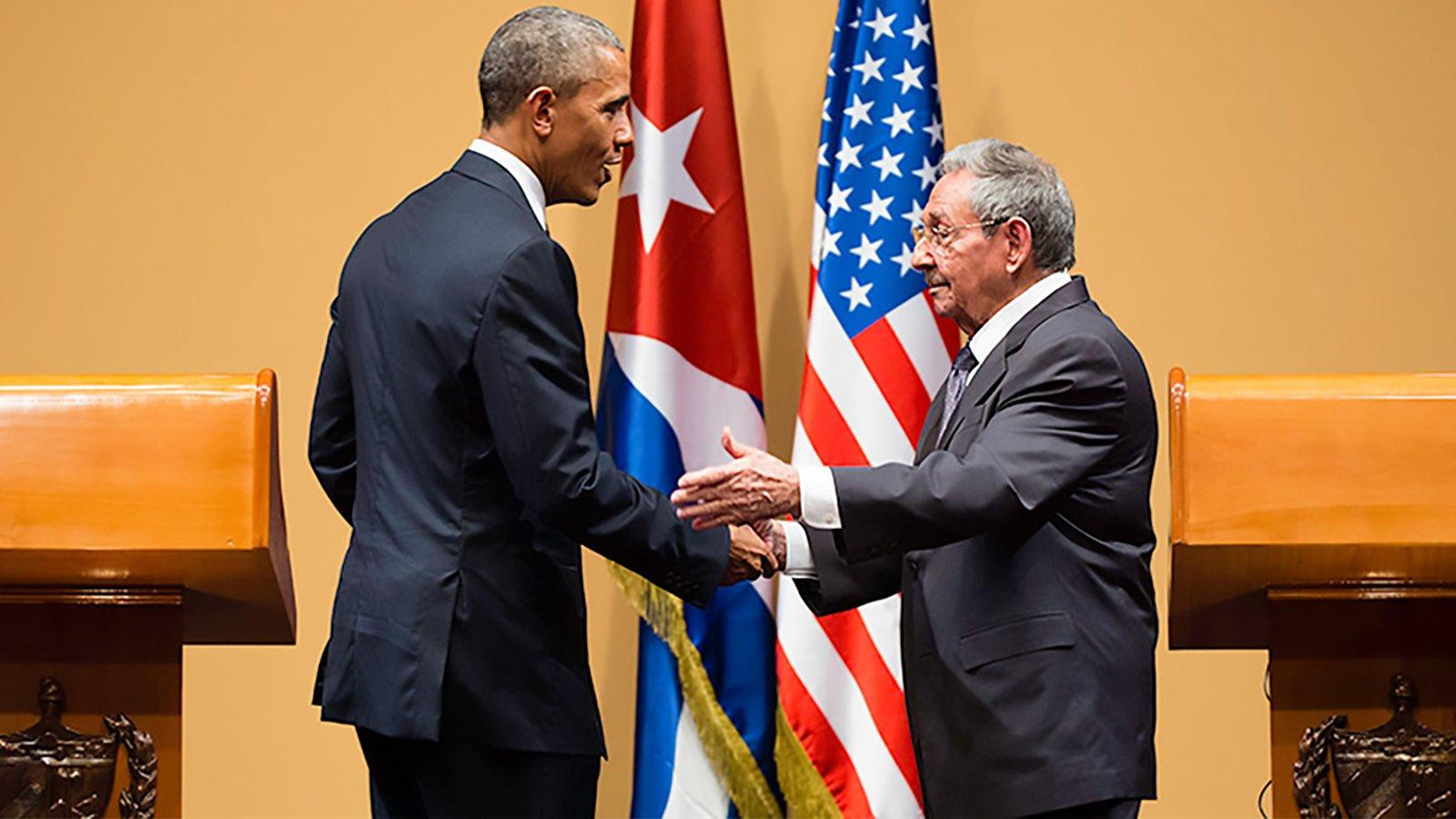
The Ongoing Cold War: Analyzing the Cuba-U.S. Stalemate
In an era marked by significant geopolitical transformations, the persistent discord between Cuba and the United States unveils a multifaceted story that extends beyond historical enmity. As remnants of Cold War ideology continue to influence modern interactions, one must ponder: why do these two nations remain entangled in a conflict that many assumed was resolved over thirty years ago? Recent events, ranging from diplomatic gestures to economic restrictions, illustrate a complex interplay driven by unresolved issues, strategic ambitions, and the lasting impact of a revolution symbolizing defiance. This article examines the origins of this enduring standoff while considering its geopolitical implications for both countries and their broader regional context.
Historical Origins: Tracing Cuba-U.S. Tensions
The ongoing friction between Cuba and the United States can be traced back to critical incidents that solidified their antagonistic relationship during the Cold War period. The 1959 Cuban Revolution was pivotal; it brought Fidel Castro to power and aligned him with Soviet interests—an alarming development for U.S. leaders who perceived it as a direct threat just 90 miles from Florida’s shores. The disastrous Bay of Pigs Invasion in 1961 not only escalated hostilities but also served as a significant embarrassment for Washington,further deepening anti-American sentiments within Cuban leadership circles. The subsequent Cuban Missile Crisis in 1962 intensified fears on both sides and reinforced U.S. efforts to isolate Cuba economically and politically.
Even decades later, this rivalry’s legacy is evident through the ongoing U.S. embargo that has significantly influenced Cuba’s economy and international relations landscape.Public opinion within America remains sharply divided; some advocate for engagement while others demand continued pressure until political reforms are enacted in Havana. Additionally, Cuba’s growing partnerships with countries like Russia and China complicate normalization efforts further still—this historical backdrop is essential for understanding current tensions as well as potential future pathways toward improved relations.
The Role of Economic Sanctions in Diplomatic Relations
The imposition of economic sanctions has dramatically altered diplomatic dynamics between Washington and Havana, perpetuating cycles of distrust reminiscent of Cold War animosities. These sanctions were primarily instituted during the 1960s; they have not only crippled Cuba’s economy but also fortified its communist regime’s narrative portraying itself as a victim of American imperialism. Consequently,the Cuban government has leveraged these sanctions to galvanize domestic support by framing them as external threats justifying its authoritarian grip on power.
This tactic obstructs any meaningful progress toward diplomatic normalization as Havana remains focused on resisting U.S influence rather than engaging constructively in negotiations aimed at compromise.
On the flip side, Washington views these sanctions as necessary leverage intended to compel reform regarding human rights practices within Cuba—a strategy that often backfires by reinforcing Havana’s resolve against perceived foreign interventionism.
Several factors exacerbate this stalemate:
- Domestic Political Climate: Internal pressures within both nations sustain hardline policies.
- Cultural Sentiment: Long-standing grievances skew perceptions among citizens hindering authentic dialog opportunities.
- International Alliances: Partnerships with other nations opposing U.S policies bolster Cuban resistance efforts.
The persistence of sanctions continues shaping foreign policy strategies on both sides while diminishing prospects for constructive diplomatic engagement—leaving them entrenched in what appears more like an outdated conflict than an active geopolitical challenge today.
Strategies Toward Reconciliation: A Path Forward
Acknowledging decades filled with tension highlights an urgent need for reconciliation initiatives between America and Cuba moving forward into uncharted territory together requires comprehensive strategies addressing historical grievances alongside shared interests.
Potential initiatives could encompass:
- Cultural Exchange Initiatives: Promoting arts programs or educational exchanges designed specifically to foster mutual understanding across borders.
- Economic Collaborations: Identifying joint ventures notably beneficial within sectors such as technology or tourism which could yield reciprocal advantages economically speaking!
- Diplomatic Dialogues: Establishing regular communication channels at governmental levels along civil society lines aimed at gradually rebuilding trust over time incrementally!
Nurturing public sentiment plays an equally vital role when creating conducive environments conducive towards reconciliation processes! This might involve:
- Cross-Media Collaborations:: Joint storytelling projects sharing news articles highlighting cultural narratives humanizing each nation involved!
| Strategy | Potential Impact |
|---|---|
| Cultural Exchange Initiatives | Fostering enhanced respect & understanding |
| Economic Collaborations | Strengthening economic ties leading towards shared prosperity! |
| Media Collaboration | < Improved narratives surrounding each nation!
Conclusion: Navigating Future RelationsUltimately ,the protracted standoff existing today serves not only reminders about complexities inherent throughout international relations but also emphasizes how deeply rooted legacies continue influencing contemporary dynamics even long after official end dates associated with conflicts like those seen during cold war periods . As we observe shifts occurring globally ,one question persists : will cooperation pave way towards thawing relationships ? Or are past legacies too entrenched ? With global community watching closely ,future outcomes hinge upon domestic politics intertwined intricately alongside international diplomacy underscoring relevance found amidst cold war-era policies still resonating today ! ADVERTISEMENT Bad Bunny Champions Puerto Rico’s Vital Role in America!In a compelling recent statement, global superstar Bad Bunny fervently highlighted the profound connection between Puerto Rico and the United... Read more         |