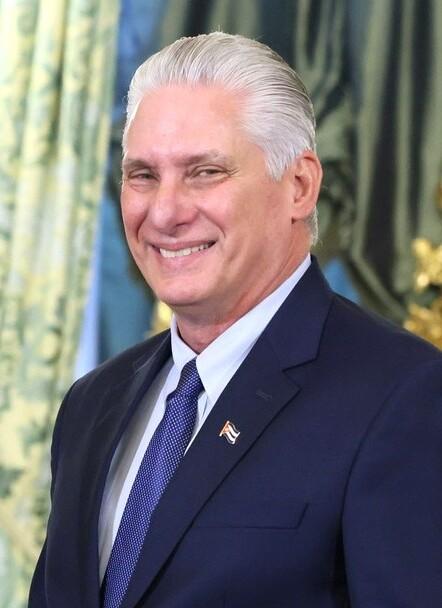
In a significant escalation of its longstanding sanctions policy, the United States government has announced new restrictions targeting Cuban President Miguel DÃaz-Canel and a number of luxury hotels linked to the Cuban regime. This latest measure, detailed in a statement by the Treasury Department, aims to pressure the Cuban government amid ongoing concerns over human rights violations and the suppression of dissent. As tensions between the U.S. and Cuba continue to mount, these sanctions reflect a broader strategy to undermine the financial foundations of the Cuban leadership, particularly in the context of luxury tourism that benefits the regime. The implications of this policy shift for U.S.-Cuba relations, as well as its impact on the Cuban economy and its citizens, remain to be seen.
US Imposes Sanctions on Cuban Leadership Amid Ongoing Economic Crisis
The recent sanctions imposed by the United States on Cuban leadership highlight a deepening strain between the two nations, sparked by Cuba’s ongoing economic crisis and claims of human rights violations. The measures specifically target President Miguel DÃaz-Canel and his administration, aiming to pressure the government into reforming its practices amid widespread dissatisfaction within the country. These sanctions reflect a continuation of U.S. foreign policy engaged in promoting democratic values while punishing those deemed responsible for the suffering of the Cuban people.
Additionally, the sanctions extend to several luxury hotels and resorts that are reportedly controlled by the Cuban regime, allegedly profiting from the hardships faced by ordinary citizens. The United States argues that these establishments serve as a means for the government to maintain its grip on power while failing to address the dire economic conditions affecting many Cubans. Key points regarding the sanctions include:
- Targeted Individuals: High-ranking officials within the government and military.
- Economic Impact: Intended to isolate the regime financially.
- International Reaction: Observers are monitoring the response from other nations.
Impact of Sanctions on Cuban Luxury Hotels and Their Role in the Regime
The imposition of sanctions by the United States on Cuban luxury hotels has significant ramifications not only for the tourism sector but also for the broader framework of the Cuban economy and its ruling regime. Luxury hotels in Cuba, often viewed as symbols of governmental control and economic disparity, play a pivotal role in generating revenue for the state. Sanctioning these establishments impacts not only the flow of foreign currency but also the livelihoods of those employed in the tourism industry, exacerbating existing economic challenges faced by the Cuban population. The sanctions aim to undermine the financial underpinnings of the regime but may inadvertently affect local workers and small businesses that rely on tourism for sustenance.
Furthermore, the targeting of ‘regime-controlled’ hotels underscores a growing sentiment among U.S. policymakers to hold the Cuban government accountable for its human rights violations. The luxury hotel sector, largely funded and operated by the state, allows the regime to preserve its grip on power while projecting an image of economic vitality. The international community has raised concerns over how these sanctions could alter the tourism landscape in Cuba. By reducing the global appeal of these hotels, sanctions may lead to an increased focus on state control and less on individual experiences, thus further challenging the Cuban government to adapt its economic strategies amid growing isolation.
Strategies for International Response to Strengthen Human Rights in Cuba
To effectively counter the deteriorating human rights situation in Cuba, a coordinated approach among international actors is crucial. Efforts should focus on leveraging diplomatic channels to press the Cuban government towards accountability. This can be achieved through:
- Enhanced Diplomatic Engagement: Nations should foster dialogue with Cuba, advocating for reforms and the protection of civil liberties.
- Multilateral Pressure: Aligning with regional partners in organizations like the OAS can increase the pressure on Cuba to adhere to human rights standards.
- Support for Civil Society: Providing resources to non-governmental organizations that promote human rights within Cuba can help amplify local voices.
In tandem with diplomatic efforts, the role of economic measures can be pivotal. Targeting specific sectors while ensuring that ordinary citizens are not adversely affected is essential. This approach could include:
- Targeting State-Owned Enterprises: Focus on sanctions that specifically affect the financial avenues of the regime without impacting basic necessities.
- Conditional Trade Agreements: Establishing trade agreements contingent upon human rights improvements can motivate the regime to take action.
- International Monitoring: Utilizing independent monitors to ensure compliance with human rights commitments can create a transparent environment for reform.
Closing Remarks
In response to ongoing human rights concerns and the repression faced by political dissidents in Cuba, the United States has taken significant steps by sanctioning the Cuban president and various luxury hotels tied to the regime. This move underscores Washington’s commitment to holding the Cuban government accountable for its actions and highlights the growing tension between the two nations. As the situation unfolds, the impact of these sanctions on both the Cuban populace and the broader political climate in the region will be closely monitored. This latest development marks a pivotal moment in U.S.-Cuban relations, raising questions about future diplomatic efforts and the potential for change within the island nation. As international reactions continue to emerge, the world watches closely how these measures will influence not only the Cuban economy but also the lives of its citizens.