
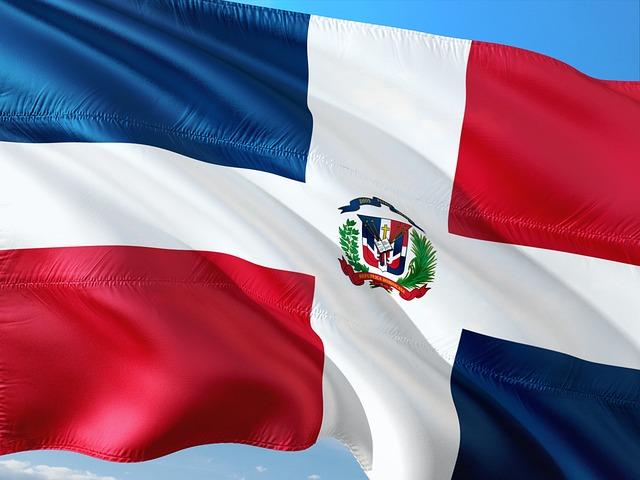
In a significant move aimed at bolstering efforts against drug trafficking, the Dominican Republic has granted the United States access to restricted areas within its territory. This unprecedented collaboration comes in response to the growing concerns over the escalating influence of drug cartels in the Caribbean region. By allowing U.S. authorities to operate in these sensitive zones, both nations seek to enhance surveillance and interdiction strategies to dismantle trafficking networks that threaten regional stability and security. As drug-related violence continues to pose challenges in the Americas, this agreement signifies a pivotal shift in the Dominican government’s approach to combating this pervasive issue.
Dominican Republic Strengthens U.S. Partnership in Drug Trafficking Battle
In a decisive move to bolster its collaboration with the United States, the Dominican Republic has granted American officials unprecedented access to previously restricted areas, marking a significant escalation in their joint efforts to combat the pervasive issue of drug trafficking. This strategic decision is part of a broader initiative to strengthen security measures and enhance monitoring capabilities within the region. The access allows for enhanced surveillance and intelligence sharing, which are crucial in addressing the multifaceted challenges posed by drug cartels operating in the Caribbean and beyond.
Key areas of cooperation are expected to include:
- Joint Operations: Increased joint military and law enforcement operations to intercept drug shipments.
- Training Programs: Implementation of specialized training programs for Dominican authorities by U.S. experts.
- Intelligence Sharing: Establishment of real-time intelligence exchange to detect and dismantle trafficking networks.
This collaborative effort aims not only to mitigate the flow of drugs but also to address the social and economic ramifications of drug trafficking on Dominican society. A concerted response involving both nations is essential for long-term success in creating a more secure environment for citizens while disrupting the operational capacities of drug syndicates.
Access to Restricted Areas Promises Enhanced Surveillance and Intelligence Sharing
The recent agreement between the Dominican Republic and the United States to grant access to restricted areas marks a pivotal evolution in the ongoing battle against drug trafficking in the Caribbean region. This collaboration is expected to facilitate enhanced surveillance operations, allowing U.S. authorities to monitor air and maritime routes traditionally used by traffickers. By leveraging cutting-edge technology and on-ground intelligence, officials aim to create a more comprehensive security network, potentially reducing the flow of illicit drugs into both domestic and international markets.
Furthermore, the commitment to intelligence sharing stands to strengthen ties not just between the U.S. and the Dominican Republic, but also among other nations affected by the drug trade. As part of this strategy, stakeholders will engage in regular briefings and joint operations, fostering a cooperative approach that transcends borders. Key aspects of the initiative include:
- Joint training programs for law enforcement agencies
- Regular updates on emerging trafficking trends
- Real-time data exchange on ongoing investigations
- Collaborative tactical operations in high-risk areas
Implications for Regional Security and Recommendations for Effective Collaboration
The recent agreement between the Dominican Republic and the United States to grant access to restricted areas for counter-narcotics operations marks a significant shift in regional security dynamics. This collaboration underscores the growing recognition of drug trafficking as a transnational threat that destabilizes not only the nations involved but also the broader Caribbean region. With the Dominican Republic serving as a key transit point for illicit drugs, the implications extend beyond immediate law enforcement benefits. Enhanced surveillance and intelligence-sharing capabilities can significantly disrupt trafficking networks, fostering a more secure environment for local populations.
To maximize the effectiveness of this partnership, several recommendations should be prioritized:
- Strengthening Intelligence Networks: Establish joint task forces to facilitate real-time information sharing between U.S. and Dominican authorities.
- Community Engagement: Implement outreach programs to educate local communities about the dangers of drug trafficking and encourage reporting suspicious activities.
- Capacity Building: Invest in training and resources for Dominican law enforcement agencies to improve their operational readiness and effectiveness.
- Regional Cooperation: Foster alliances with neighboring countries to create a united front against regional drug trade and coordinate collaborative strategies.
To Wrap It Up
In conclusion, the Dominican Republic’s decision to grant the United States access to previously restricted areas marks a significant step in the collaborative effort to combat drug trafficking in the Caribbean region. As both nations navigate the complexities of transnational crime, this partnership underscores a shared commitment to enhancing security and stability. The implications of this agreement will be closely monitored, as stakeholders evaluate its effectiveness in curbing illicit drug flows while balancing issues of sovereignty and local governance. As the fight against drug trafficking intensifies, the outcome of this cooperation could shape future strategies within the region, highlighting the ongoing challenges posed by organized crime.











