
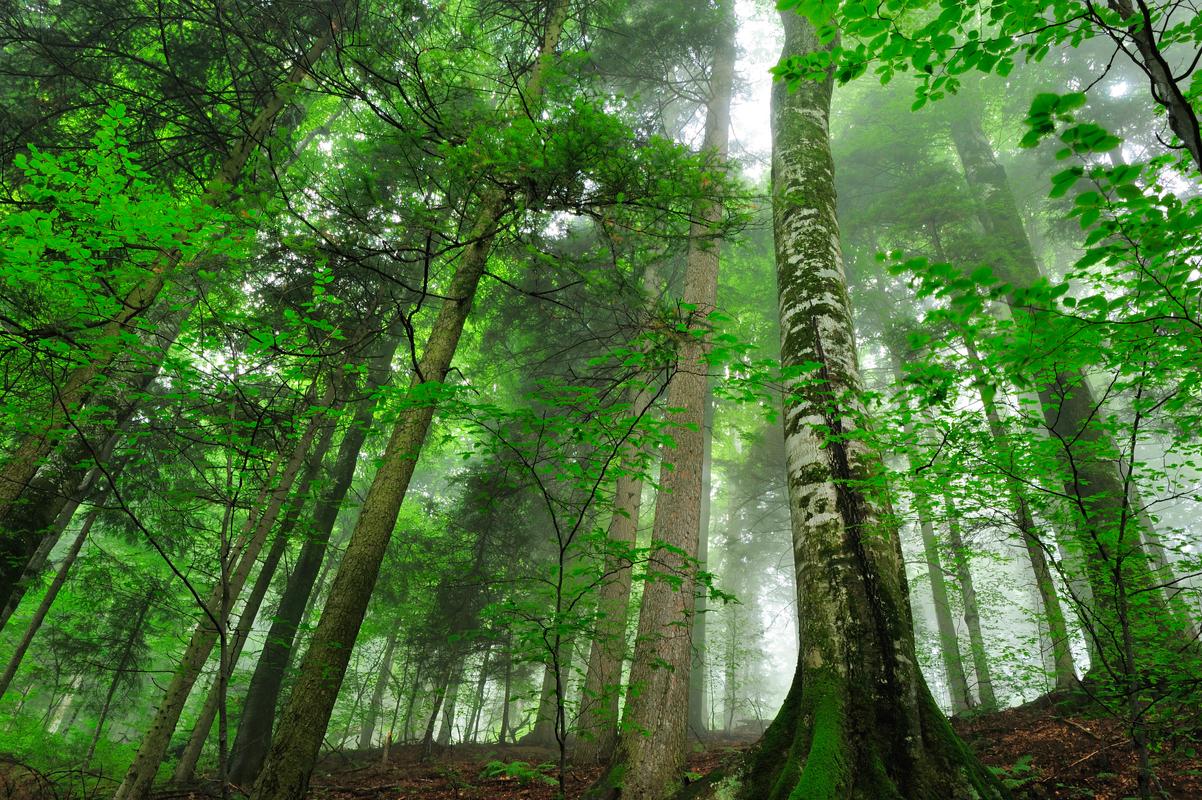
In a groundbreaking initiative, the Caribbean island nation of Dominica is transforming its natural landscapes into powerful tools for climate resilience and sustainable economic development. The World Bank is spotlighting this innovative approach in its latest report, “Forests For Us,” which details how Dominica is leveraging its rich biodiversity and forest resources to combat the impacts of climate change while fostering economic opportunities for its citizens. Amidst growing concerns over global warming and environmental degradation, Dominica’s efforts stand as a case study in how nations can harmonize ecological preservation with community prosperity. As the world grapples with the urgent need for climate action, Dominica’s strategy may offer vital lessons in sustainability, showcasing the potential of forests not only as carbon sinks but as engines of growth and resilience.
Forests as a Natural Shield: Dominica’s Strategy for Climate Adaptation
In a bold initiative to bolster climate resilience, Dominica has embraced its rich forest resources as a key component of its climate adaptation strategy. The country recognizes that forests are more than just a natural resource; they serve as a vital natural shield against the increasing threats of climate change. By investing in sustainable forest management and restoration, Dominica aims to protect its ecosystem while enhancing its capacity to absorb carbon emissions and reduce the impacts of extreme weather events. This multi-faceted approach underscores the role of forests in safeguarding biodiversity while also providing essential services such as water filtration and habitat preservation.
Dominica’s efforts are not only about environmental preservation; they are poised to drive economic development as well. The government is focusing on multiple pathways to maximize the potential of its forests, including:
- Ecotourism: Developing sustainable tourism initiatives that promote the natural beauty and biodiversity of its forests.
- Reforestation Projects: Launching community-driven projects that create jobs while restoring native trees and habitats.
- Agroforestry: Integrating trees into agricultural systems to enhance productivity and contribute to food security.
To monitor and guide these strategies, a comprehensive framework has been established, which includes the following key actions:
| Action | Description |
|---|---|
| Community Engagement | Involving local communities in forest management to leverage traditional knowledge. |
| Policy Development | Creating regulations that support sustainable land use and forest conservation efforts. |
| Research Funding | Investing in scientific studies to understand forest dynamics and climate interactions. |
Empowering Communities: Economic Opportunities through Sustainable Forestry
In Dominica, sustainable forestry is transforming the landscape of economic opportunities for local communities. This approach not only preserves the island’s rich biodiversity but also opens doors for various income-generating activities. Communities are encouraged to participate in forest management and product harvesting, which cultivates a sense of stewardship and ownership over their natural resources. Essential initiatives include:
- Eco-Tourism: Attracting visitors to experience the breathtaking beauty of Dominica’s verdant forests.
- Sustainable Harvesting: Fostering responsible practices that allow for the use of forest products without damaging ecosystems.
- Training Programs: Providing skills development for residents in forest management and conservation techniques.
This holistic strategy not only enhances the local economy but also empowers residents to take an active role in climate resilience efforts. By intertwining economic development with environmental sustainability, Dominica showcases a model for communities worldwide. The table below outlines some key sustainable forestry activities and their anticipated impacts:
| Activity | Description | Impact |
|---|---|---|
| Forest Restoration | Replanting native species to restore degraded areas. | Enhanced biodiversity and ecosystem functions. |
| Local Craft Production | Utilizing sustainable materials for traditional crafts. | Creation of income sources and cultural preservation. |
| Community Workshops | Educating locals on sustainable practices and entrepreneurship. | Increased knowledge and capacity for sustainable livelihoods. |
Collaboration for Future Success: Recommendations for Policy and Investment
The path towards sustainable development necessitates a multifaceted approach that combines strategic policy-making with targeted investments in green initiatives. Governments and stakeholders must work collaboratively to create frameworks that support the integration of climate resilience into national plans. Key recommendations include:
- Establishing public-private partnerships to mobilize resources for reforestation projects.
- Implementing incentive programs for businesses that adopt sustainable practices.
- Enhancing community engagement in forest management to ensure local needs and insights are prioritized.
- Investing in education and training programs aimed at building a skilled workforce for green jobs.
Moreover, it is imperative to prioritize funding for innovative technologies that bolster environmental conservation efforts. Governments should consider allocating a portion of their national budgets to support initiatives that emphasize biodiversity and reduce ecological footprints. A potential funding table could include:
| Funding Source | Investment Area | Expected Outcome |
|---|---|---|
| Government Grants | Reforestation | Increased Tree Coverage |
| Private Investments | Sustainable Tourism | Job Creation |
| International Aid | Climate Adaptation | Reduced Vulnerability |
The Conclusion
In conclusion, Dominica’s ambitious initiative, “Forests For Us,” exemplifies a forward-thinking approach to achieving climate resilience while fostering economic development. By leveraging the island’s rich natural resources, the program not only aims to combat the effects of climate change but also strives to create sustainable livelihoods for its citizens. With the support of the World Bank and the commitment of the local government, Dominica is setting a precedent for how nations can intertwine environmental stewardship with economic growth. As the world grapples with unprecedented climate challenges, Dominica’s model offers invaluable insights into the potential of nature-based solutions. The journey ahead is fraught with challenges, yet the path laid out by “Forests For Us” holds promise for a greener, more resilient future for Dominica and beyond.









