Introduction:
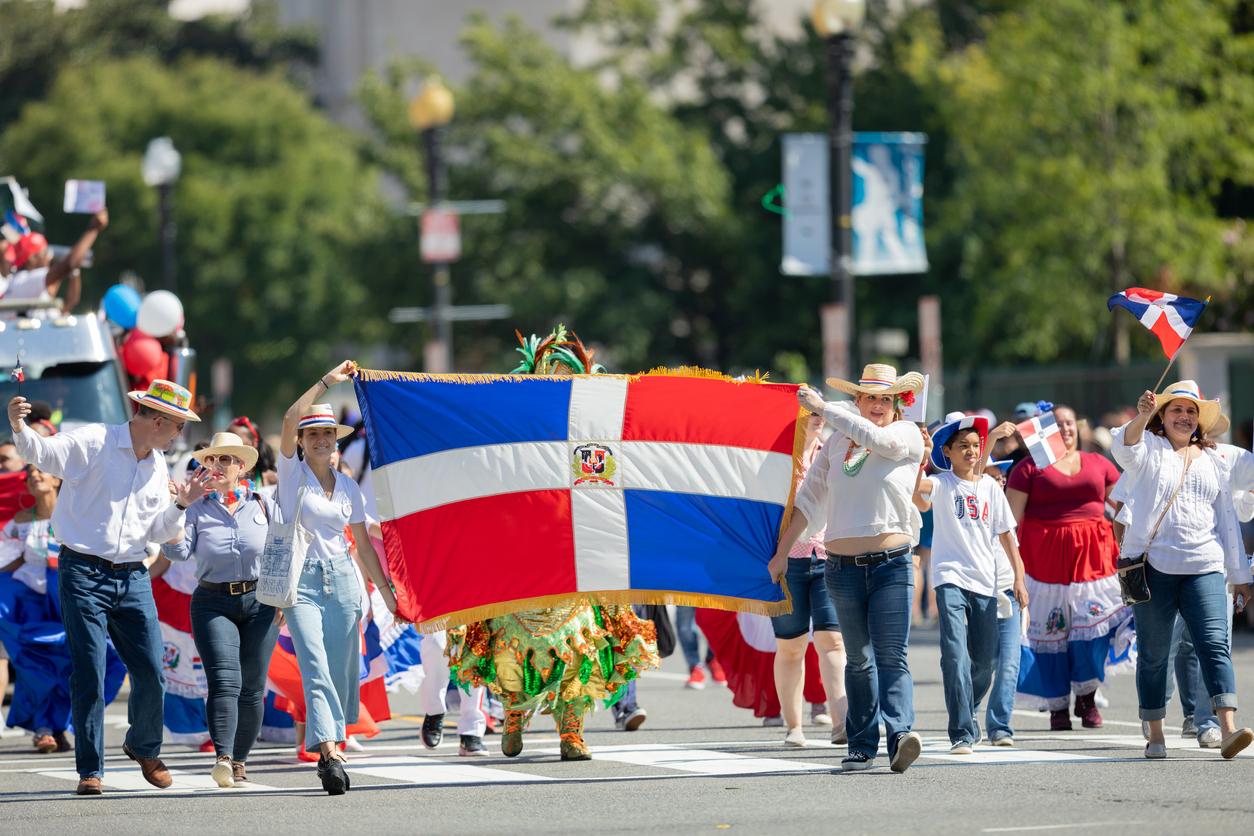
As the United States continues to shape its demographic landscape through waves of migration, the influence of Dominican immigrants stands out as a significant chapter in this ongoing narrative. With over 1.5 million Dominicans residing in the U.S., their contributions to various sectors, from culture and music to labor and entrepreneurship, are increasingly prominent. This article delves into the migration patterns, challenges, and achievements of Dominican immigrants, offering insights from migrationpolicy.org to highlight how these individuals navigate their dual identities while enriching the fabric of American society. As debates surrounding immigration policy intensify, understanding the Dominican experience not only sheds light on the complexities of the immigrant journey but also underscores the vital role this community plays in the nation’s economy and cultural mosaic.
Understanding the Journey: Factors Driving Dominican Migration to the United States
The migration of Dominicans to the United States has been fueled by several key factors that illustrate both push and pull dynamics. Economic opportunities in the U.S. attract many seeking better employment options and a higher standard of living. The persistent issues of poverty and unemployment in the Dominican Republic compel individuals and families to seek stability abroad. Moreover, the desire for educational advancement and improved healthcare contributes to this trend, as migrants hope to provide better prospects for their children. The impact of political instability and natural disasters also plays a pivotal role in this migration narrative, pushing many to leave their homeland in search of safety and security.
Social networks significantly enhance this migration process, as established Dominican communities in cities such as New York and Miami create welcoming environments for newcomers. These communities offer cultural familiarity and essential support systems, including job referrals and transitional assistance. Additionally, the family reunification policy serves as an incentive, enabling migrants to bring relatives to the U.S. and creating a cycle of continued migration. The demographics of Dominican migrants reveal a diverse population, where factors like age, education, and professional background influence the migration experience. The following table outlines the significant factors influencing Dominican migration:
| Factor | Impact |
|---|---|
| Economic Opportunities | Attracts individuals seeking better jobs |
| Poverty and Unemployment | Pushing families to migrate for stability |
| Education and Healthcare | Desire for better futures for children |
| Political Instability | Encourages emigration for safety |
| Social Networks | Facilitates easier transitions and support |
Challenges Faced by Dominican Immigrants: Navigating Life in a New Country
Dominican immigrants often find themselves confronting a series of hurdles as they strive to adapt to life in the United States. Among the most pressing challenges are language barriers, which can hinder effective communication and limit employment opportunities. Many newcomers may arrive with a basic understanding of English, but the lack of fluency can impede their ability to secure jobs, navigate public services, and integrate socially. Additionally, cultural adjustments become evident as immigrants attempt to reconcile their traditional values with the norms of American society, which can lead to conflicts or feelings of isolation.
Moreover, economic difficulties significantly impact the immigrant experience. Many Dominican newcomers work in low-wage jobs that offer little security or advancement potential, often placing them in precarious living conditions. The struggle for housing access is also notable, as affordable options in urban areas can be scarce. Despite these challenges, the Dominican community continues to foster resilience, creating support networks and cultural organizations that uplift their members. These networks often provide essential resources, such as:
- Job training programs
- Legal assistance
- Language classes
- Cultural events that celebrate heritage
Building Bridges: Effective Policies for Supporting Dominican Communities in the U.S
As the Dominican population continues to grow in the United States, implementing effective policies to support their integration and thrive in their new communities becomes increasingly crucial. First and foremost, local governments should prioritize creating inclusive programs that address the specific needs of Dominican immigrants, such as access to education, healthcare, and affordable housing. By fostering partnerships with local organizations and community leaders, policymakers can ensure that resources are tailored to the unique challenges faced by these communities. Additionally, providing language assistance services can greatly reduce barriers for non-English speakers, enabling them to participate more fully in society.
Moreover, economic initiatives designed to promote entrepreneurship among Dominican immigrants can play a vital role in community empowerment. Support systems like mentorship programs and microfinance opportunities could help aspiring business owners navigate the complexities of establishing and running a business in the U.S. Key areas for focus might include:
- Workforce development programs to enhance job readiness
- Promotion of cultural heritage businesses that attract tourism
- Investment in community centers that offer vocational training and resources
By creating a holistic approach that includes these strategies, communities can build strong economic foundations and foster a sense of belonging among Dominican immigrants.
Future Outlook
In conclusion, the story of Dominican immigrants in the United States is one of resilience, adaptability, and community. As numbers continue to grow, this vibrant population contributes significantly to the cultural, economic, and social fabric of American society. From bustling urban centers to quieter suburban neighborhoods, Dominicans are not only weaving their heritage into the broader American narrative but also striving for the American dream. As policymakers and communities work together to address the challenges and opportunities surrounding immigration, understanding the experiences of Dominican immigrants will be crucial in fostering an inclusive society that values diversity and supports the contributions of all its members. With ongoing discussions around immigration policy, the lessons learned from this community will be imperative for building a more equitable future for future generations.