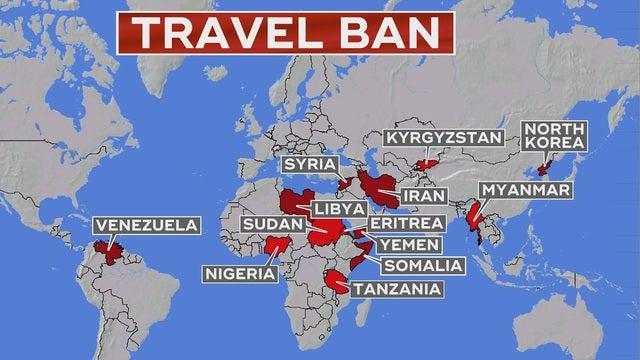
In a significant shift in its international travel policy, the United States has announced new travel restrictions targeted at four Caribbean nations known for their Citizenship by Investment (CBI) programs: Saint Lucia, Antigua and Barbuda, Dominica, and Saint Kitts and Nevis. This decision, part of a broader initiative to combat money laundering and enhance national security, has raised concerns among officials and citizens of these island nations about the potential economic impact and implications for international relations. As these countries wrestle with the ramifications of the U.S. actions, questions arise regarding the future of their CBI programs and the likely effects on tourism-a vital economic lifeline for many Caribbean economies. Through this development, the U.S. aims to tighten its immigration policies while addressing growing concerns around financial integrity and regulatory compliance within the CBI framework.
U.S. Imposes Travel Ban on CBI Nations as Diplomatic Relations Strain
In a significant escalation of diplomatic tensions, the United States has announced a travel ban affecting several nations involved in the Citizenship by Investment (CBI) program, specifically targeting St. Lucia, Antigua and Barbuda, Dominica, and St. Kitts and Nevis. The ban comes as a response to concerns over the perceived misuse of these programs, which allow foreign nationals to gain citizenship through substantial financial investment in the respective countries. U.S. authorities expressed apprehension that these programs could be facilitating illicit activities, including money laundering and increased levels of global crime. As a result, travelers from these nations will face stringent visa restrictions and increased scrutiny, impacting both tourism and investment inflows.
This travel ban has raised alarm among officials and citizens in the affected countries, who argue that the policies are not only counterproductive but could also severely hinder their economic growth. Tourism, a crucial segment of these island nations’ economies, may experience a downturn due to unfavorable perceptions of safety and stability. Observers have noted that the implications of this ban could stretch beyond immediate travel restrictions, potentially straining diplomatic relations further. The U.S. government is urging these nations to reform their CBI programs and maintain better oversight to bolster national security and foster stronger bilateral relations.
Impact of New Restrictions on Caribbean Economies and Tourism Sectors
The recent implementation of travel restrictions by the United States targeting Caribbean nations such as St. Lucia, Antigua, Dominica, and St. Kitts is poised to exert significant pressure on their economies, primarily reliant on tourism. These countries, which benefit immensely from visitors hailing from the U.S., may face a downturn as potential travelers reconsider their plans. The ripple effects are likely to be felt across various sectors, including hospitality, transportation, and local services that cater to tourists, leading to reduced revenue streams and potential job losses in these already vulnerable economies.
In response to the new restrictions, various stakeholders within these islands are voicing concerns over the long-term implications for the tourism industry. With many businesses already struggling to recover from previous downturns due to the pandemic, the additional barriers could push some to the brink of closure. Key areas of concern include:
- Decreased Visitor Numbers: A significant drop in travel from the U.S. market.
- Potential Job Losses: Increased unemployment as businesses adapt to fewer tourists.
- Investment Declines: A likely reduction in foreign investments as confidence wanes.
| Country | Tourism Revenue (% of GDP) | U.S. Visitor Percentage |
|---|---|---|
| St. Lucia | 30% | 60% |
| Antigua | 55% | 70% |
| Dominica | 14% | 50% |
| St. Kitts | 25% | 65% |
As the situation evolves, it remains critical for these nations to strategize alternative tourism markets and bolster domestic initiatives to mitigate the negative effects of these restrictions. Collaborating with regional partners and exploring new avenues for economic diversification could help in cushioning the blow and ensuring the resilience of Caribbean economies amidst this travel ban.
Recommendations for Affected Countries to Navigate the Travel Ban Challenges
The recent travel ban targeting several Caribbean nations, including St. Lucia, Antigua, Dominica, and St. Kitts, poses significant challenges for these countries in terms of tourism, trade, and international relations. To effectively navigate these unprecedented obstacles, affected nations should consider adopting a multipronged strategy aimed at strengthening diplomatic ties, enhancing local economies, and diversifying their tourism markets. Key recommendations include:
- Engaging Diplomatic Channels: Countries should establish high-level dialogue with U.S. counterparts to clarify concerns that led to the travel ban and seek pathways for resolution.
- Promoting Regional Cooperation: Collaboration with other nations impacted by the travel ban can lead to collective lobbying efforts and a united front to address the issue.
- Diversifying Tourism Markets: By marketing their destinations to non-U.S. tourists, these countries can offset some of the economic losses attributed to the ban.
Moreover, enhancing local economies through investment in infrastructure and technology could build resilience against future disruptions. Governments should aim to:
- Explore Alternative Economic Opportunities: Encouraging sectors such as agriculture and renewable energy can decrease reliance on tourism.
- Invest in Digital Infrastructure: Promoting remote work and digital services facilitates economic growth and attracts international businesses.
- Support Small Businesses: Providing grants or low-interest loans can empower local entrepreneurship and stimulate job creation.
To Conclude
In conclusion, the recently announced travel restrictions imposed by the U.S. on the Caribbean nations of St. Lucia, Antigua and Barbuda, Dominica, and St. Kitts and Nevis mark a significant shift in international relations and travel policies within the region. The measures, aimed at addressing concerns surrounding the Citizenship by Investment (CBI) programs in these countries, could have far-reaching implications for tourism and economic stability in the affected nations. As the situation develops, stakeholders, including government officials and tourism operators, are urged to brace for potential challenges ahead and seek dialogues that could pave the way for resolution. The broader impact on the Caribbean’s economic landscape and future CBI initiatives remains to be seen, as these nations navigate the complexities of their relationship with one of their largest travel markets. For now, residents and travelers alike will be watching closely as this story unfolds.