
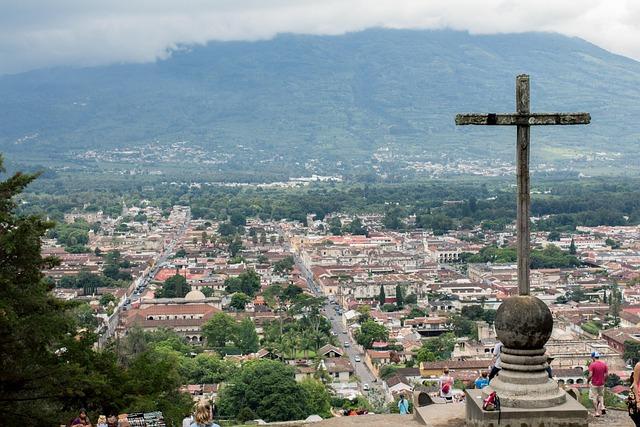
In a recent statement, the Organisation of Eastern Caribbean States (OECS) Commission has voiced its strong support for member countries Antigua and Dominica in light of the recent imposition of US visa restrictions. This development has sparked concerns among the affected nations, as they navigate the implications of these measures on their citizens and diplomatic relations. The OECS Commission’s solidarity underscores the importance of regional unity in addressing challenges posed by external policies, particularly those that impact travel and trade. As Antigua and Dominica seek redress and clarification from US authorities, the OECS’s backing emphasizes a collective approach to ensuring the rights and well-being of its member states.
OECS Commission Voices Support for Antigua and Dominica Amid US Visa Challenges
In a recent statement, the OECS Commission has voiced its unwavering support for Antigua and Dominica in light of the recent challenges faced with US visa restrictions. Addressing the implications of these obstacles, the Commission emphasized the significance of visa facilitation as a pivotal element in fostering economic connectivity and resilience among member states. The restrictions have raised concerns about hampering tourism, trade, and overall diplomatic relations, prompting the OECS to call for collaborative efforts to tackle this pressing issue.
Among the key points highlighted by the OECS Commission are:
- Reinforcement of regional unity: Encouraging member states to stand together and advocate for equitable treatment in international travel.
- Promotion of intra-regional travel: Strengthening the ties within the Caribbean to mitigate the effects of external visa policies.
- Dialogue with US authorities: Urging continuous communication with US officials to address the concerns of affected nations.
| Country | Visa Challenge Impact |
|---|---|
| Antigua | Reduced Tourism |
| Dominica | Decreased Business Opportunities |
Analysis of the Impacts of US Visa Restrictions on Caribbean Nation Relations
The recent US visa restrictions imposed on Antigua and Dominica have triggered significant concerns among Caribbean nations, particularly within the Organization of Eastern Caribbean States (OECS). These restrictions not only affect the mobility of individuals from these countries but also strain bilateral relations in terms of social, economic, and cultural exchanges. Regional leaders are increasingly worried that such measures could hinder economic progress by limiting access to opportunities abroad and affecting tourism, which is a critical sector for many Caribbean economies. The impact of migration restrictions on smaller nations can lead to a sense of isolation and hinder collaborative efforts in addressing regional issues.
In response to this situation, the OECS has expressed solidarity with Antigua and Dominica, highlighting the importance of connectivity within the Caribbean community. The commission’s stance reflects broader concerns regarding the implications of US policy for small states, emphasizing the need for diplomatic engagement. Additionally, stakeholders discussed potential strategies to mitigate the adverse effects of these restrictions, including:
- Strengthening regional partnerships to enhance cooperation and support.
- Promoting intra-regional travel to boost local economies.
- Advocating for a united front in negotiations with larger powers.
To visualize the economic implications of these visa restrictions, the following table summarizes key points:
| Country | Impact of Visa Restrictions |
|---|---|
| Antigua | Reduced tourism and investment opportunities. |
| Dominica | Limited access to educational and medical resources abroad. |
Through these concerted efforts, Caribbean nations hope to navigate the challenges posed by external pressures while fostering resilience and solidarity within the region.
Strategic Recommendations for Strengthening OECS Resilience in Face of External Pressures
In light of the recent challenges faced by Antigua and Dominica regarding US visa restrictions, it is crucial for the Organization of Eastern Caribbean States (OECS) to adopt a multi-faceted approach that enhances resilience against external pressures. Key strategies should include:
- Strengthening Regional Cooperation: Increased collaboration among member states can lead to unified responses and shared resources to mitigate the impact of external travel restrictions.
- Diversifying Economic Dependence: Reducing reliance on a single market by exploring new economic partnerships and expanding into emerging markets can provide alternative avenues for growth.
- Promoting Diplomatic Engagement: Engaging with larger countries to foster dialogue and address visa issues should be a priority, ensuring that the voices of OECS nations are heard and considered.
- Enhancing Internal Capacities: Investing in local tourism and industries can bolster economies by providing jobs and opportunities independent of foreign markets.
Additionally, investing in technology and innovation can prove invaluable in adapting to changing global circumstances. The implementation of tools such as:
| Innovation Area | Potential Benefits |
|---|---|
| Digital Tourism Platforms | Attracts global tourists through virtual experiences. |
| Telemedicine Services | Improves healthcare access, enhancing quality of life. |
| Renewable Energy Technologies | Reduces energy costs and increases self-sufficiency. |
By prioritizing these areas, the OECS can build a more resilient framework that not only counters current challenges but also positions member states for sustained growth in an increasingly interconnected world.
The Conclusion
In conclusion, the OECS Commission’s expression of solidarity with Antigua and Dominica underscores the broader implications of US visa restrictions on smaller nations within the Caribbean. As these countries navigate the challenges posed by such measures, the support from regional organizations highlights the significance of unity in addressing shared concerns. Stakeholders will be closely monitoring how these developments unfold and the potential impact on diplomatic relations and travel within the region. As the conversation progresses, it remains crucial for governments and leaders to engage in dialogue that fosters collaboration and advocates for fair treatment on the international stage. The situation not only calls for a vigilant response but also a renewed commitment to protect the rights and interests of Caribbean nations in an increasingly interconnected world.











