
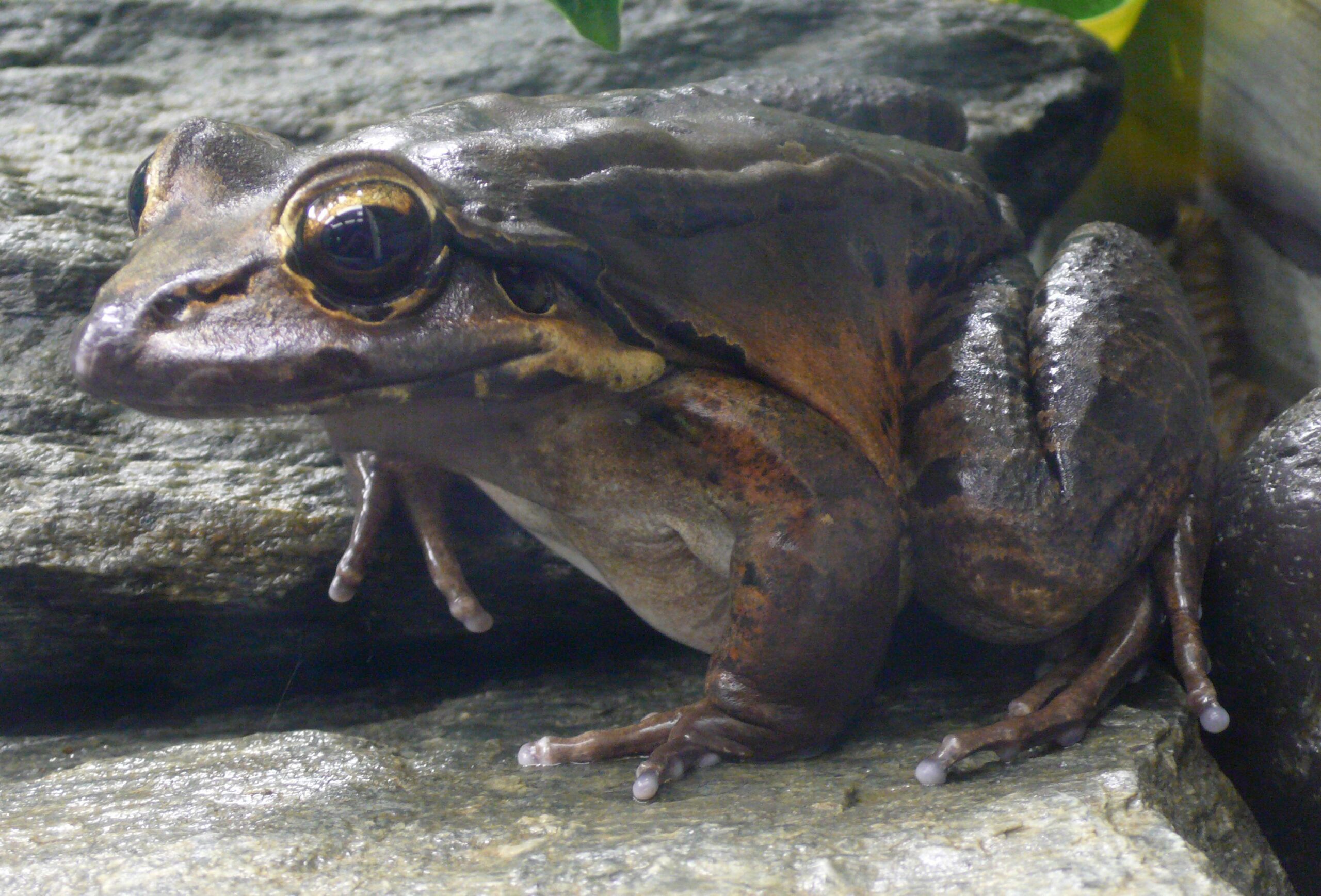
Glimmer of Hope for Mountain Chicken Frog, Once Celebrated as a National Dish
In a remarkable turn of events, conservationists are reporting a resurgence of the mountain chicken frog, a species once synonymous with the culinary identity of Dominica and Montserrat. Revered for its tender meat and rich flavor, the frog was once a staple on local menus and a symbol of regional cuisine. However, overexploitation and habitat loss led to its steep decline, pushing this unique amphibian to the brink of extinction. Now, with new conservation efforts underway and promising signs of population recovery, there is renewed hope for the mountain chicken frog’s survival. As researchers, local communities, and environmental organizations come together to promote sustainable practices, the saga of this remarkable species also highlights broader issues of biodiversity and the delicate balance between tradition and conservation.
Revival Efforts Underway for Endangered Mountain Chicken Frog
Conservationists are rallying to protect the mountain chicken frog, a critically endangered species that once graced the tables of locals as a culinary delicacy. Following a steep decline due to habitat loss and the devastating effects of a chytrid fungus, this unique amphibian has been pushed to the brink of extinction. Current revival efforts focus on habitat restoration, breeding programs, and public awareness campaigns aimed at shifting perceptions surrounding this remarkable species. Experts emphasize the importance of a collaborative approach, where local communities engage in conservation practices that emphasize both ecological balance and cultural heritage.
Recent initiatives also include the establishment of a ‘mountain chicken frog sanctuary’, designed to provide a safe breeding environment while educating the public on the species’ significance. The sanctuary aims to reintroduce healthy frog populations into their natural habitats once they have been sufficiently bred in captivity. As part of the effort, the local government is implementing policy changes that protect the frogs’ remaining environments, while researchers are working tirelessly to devise effective treatments against the chytrid fungus. The tide of hope is turning as these combined efforts show promising signs of reversing the trend of this extraordinary amphibian’s decline.
Ecological Significance and Cultural Heritage of the Mountain Chicken
The Mountain Chicken frog, native to the Caribbean islands of Dominica and Montserrat, holds substantial ecological significance as a keystone species in its habitat. As both predator and prey, this amphibian plays a crucial role in controlling insect populations, thus maintaining the ecological balance within its ecosystem. Its decline has ripple effects that can lead to increased insect populations and subsequent impacts on plant life and soil health. The Mountain Chicken frog’s presence is indicative of a healthy and thriving rainforest ecosystem, further emphasizing its importance in biodiversity.
On the cultural front, the Mountain Chicken has woven itself into the fabric of local heritage, once celebrated as a national dish in Dominica. This culinary tradition not only reflects the island’s resourcefulness but also highlights the interdependence of local culture and environmental health. As communities transition from consuming this dwindling species to alternative sustainable practices, it brings forth a renewed dialogue about heritage, conservation, and the future of biodiversity. The resilience of both the Mountain Chicken frog and its advocates symbolizes hope, where culinary practices can evolve simultaneously with ecological preservation.
Strategies for Sustainable Conservation and Culinary Use
As we navigate the complexities of conservation, innovative strategies must integrate traditional culinary practices to promote sustainable use of endangered species like the mountain chicken frog. Initiatives can include:
- Education and Awareness: Engaging local communities and chefs in educational programs highlighting the ecological importance of the mountain chicken frog can foster a culture of conservation.
- Alternative Proteins: Encouraging the consumption of sustainably farmed alternatives can reduce pressure on wild populations, promoting biodiversity.
- Culinary Festivals: Organizing events that celebrate local ingredients while excluding endangered species can highlight cultural heritage without compromising wildlife.
Furthermore, collaborative efforts between conservationists, local communities, and culinary artists can enhance sustainable practices. Strategies may include:
- Community-Driven Initiatives: Empowering local stakeholders in conservation efforts can help create economic incentives, ensuring that communities see tangible benefits from preserving local wildlife.
- Research and Development: Investing in the research of sustainable farming practices for alternatives to the mountain chicken frog can also help dissuade overharvesting.
- Policy Advocacy: Implementing policies that support sustainable culinary practices and protect habitats is essential for long-term success.
In Conclusion
In conclusion, the mountain chicken frog, once a culinary staple and cultural emblem for the people of Dominica and Montserrat, is perched on the edge of a remarkable comeback. Following years of decline due to habitat loss and a devastating chytrid fungus outbreak, conservation efforts have begun to yield promising results. These initiatives, underscored by collaborative efforts among local communities, government agencies, and international conservation organizations, highlight the importance of biodiversity and the need for sustainable practices.
As scientists continue to monitor the population and habitat conditions, the road ahead remains challenging but filled with potential. The mountain chicken frog’s revival serves not only as a symbol of resilience but also as a crucial reminder of the interconnectedness of ecosystems and human culture. With continued commitment and support, this unique species may once again leap into the hearts and plates of future generations, reminding us of the need to cherish and protect our natural heritage. The journey of the mountain chicken frog stands as a testament to the power of hope, collaboration, and the importance of safeguarding our planet’s delicate balance.











