
OP-ED: Eliminating Cervical Cancer to Save 30,000 Lives Every Year in Latin America and the Caribbean
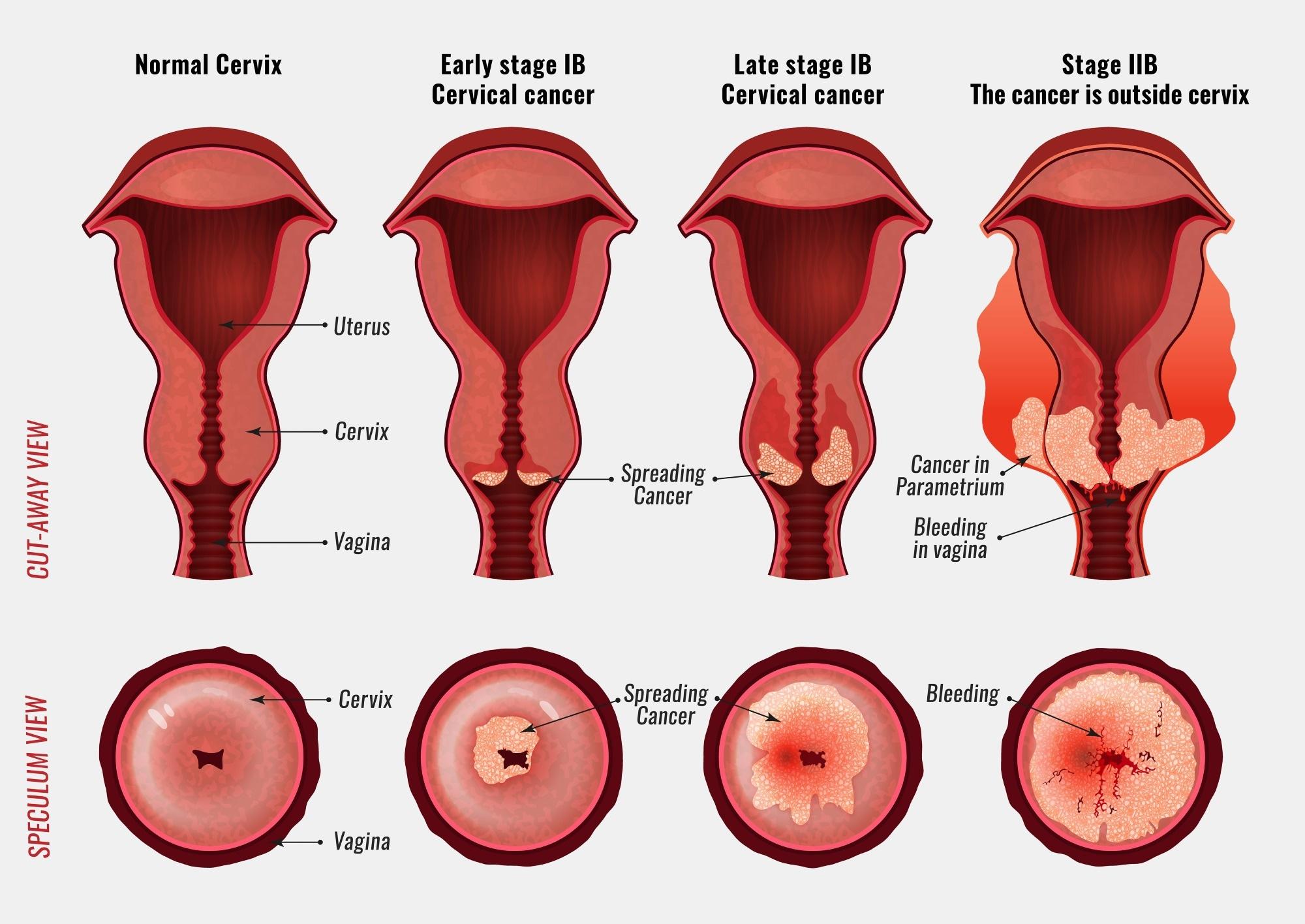
In a region where healthcare disparities continue to pose significant challenges, the fight against cervical cancer has emerged as a pivotal public health priority in Latin America and the Caribbean. With an estimated 30,000 lives lost each year to this preventable disease, urgent action is needed to enact meaningful change. As we delve into the systemic barriers and innovative strategies that could lead to the eradication of cervical cancer in these communities, we confront not just the statistics but the personal stories behind them. By addressing key issues such as vaccination, screening, and access to treatment, we can pave the way for a future where cervical cancer is no longer a leading cause of death for women in this vibrant region. This op-ed aims to illuminate the path forward, calling on stakeholders, healthcare leaders, and policymakers to prioritize cervical cancer elimination as both an achievable goal and a moral imperative.
Eliminating Cervical Cancer as a Public Health Priority in Latin America and the Caribbean
Cervical cancer remains a significant public health issue in Latin America and the Caribbean, claiming approximately 30,000 lives each year. To combat this preventable disease, concerted efforts must focus on comprehensive strategies that include widespread education, vaccination campaigns, and improved access to screening. Key initiatives that can drive change include:
- HPV Vaccination: Increasing availability and uptake of the HPV vaccine among young girls to prevent the onset of cervical cancer.
- Screening Programs: Implementing regular cervical screening initiatives to detect pre-cancerous changes early, enabling timely treatment.
- Public Awareness Campaigns: Raising awareness on the importance of prevention and early detection through community outreach and information dissemination.
To measure progress towards eliminating cervical cancer, health authorities should prioritize data collection and analysis. Establishing an effective tracking system can help identify areas of concern, allowing policymakers to allocate resources strategically. A proposed framework for monitoring may include:
| Indicator | Target | Current Status |
|---|---|---|
| HPV Vaccination Coverage | 90% of girls by 15 years | 65% coverage |
| Screening Rate | 70% of women aged 30-49 | 50% screening participation |
| Public Awareness | Increase knowledge by 50% | 30% awareness level |
Strategies for Increasing Access to Screening and Vaccination Against HPV
To combat the threat of cervical cancer, increasing access to screening and vaccination against HPV is paramount. Strategies to enhance availability include:
- Public Education Campaigns: Raising awareness about the importance of HPV vaccination and regular screenings through community outreach programs can significantly increase participation rates.
- Mobile Health Clinics: Deploying mobile units to reach rural and underserved populations ensures that all women have access to necessary healthcare services.
- Partnerships with Local Organizations: Collaborating with NGOs and health organizations can amplify outreach and resources, creating a more robust health infrastructure.
Moreover, incentives for healthcare providers and patients can lead to improved outcomes. Implementing strategies such as:
- Subsidized Vaccination Programs: Financial assistance for low-income families encourages vaccination uptake.
- Training for Healthcare Workers: Equipping professionals with the latest information about HPV can enhance the quality of consultation during screenings.
- Community-Based Screening Events: Organizing local events that offer free or low-cost screenings contributes to higher participation rates among women.
Collaborative Efforts Needed to Drive Regional Policy Changes and Investment in Women’s Health
Addressing the urgent need for reform in women’s health policies requires a concerted effort from various stakeholders. Governments, civil society organizations, and health professionals must come together to create a robust framework that prioritizes women’s health issues, particularly cervical cancer prevention. This collective approach should include:
- Increased funding: Allocating resources towards cervical cancer screening, vaccination programs, and awareness campaigns.
- Policy advocacy: Lobbying for legislative measures that ensure access to preventive health services for all women.
- Community engagement: Mobilizing local communities to raise awareness and promote participation in health initiatives.
The importance of regional partnerships cannot be overstated. Collaborative initiatives among countries in Latin America and the Caribbean can help share best practices and successful strategies for combating cervical cancer. By pooling resources and expertise, governments can enhance their capacity to implement life-saving interventions. A proposed joint task force could focus on:
| Key Areas | Goals |
|---|---|
| Cancer Screening | Achieve 70% coverage for cervical screening by 2030 |
| Vaccination Programs | Ensure 90% of girls are vaccinated by 15 years old |
| Public Awareness | Raise awareness in 80% of communities about cervical health |
In Retrospect
In conclusion, the call to eliminate cervical cancer in Latin America and the Caribbean is a critical imperative that highlights not only a public health challenge but also a profound opportunity for societal advancement. By implementing targeted vaccination programs, enhancing screening accessibility, and fostering education about prevention, we can take significant strides toward saving the estimated 30,000 lives lost annually to this unjust disease. The collective efforts of governments, health organizations, and communities will be essential in turning this vision into reality. As we move forward, the commitment to eradicate cervical cancer must remain a priority, ensuring that future generations enjoy a healthier, cancer-free life across the region. The time to act is now.











