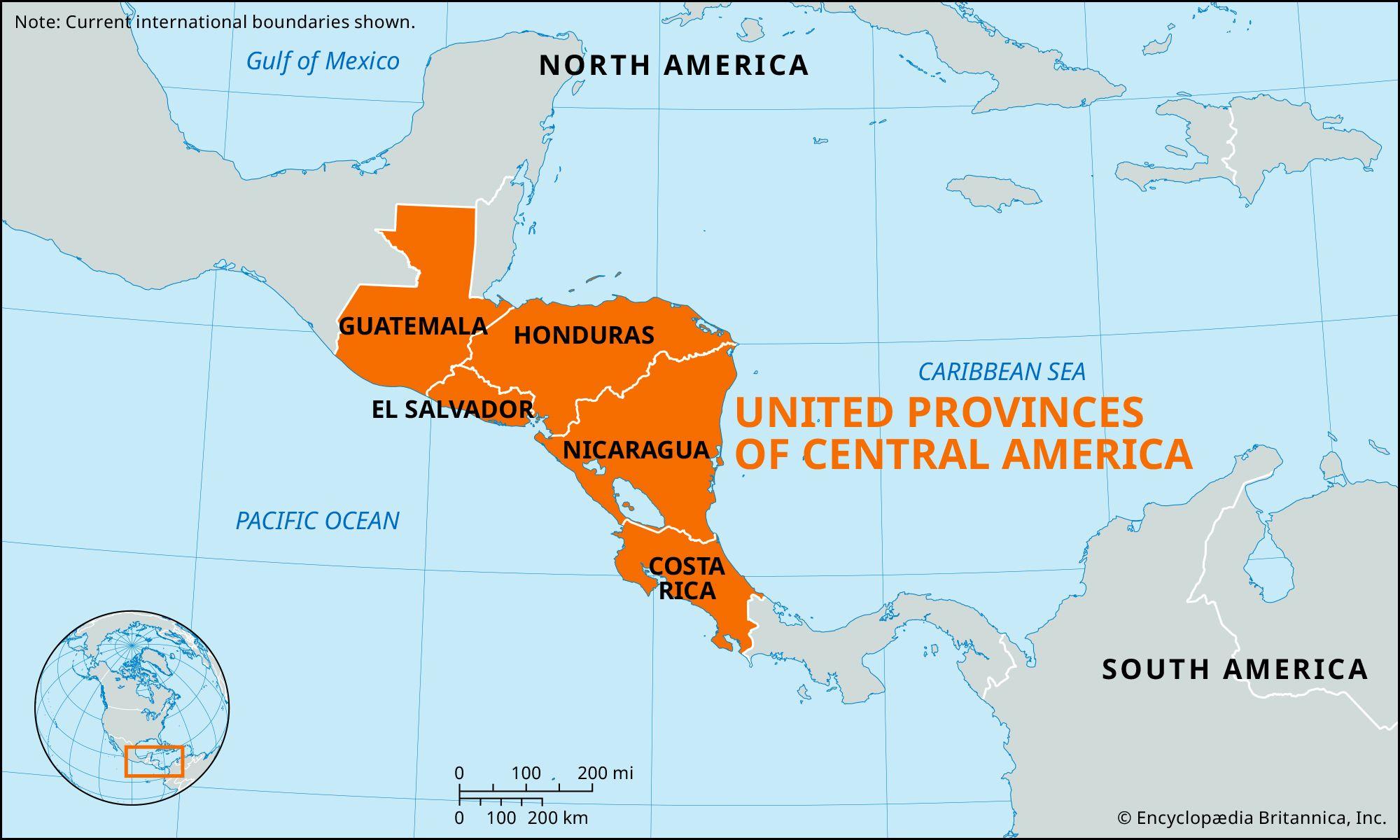
In a significant move towards enhancing labor standards and promoting sustainable employment, Central American nations along with the Dominican Republic have reaffirmed their commitment to decent work and modern employment practices. This renewed focus comes amidst ongoing efforts to address the evolving challenges of the workforce landscape in the region, including issues of informality, unemployment, and labor rights. As representatives from these nations gathered to discuss strategic initiatives and share best practices, their collective resolve underscores the importance of fostering a work environment that not only supports economic growth but also prioritizes the well-being and dignity of workers. With these commitments, the Central American countries and the Dominican Republic aim to pave the way for a more equitable and prosperous future for all citizens.
Central America and Dominican Republic Unite to Promote Standards for Decent Work
The recent collaborative efforts between Central American nations and the Dominican Republic underscore a renewed dedication to elevating labor standards across the region. This initiative focuses on fostering conditions that promote decent work, aiming to improve not just the quality of jobs but also the overall well-being of workers. By establishing a framework for enhanced labor rights, these countries are taking strategic steps to combat employment challenges, ensuring job security and fair wages for their populations. Key objectives of this collaboration include:
- Strengthening labor regulations to ensure compliance and protection for workers.
- Enhancing social dialogue among employers, governments, and trade unions.
- Promoting gender equality and non-discrimination in the workplace.
- Encouraging sustainable practices to create greener jobs and promote a healthy environment.
Moreover, the initiative aims to bridge gaps in employment equity by implementing educational programs that equip the workforce with necessary skills. By prioritizing the development of modern employment strategies, the leaders hope to adapt to changing market needs and global standards. Recent discussions have highlighted the significance of:
| Focus Area | Expected Outcome |
|---|---|
| Job Creation Programs | Increase employment opportunities for vulnerable populations. |
| Worker Training Initiatives | Enhance skills to meet market demands and improve employability. |
| Collaboration with NGOs | Bolster support for marginalized community members in job readiness. |
This dynamic partnership sets the stage for a more resilient and equitable workforce across Central America and the Dominican Republic, ensuring that every individual has access to dignified and fulfilling work opportunities.
Addressing Challenges in Labor Market: Insights from Regional Leaders
In a recent gathering, regional leaders from Central America and the Dominican Republic united to confront the pressing issues faced in the labor market. Their discussions highlighted key barriers that continue to hinder employment opportunities, particularly for marginalized groups. Top concerns were identified as:
- Informal Employment: A significant portion of the workforce operates without formal contracts, leading to job insecurity and a lack of access to benefits.
- Skills Mismatch: Educational institutions often fail to align their offerings with labor market demands, leaving many graduates unprepared for available jobs.
- Poverty and Inequality: Economic disparities contribute to unequal access to employment and career advancement, effectively marginalizing entire communities.
To address these challenges, leaders emphasized the importance of collaboration across sectors, advocating for innovative solutions that can pave the way for sustainable employment. They proposed the establishment of public-private partnerships aimed at enhancing vocational training programs and creating job opportunities that meet the evolving needs of the marketplace. Below is a summary of proposed initiatives:
| Initiative | Description |
|---|---|
| Skills Development Programs | Partnerships with local businesses to offer training aligned with market demands. |
| Formalization of Informal Work | Incentives for businesses to transition informal workers into formal contracts. |
| Equity in Employment | Targeted programs that focus on aiding marginalized communities to access job opportunities. |
Strategic Recommendations for Enhancing Employment Opportunities in Central America
To boost employment opportunities across Central America and the Dominican Republic, a multifaceted approach is essential. Investment in education and vocational training should be prioritized, focusing on skills that align with labor market demands. This connection will not only enhance employability but also foster sustainable economic growth. Key actions include:
- Partnerships with local businesses to design training programs.
- Incentives for companies providing apprenticeships and internships.
- Promotion of STEM education to prepare youth for future job markets.
Another critical strategy involves encouraging entrepreneurship and innovation, particularly among youth and women. By creating an ecosystem that supports startups and small businesses, governments can stimulate job creation and enhance local economies. Measures to consider include:
- Access to micro-financing options for aspiring entrepreneurs.
- Development of business incubators and mentoring programs.
- Streamlining regulatory processes to make business registration easier.
Closing Remarks
In conclusion, the reaffirmation of commitment to decent work and modern employment by Central America and the Dominican Republic marks a significant step forward in addressing the challenges of labor rights and job quality across the region. By prioritizing policies that promote fair wages, improved working conditions, and sustainable employment, these nations aim to foster economic growth that benefits all citizens. As the implications of this commitment unfold, the focus on collaboration and shared goals will be crucial in achieving lasting change. Stakeholders from various sectors must now unite to ensure that these principles are translated into tangible outcomes, paving the way for a more equitable future in Central America and the Dominican Republic.