
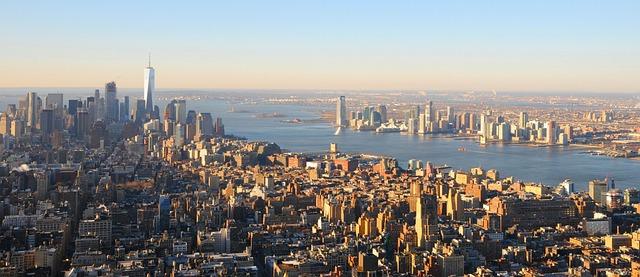
In recent years, the Dominican Republic has emerged as a premier travel destination for Americans seeking sun-soaked beaches, vibrant culture, and warm hospitality. As tourism continues to expand in this Caribbean paradise, understanding the origins of its visitors becomes increasingly important. This article explores which U.S. cities send the most tourists to the Dominican Republic, highlighting the geographical trends that shape travel patterns and examining the factors that draw travelers from these urban centers. From bustling metropolises to quieter enclaves, we delve into the demographics of American tourists and unveil the cities that contribute significantly to the tourism boom in this tropical haven. Join us as we unpack the data and reveal how these urban hubs play a pivotal role in shaping the Dominican Republic’s tourism landscape.
Top U.S. Cities Contributing to Dominican Republic Tourism Trends
The Dominican Republic continues to be a beloved destination for travelers from the United States, with significant numbers flocking from a select group of cities. Among these, New York City leads the charge, thanks to its vibrant Dominican community and direct flight options. Other notable contributors include Miami, which serves as a gateway for many, and Boston, where a rich cultural connection to the island enhances its allure. Cities such as Atlanta and Philadelphia also play crucial roles in driving tourist traffic, facilitating cultural exchanges and vacations that highlight the nation’s stunning beaches and rich heritage.
A recent analysis shows a notable trend in travel patterns, with specific metropolitan areas showing increased interest in the Dominican Republic. Key data points include:
| City | Estimated Annual Visitors | Flight Availability |
|---|---|---|
| New York City | 1.2 million | Daily Flights |
| Miami | 750,000 | Multiple Daily Flights |
| Boston | 500,000 | Frequent Flights |
| Atlanta | 450,000 | Weekly Flights |
| Philadelphia | 400,000 | Consistent Flights |
As tourism trends evolve, these U.S. cities not only provide essential air links but also foster cultural ties, thus shaping the travel landscape to the Caribbean paradise. Residents from these urban centers revel in not just the vacation opportunities but also the chance to connect with their roots, drawn by the Dominican Republic’s blend of picturesque landscapes, culinary delights, and warm hospitality.
Key Factors Driving Travel from Major Urban Centers
The travel industry is evolving, influenced by a variety of factors that encourage residents of major urban centers to vacation in destinations like the Dominican Republic. One significant driving force is the affordability of travel options from these metropolitan areas. Many airlines offer competitive fares, particularly during off-peak seasons, making tropical getaways more financially accessible. Additionally, the rise of all-inclusive resort packages appeals to travelers seeking convenience and value, allowing for a seamless vacation experience that minimizes unexpected expenses.
Moreover, the allure of the Dominican Republic’s vibrant culture and stunning landscapes cannot be overstated. With its picturesque beaches, rich history, and diverse activities, the country provides an enticing escape from the hustle and bustle of city life. Urban dwellers are also influenced by social media and travel blogs showcasing breathtaking visuals and personal experiences, which ignite wanderlust among potential tourists. This combination of cost-effectiveness and captivating offerings positions the Dominican Republic as a top-choice destination, particularly for travelers from cities such as New York, Miami, and Los Angeles.
Strategic Recommendations for Boosting Tourist Engagement
To enhance tourist engagement, destinations can implement tailored strategies that resonate with the interests and preferences of travelers. First and foremost, local experiences should be emphasized, allowing visitors to immerse themselves in the culture. Initiatives such as food tours showcasing traditional Dominican cuisine, art workshops with local artisans, and guided nature hikes can create memorable interactions. Additionally, leveraging digital marketing platforms to highlight these experiences can capture the attention of potential tourists. Collaborations with social media influencers who have a strong following in cities noted for outbound travel to the Dominican Republic can amplify reach and engagement.
Furthermore, investing in customer relationship management (CRM) tools can streamline communication with tourists before, during, and after their visits. Regular newsletters featuring exclusive offers, upcoming events, and personalized itinerary suggestions can enhance the visitor experience. Establishing a feedback loop through surveys and testimonials will guide continuous improvement and foster a sense of community among tourists. Implementing loyalty programs that reward repeat visitors with incentives such as discounts or exclusive access to events could further strengthen engagement and encourage word-of-mouth promotion.
The Way Forward
In conclusion, the data reveals a fascinating landscape of American tourism to the Dominican Republic, highlighting key cities that serve as major gateways for travelers seeking the Caribbean’s sun-soaked beaches and vibrant culture. With Miami, New York, and Orlando consistently leading the pack, it is clear that these urban centers play a pivotal role in shaping travel patterns to this popular destination. As the Dominican Republic continues to enhance its appeal through improved infrastructure and diverse attractions, it is likely that we will see shifts in tourist origin cities in the future. This dynamic interplay between U.S. cities and Dominican tourism not only underscores economic ties but also reflects the enduring allure of one of the Caribbean’s most cherished locales. As travel trends evolve, only time will tell how these cities adapt to the changing tides of international tourism. Stay tuned for more insights and updates on the travel industry’s developments in the region.









