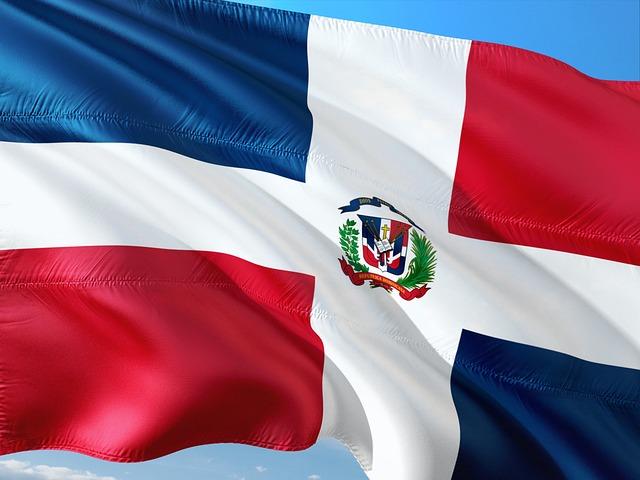
In a significant development in the fight against drug trafficking in the Caribbean region, the Dominican Republic has granted the United States permission to utilize its territory for a limited period. This strategic move comes amid growing concerns over the escalating drug trade that has increasingly affected Central American and Caribbean nations. The agreement, announced by government officials, aims to bolster collaborative efforts between the two nations to combat the pervasive influence of drug cartels and ensure regional security. As the situation evolves, the implications of this arrangement could reverberate across the region, highlighting the complex interplay of international cooperation in the battle against narcotics trafficking.
US Authorization in Dominican Republic: A Strategic Move Against Drug Trafficking
The recent authorization granted to the United States to utilize Dominican territory for a limited period marks a significant development in the fight against drug trafficking in the Caribbean. This agreement comes at a time when the Dominican Republic faces increasing challenges associated with drug-related activities that threaten national security and public safety. The presence of U.S. forces aims to enhance intelligence sharing, improve tactical operations, and bolster the capabilities of local law enforcement agencies in dismantling drug cartels that exploit the region’s geographic advantages for smuggling narcotics.
This strategic move is expected to provide several benefits, including:
- Enhanced Surveillance: U.S. assets will increase air and maritime surveillance, making it difficult for traffickers to operate undetected.
- Training Opportunities: Local law enforcement will receive advanced training and resources from U.S. operatives, adopting best practices in combating drug-related crime.
- Stronger Partnerships: The collaboration fosters a multinational approach to security that integrates efforts from various countries in the region.
| Benefit | Description |
|---|---|
| Increased Intelligence | Augmented data sharing and analysis to track drug shipments. |
| Operational Support | Joint operations to disrupt drug trafficking routes. |
| Community Safety | Improved law enforcement tools lead to safer neighborhoods. |
Implications of Military Cooperation for Regional Security and Stability
The recent authorization by the Dominican Republic for U.S. military operations on its territory signifies a pivotal shift in the dynamics of regional security, particularly in the battle against drug trafficking. This cooperation is expected to enhance surveillance and intelligence-sharing capabilities among Caribbean nations, fostering a collaborative approach to addressing a threat that has plagued the region for decades. By allowing U.S. forces to operate within its borders, the Dominican Republic is likely to bolster its capacity to intercept drug shipments and dismantle trafficking networks that endanger both national and regional stability.
However, this partnership raises critical questions about sovereignty and the long-term implications for regional power dynamics. The presence of U.S. military personnel may lead to increased tensions with neighboring countries skeptical of American influence in Latin America. Moreover, as the Dominican Republic sets a precedent for military cooperation, it could encourage other nations to either align with or resist U.S. interests, potentially altering the geopolitical landscape. Stakeholders must weigh the immediate benefits of enhanced security against the potential for fostering vulnerability among smaller nations caught in the geopolitical crossfire.
Recommendations for Effective Coordination and Long-term Strategies in Drug Combat
The recent authorization for the United States to utilize Dominican territory in the fight against drug trafficking underscores the importance of diplomatic and operational coordination between nations. Effective collaboration requires establishing robust communication channels, ensuring that intelligence-sharing mechanisms are in place. Additionally, joint training programs for law enforcement personnel can enhance operational efficiency, with each nation leveraging its unique expertise. This alignment should prioritize the following strategies:
- Regular joint task force meetings: Facilitate ongoing dialogue between Dominican and US authorities.
- Shared intelligence databases: Integrate data systems to enhance situational awareness and responsiveness.
- Public awareness campaigns: Engage local communities in prevention efforts to reduce drug demand.
Furthermore, sustaining these initiatives over the long term will require clear policy frameworks and consistent evaluation mechanisms to adapt strategies as needed. Establishing measurable goals and transparent reporting processes will help maintain accountability. A strategic roadmap could include:
| Goal | Action Steps | Timeline |
|---|---|---|
| Increase joint operations | Schedule bi-annual joint exercises | 2023-2026 |
| Enhance community outreach | Launch educational programs on drug risks | 2023-2025 |
| Boost legal frameworks | Review and update laws on drug-related offenses | 2023-2024 |
Final Thoughts
In summary, the Dominican Republic’s decision to permit the United States to utilize its territory in a limited capacity to combat drug trafficking marks a significant development in regional security cooperation. This agreement highlights the ongoing challenges posed by narcotics trade in the Caribbean and the collective efforts needed to address these issues. As both nations work together, the focus will remain on enhancing law enforcement capabilities and reducing the impact of drug-related crime. The efficacy of this collaboration will likely be closely monitored by both domestic and international observers, as they assess its potential implications for drug policy and regional stability in the months to come.