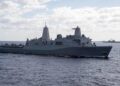
In a significant development in international cooperation against drug trafficking, the Dominican Republic has announced it will permit the United States to utilize its air facilities for anti-narcotics operations. This decision, outlined in a recent statement by government officials, underscores a growing commitment to combat the escalating presence of drug-related crime in the region. By leveraging its strategic location and resources, the Dominican Republic aims to bolster efforts not only to curb drug trafficking but also to enhance regional security. This collaboration is poised to strengthen ties between the two nations as they work together to address a pressing issue that affects both their societies.
Dominican Republic Strengthens Cooperation with U.S. Against Drug Trafficking
The Dominican Republic is set to enhance its joint efforts with the United States to combat drug trafficking, a growing concern for both nations. Under a recently established agreement, U.S. authorities will gain access to strategic air facilities within the Dominican Republic, enabling improved surveillance and operational capabilities to combat the influx of illegal substances. This collaboration is expected to foster better communication and resource sharing between the nations, ultimately increasing the effectiveness of their anti-drug initiatives.
Key aspects of the cooperation agreement include:
- Joint Operations: U.S. law enforcement agencies will work collaboratively with Dominican counterparts to conduct operations targeting drug trafficking networks.
- Increased Surveillance: Enhanced aerial surveillance of maritime routes used for drug smuggling will be implemented, using advanced technologies.
- Training Programs: U.S. experts will provide training to Dominican forces, equipping them with modern counter-narcotics techniques and strategies.
| Area of Focus | Goals |
|---|---|
| Operational Collaboration | Conduct regular joint missions |
| Surveillance | Enhance aerial monitoring |
| Training | Equip forces with advanced skills |
Strategic Use of Air Facilities: Implications for Regional Security and Drug Enforcement
The recent decision by the Dominican Republic to permit U.S. access to its air facilities illustrates a significant shift in regional security dynamics. This collaboration is primarily aimed at enhancing efforts to combat the escalating drug trafficking crisis that has plagued the Caribbean region. By allowing the United States to utilize air resources stationed in the Dominican Republic, both nations are strategically positioning themselves to better monitor and disrupt the illicit drug trade that poses a growing threat to national security and public health. The implications of this partnership extend beyond mere logistics; they symbolize a united front tackling a multifaceted issue that not only affects local communities but also international relations.
This military cooperation is expected to lead to several key outcomes, including:
- Enhanced Surveillance: Increased aerial patrols can provide crucial intelligence on trafficking routes and networks.
- Quick Response Capabilities: The U.S. will have the ability to respond more rapidly to emerging drug threats in the Caribbean.
- Strengthened Local Law Enforcement: Joint operations may provide opportunities for training and resources to enhance the Dominican Republic’s own anti-narcotics efforts.
Moreover, this arrangement could reshape the collaboration landscape across the Caribbean, prompting other nations to consider similar alliances in the fight against drug trafficking. The broader context of this initiative highlights the urgent necessity for cooperative security strategies to address transnational crime effectively.
Recommendations for Enhanced Collaborative Efforts in Combating Narcotics Networks
To bolster efforts in dismantling narcotics trafficking networks, a multifaceted approach is essential. Key stakeholders must enhance collaboration through robust information-sharing mechanisms, which will enable real-time intelligence on drug movements and trafficking routes. Joint training programs should also be implemented to strengthen the capacities of local law enforcement agencies, ensuring they are equipped with the latest techniques and tools necessary for effective operations against organized crime. Such initiatives could include:
- Cross-border workshops focusing on intelligence gathering and analysis.
- Regular strategy meetings among U.S. and Dominican law enforcement to assess progress and adapt tactics.
- Community engagement programs to build trust and facilitate grassroots reporting of suspicious activities.
Further, the establishment of a binational task force dedicated to drug interdiction can streamline efforts and maximize resource allocation in hotspots vulnerable to narco-trafficking. This task force could leverage advanced technology for surveillance and monitoring, fostering a proactive stance rather than a reactive one. The collaboration could also extend to other Caribbean nations, leading to a regional framework that addresses narcotics challenges comprehensively. The following table illustrates potential roles within the task force:
| Role | Description |
|---|---|
| Data Analyst | Analyzes intelligence and trafficking patterns. |
| Field Operative | Conducts on-ground operations targeting drug transportation. |
| Community Liaison | Engages local populations for support and intelligence. |
Key Takeaways
In conclusion, the Dominican Republic’s decision to permit the United States access to its air facilities marks a significant step in the collaborative effort to combat drug trafficking in the Caribbean region. This partnership not only underscores the Dominican government’s commitment to addressing the ongoing challenges posed by drug-related activities but also highlights the necessity for international cooperation in enhancing regional security. As both nations work together to monitor and disrupt illicit drug networks, the implications of this agreement will likely resonate far beyond their borders, fostering a safer and more stable environment in the region. Continued developments in this partnership will be closely monitored as stakeholders assess its effectiveness and impact on drug trafficking routes.