
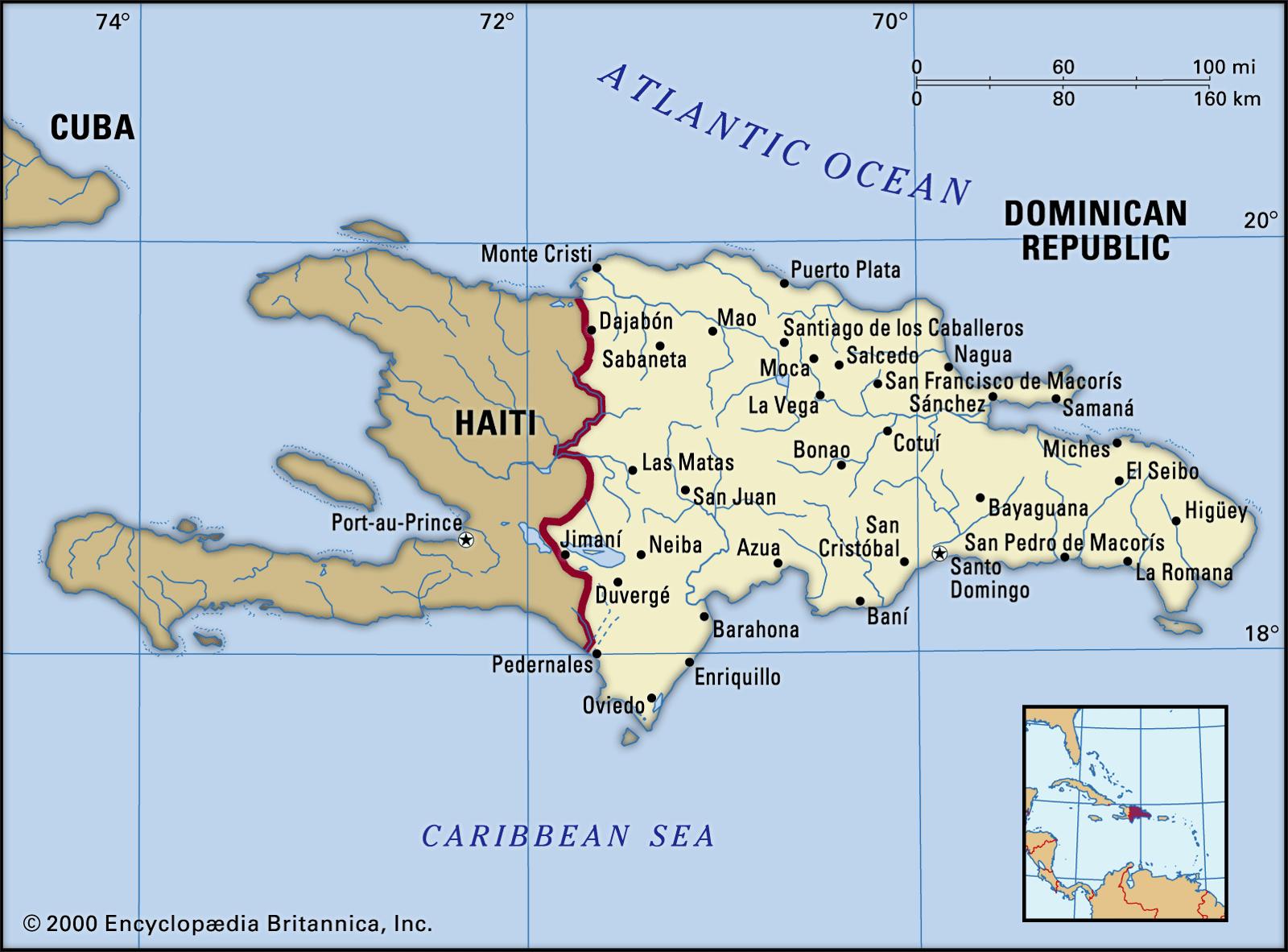
In the wake of declining tourist numbers from the United States and Canada, the Dominican Republic has garnered widespread acclaim for its proactive and strategic response to this challenge. As travel patterns shift and external factors influence international tourism, the Caribbean nation has swiftly adapted its approach, prioritizing safety, enhancing visitor experiences, and promoting its rich cultural heritage. By innovatively marketing its diverse offerings and fostering partnerships with local stakeholders, the Dominican Republic aims to not only retain its position as a favored destination but also to elevate it within the competitive travel landscape. This article explores how the nation’s initiatives have not only addressed the immediate decline in tourism but have also set the stage for a resilient recovery, capturing the attention of industry experts and travelers alike.
Dominican Republic’s Strategic Measures to Boost Tourism Amid North American Decline
The Dominican Republic is proactively addressing the recent decline in tourism from North America by implementing a robust set of strategic measures aimed at revitalizing its appeal. Key initiatives include enhancing infrastructure to ensure seamless travel experiences, offering diversified tourism packages tailored to different demographics, and increasing marketing efforts targeting niche markets such as eco-tourism and adventure travel. The country is also looking to foster partnerships with airlines to facilitate more direct flights, reducing travel time and making the destination more accessible.
To further support these strategies, the government is prioritizing safety and hygiene protocols to reassure travelers post-pandemic. The introduction of certified health standards for hotels and restaurants, along with increased staff training on health measures, aims to bolster tourist confidence. The Dominican Republic is also launching promotional campaigns that highlight its rich cultural heritage, stunning landscapes, and the warmth of its people, making it an attractive alternative for those seeking reliable vacation options. As a result, local businesses are optimistic about the economic resurgence that these measures are poised to deliver.
Innovative Marketing Campaigns to Attract a Diverse International Audience
The Dominican Republic has taken a bold and proactive approach to revitalize its tourism sector amidst a noticeable dip in visitors from the United States and Canada. By implementing innovative marketing strategies that resonate with a broader audience, the country is not only aiming to restore its tourist numbers but also enrich its cultural appeal. Some of the tactics employed include:
- Targeted Social Media Campaigns: Engaging influencers from diverse backgrounds to share authentic experiences of the Dominican Republic.
- Collaborative Promotions: Partnering with international travel agencies to create enticing travel packages tailored for various cultural groups.
- Virtual Reality Tours: Offering immersive online experiences that showcase the natural beauty and vibrant local culture, enticing travelers to visit in person.
Furthermore, the Dominican Republic is emphasizing unique cultural festivals and events to attract tourists from different regions of the globe. An impressive lineup of activities has been organized, including:
| Event | Date | Highlight |
|---|---|---|
| Dominican Carnival | February | Colorful parades celebrating local folklore and traditions. |
| Merengue Festival | July | A week-long celebration of Dominican music and dance. |
| Harvest Festival | November | Showcasing local gastronomy and agriculture. |
Through these strategies, the Dominican Republic is not only striving to increase its tourist inflow but also enhancing its narrative as a vibrant, inclusive destination catering to a mosaic of international visitors.
Strengthening Local Infrastructure and Services to Enhance Visitor Experience
In response to the recent decline in American and Canadian tourists, the Dominican Republic has initiated a series of strategic measures aimed at modernizing and enhancing the country’s infrastructure. This proactive approach focuses on upgrading transportation networks, improving utilities, and expanding digital connectivity, ensuring that visitors enjoy a seamless travel experience. Key initiatives include:
- Development of New Roadways: Enhancing road conditions between major tourist attractions and airports to reduce travel time.
- Public Transportation Improvements: Expanding access to reliable public transit systems to facilitate easier exploration of urban and rural areas.
- Digital Infrastructure: Strengthening Wi-Fi availability in tourist hotspots to cater to the needs of tech-savvy travelers.
Additionally, investing in local services is paramount. By collaborating with the hospitality industry to train staff across hotels, restaurants, and local attractions, the Dominican Republic is ensuring that service quality meets international standards. This comprehensive strategy not only enhances visitor satisfaction but also empowers local communities and economies. Key elements of this service enhancement include:
| Service Aspect | Improvement Strategy |
|---|---|
| Customer Service Training | Workshops and mentorship programs for staff |
| Sustainable Practices | Encouraging eco-friendly initiatives in hospitality |
| Cultural Awareness | Programs to educate staff on local heritage and customs |
To Wrap It Up
In conclusion, the Dominican Republic’s strategic response to the recent decline in American and Canadian tourists has drawn widespread acclaim, showcasing the country’s resilience and adaptability in the face of changing travel dynamics. By prioritizing domestic tourism, enhancing safety measures, and investing in marketing initiatives targeted at emerging markets, the nation has not only managed to mitigate the impact of reduced foreign visitors but has also positioned itself for a robust recovery when international travel rebounds. As the global tourism landscape continues to evolve, the Dominican Republic stands as a testament to the power of proactive measures and innovative thinking in sustaining economic vitality and promoting cultural exchange. With the support of both local stakeholders and the international community, the island nation is poised to navigate these challenging times while remaining a premier travel destination for years to come.











