
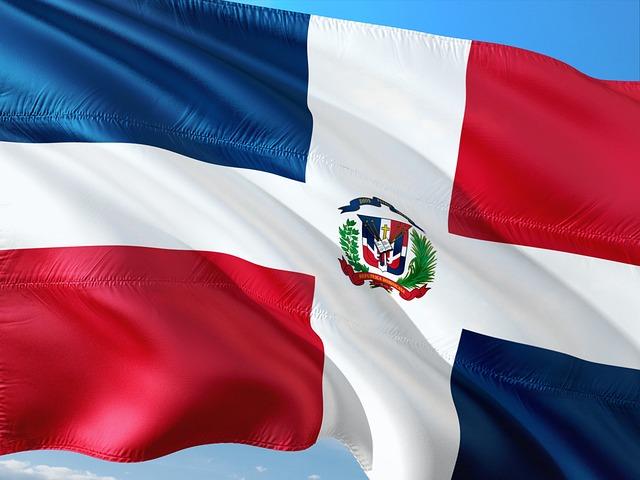
In a controversial move that has sparked outrage among human rights advocates, the Dominican Republic has begun deporting dozens of pregnant Haitian women and their children from hospitals. This crackdown, reported by CNN, is part of a broader enforcement of immigration policies amidst ongoing tensions between the two nations. Critics argue that these actions not only violate humanitarian principles but also threaten the health and safety of vulnerable populations in a time of crisis. As the Dominican government intensifies its efforts to address illegal immigration, the implications for families seeking medical care raise pressing questions about the balance between national security and the right to health.
Deportation Policy Targets Vulnerable Populations in Dominican Republic
The recent deportation of Haitian pregnant women and children from hospitals in the Dominican Republic has sparked widespread concern among human rights advocates. This policy disproportionately affects the most vulnerable populations, stripping away their access to essential health services during critical moments. Observers have noted that the crackdown disproportionately targets individuals based on their nationality and socioeconomic status, raising serious ethical questions. Health professionals have expressed alarm over the implications for maternal and child health, fearing that these actions could deter individuals from seeking necessary medical care and exacerbate the already precarious situation of thousands living in the shadows.
Furthermore, the policy’s execution highlights the ongoing tensions between Haitian migrants and Dominican authorities. Many families report being intercepted by immigration officials while receiving treatment, leading to a chilling atmosphere where fear overrides the necessity of immediate medical assistance. The implications are dire, as the combination of restricted access to healthcare and a hostile legal environment puts an entire generation at risk. Health and social services may find it increasingly challenging to engage with affected populations, further entrenching the cycle of vulnerability. Below is a brief overview of the key issues arising from this policy:
| Issue | Impact |
|---|---|
| Access to Healthcare | Decreased health-seeking behavior among vulnerable populations. |
| Socioeconomic Status | Increased marginalization of impoverished communities. |
| Child Health Risks | Potential rise in maternal and infant mortality rates. |
| Legal Rights | Violation of basic human rights and international treaties. |
Impact on Haitian Communities and Healthcare Access in the Region
The Dominican Republic’s recent actions to deport Haitian pregnant women and their children have profoundly affected local Haitian communities, exacerbating existing vulnerabilities and distress. Many of these individuals, seeking essential medical care, have been forced to abandon their treatment and face dire situations in their home country, where healthcare systems are strained and under-resourced. As a result, the delicate balance of community health is disrupted, leading to increased maternal and infant mortality risks, as well as heightened anxiety among families, who are already grappling with poverty and instability.
The implications for healthcare access in the region are vast. With a surge in deportations, Haitian families are increasingly hesitant to seek medical services in the Dominican Republic, fearing encounters with authorities. This leads to a concerning decline in health service utilization among the vulnerable population, resulting in several adverse outcomes, such as:
- Reduced Prenatal Care: Pregnant women avoiding hospitals due to fear of deportation.
- Increased Health Risks: Higher rates of complications during pregnancy and childbirth.
- Children’s Health Decline: Lack of vaccinations and routine medical check-ups.
Healthcare providers are now left navigating a complex landscape where fear and mistrust overshadow the critical need for comprehensive medical care. Hospitals face unique challenges, ranging from diminished patient inflow to the potential stigmatization of Haitian communities, leading to a cycle of deteriorating health outcomes for one of the region’s most vulnerable populations.
Urgent Recommendations for Policy Reform and Humanitarian Support
The recent deportations of Haitian pregnant women and children from the Dominican Republic signal an urgent need for both policy reform and enhanced humanitarian support. To address the humanitarian crisis exacerbated by these actions, it is crucial to implement measures that prioritize the rights and wellbeing of affected individuals. Stakeholders must advocate for:
- Comprehensive legal frameworks that ensure the protection of vulnerable migrants, particularly women and children, in line with international human rights standards.
- Access to healthcare services for all pregnant women, regardless of immigration status, to safeguard maternal and infant health.
- Emergency support programs that assist deported individuals in reintegrating into society, providing access to basic needs like shelter, food, and legal aid.
Additionally, the international community should play an active role in restoring stability and supporting the integration of Haitian migrants in the Dominican Republic. A collaborative effort can be fostered through:
- Increased funding for non-governmental organizations working directly with migrant populations, ensuring they have the resources to provide essential services.
- Diplomatic pressure on the Dominican government to uphold human rights while simultaneously addressing the complexities of migration.
- Awareness campaigns that highlight the plight of these migrants, fostering empathy and understanding within the local and international communities.
To Wrap It Up
In conclusion, the recent crackdown by Dominican authorities, which has resulted in the deportation of dozens of Haitian pregnant women and children from hospitals, has raised significant concerns regarding human rights and the treatment of vulnerable populations. As tensions continue to mount between the Dominican Republic and Haiti, this situation underscores the complex interplay of migration, health care access, and national policy. Advocacy groups and human rights organizations are calling for a reevaluation of these practices, urging authorities to prioritize the well-being of individuals in critical need of medical assistance. As this story develops, it will be essential to monitor the implications of these actions on the broader humanitarian landscape in the region and the lives of those affected.











