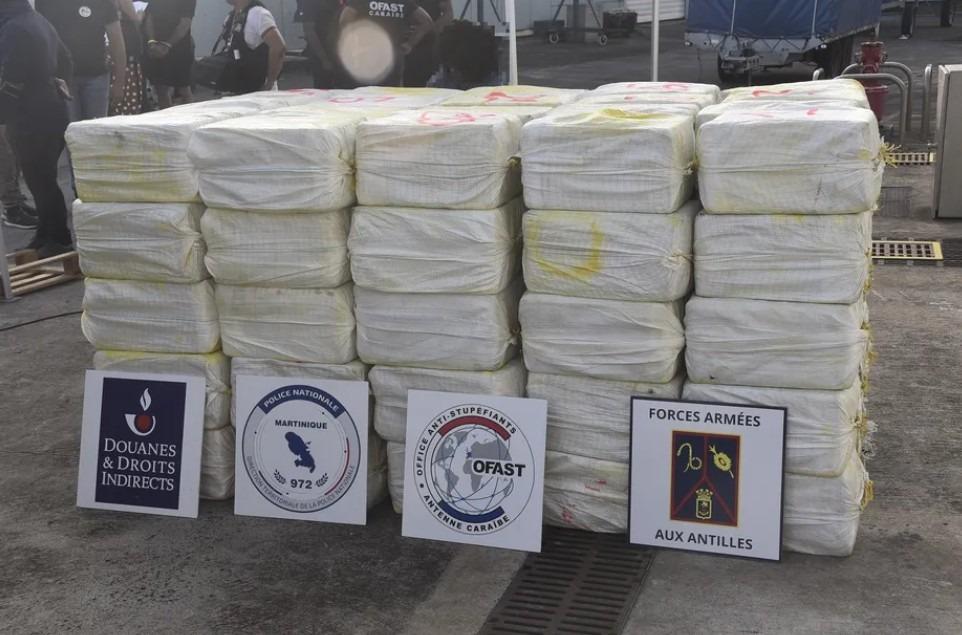
In a significant development in international drug enforcement, authorities in the Dominican Republic have announced the seizure of approximately 1,000 kilos of cocaine from a vessel that was reportedly under the scrutiny of U.S. law enforcement agencies. The operation highlights ongoing efforts to combat drug trafficking in the Caribbean, a region frequently used as a transit point for illicit substances headed to the United States and beyond. This interception is part of a broader campaign by both American and Dominican authorities to curb the flow of narcotics and dismantle the networks that facilitate this lucrative trade. As the global fight against drug trafficking continues, this latest operation underscores the persistent challenges faced by law enforcement in addressing the complexities of the drug trade in the region.
Cocaine Seizure Highlights Ongoing Drug Trafficking Challenges in Caribbean Region
The recent interception of a vessel off the coast of the Dominican Republic underscores the persistent threats posed by drug trafficking networks operating across the Caribbean. This incident, which resulted in the confiscation of 1,000 kilograms of cocaine, signifies not only the scale of drug operations in the region but also the complex interplay between law enforcement and organized crime. Authorities have attributed the interception to collaborative efforts between the Dominican Republic’s Coast Guard and U.S. agencies, signifying a united front against these illicit activities. The sheer volume of drugs seized reflects an ongoing battle against well-entrenched trafficking routes that exploit the region’s geographical vulnerabilities.
Despite these successful operations, challenges continue to loom large in the Caribbean, as drug traffickers adapt their methods to evade detection. Key factors that exacerbate the situation include:
- Geographical Factors: The region’s numerous islands and porous borders make monitoring and enforcing regulations difficult.
- Corruption: Infiltration of law enforcement and governmental structures by criminal organizations can compromise anti-drug initiatives.
- Resource Limitations: Many Caribbean nations struggle with limited resources for surveillance and interdiction efforts.
In light of these hindrances, international cooperation remains critical. The need for increased intelligence-sharing and capacity-building measures will be essential to disrupt these networks effectively. Recent seizures like this one serve as important reminders of the ongoing need to bolster regional and cross-border efforts in the fight against narcotics trafficking.
Strategic Cooperation Necessary Between the US and Dominican Republic to Combat Drug Smuggling
The recent seizure of 1,000 kilograms of cocaine from a boat, which was under the surveillance of U.S. authorities, underscores the urgent need for strategic collaboration between the United States and the Dominican Republic to effectively tackle the ongoing challenge of drug smuggling. With the Caribbean serving as a significant transit route for illicit drugs destined for the U.S. market, both nations must enhance communication and operational coordination to disrupt these trafficking networks. This two-fold collaboration could involve:
- Joint Interdiction Operations: Coordinating maritime patrols and aerial surveillance to detect and intercept drug shipments.
- Intelligence Sharing: Creating a robust system for sharing actionable intelligence regarding drug trafficking routes and key players.
- Training and Resources: Providing specialized training for law enforcement agencies to enhance investigative and operational capabilities.
Additionally, the Dominican Republic can benefit from leveraging U.S. resources to bolster its own law enforcement efforts against drug smuggling. By implementing a holistic approach combining legal, economic, and community initiatives, both nations can create a more formidable front against organized crime. The following table highlights key areas of potential focus for this strategic partnership:
| Focus Area | Potential Initiative |
|---|---|
| Legal Framework | Revise and strengthen drug-related laws to support prosecution. |
| Community Engagement | Implement local programs aimed at drug addiction prevention. |
| Cyber Surveillance | Enhance cyber capabilities to track online drug transactions. |
Implications of Recent Seizures for Regional Security and Law Enforcement Initiatives
The recent seizure of 1,000 kilos of cocaine, directly tied to a targeted boat by U.S. authorities, underscores significant shifts in regional drug trafficking dynamics. The operation not only showcases the efficacy of international law enforcement collaboration but also highlights the persistent threat drugs pose to Caribbean nations. Key implications include:
- Heightened Vigilance: Law enforcement agencies in the Dominican Republic and neighboring countries are likely to ramp up their maritime patrols and intelligence-sharing initiatives.
- Increased Pressure on Drug Cartels: This major bust could hinder operations of various cartels, prompting them to adapt their methods or routes, which may have wider implications on regional trafficking patterns.
- Strengthened Bilateral Relations: Enhanced cooperation between the U.S. and Dominican Republic could lead to more robust frameworks for fighting drug trafficking and improve overall security measures.
Moreover, the impact of such seizures extends beyond immediate drug enforcement efforts. It may catalyze local governments to reallocate resources towards more comprehensive strategies aimed at combating not just the trafficking but also the socio-economic factors that facilitate drug-related crime. This could include initiatives like:
| Initiative | Description |
|---|---|
| Community Education | Programs focused on drug awareness and prevention. |
| Border Security Enhancements | Investing in technology and personnel at key points. |
| Socio-Economic Development | Creating job opportunities to disincentivize participation in drug trade. |
By implementing these measures, regional authorities not only address the immediate challenges posed by drug trafficking but also lay the groundwork for sustainable security and community support systems.
Closing Remarks
In conclusion, the seizure of 1,000 kilos of cocaine from a boat previously targeted by U.S. authorities marks a significant milestone in the ongoing battle against drug trafficking in the Caribbean Sea. The Dominican Republic’s successful operation underscores the importance of international cooperation in addressing illicit drug activities that threaten regional security and public health. As law enforcement agencies continue to collaborate across borders, the fight against drug smuggling remains a top priority. This operation not only highlights the persistent challenges faced by authorities but also serves as a reminder of the evolving methods used by traffickers. In a world where the drug trade adapts rapidly, vigilance and cooperation remain crucial in combating this pervasive issue.