
The Dominican Republic and the New Caribbean Geopolitical Order: A Shifting Paradigm
As the Caribbean navigates an increasingly complex geopolitical landscape, the Dominican Republic emerges as a key player in shaping the region’s future. With its strategic position, burgeoning economy, and vibrant diplomatic relations, the Dominican Republic is not only redefining its own national interests but also influencing the broader Caribbean geopolitical order. From the resurgence of great power competition to the pressing challenges of climate change, the Dominican Republic finds itself at the crossroads of historical dynamics and contemporary shifts. This article delves into the evolving role of the Dominican Republic amidst a landscape marked by Chinese investments, U.S. foreign policy recalibrations, and regional integration efforts, capturing the essence of a Caribbean in transition and highlighting the implications for both local and global stakeholders.
The Dominican Republic at the Center of Shifting Geopolitical Tides in the Caribbean
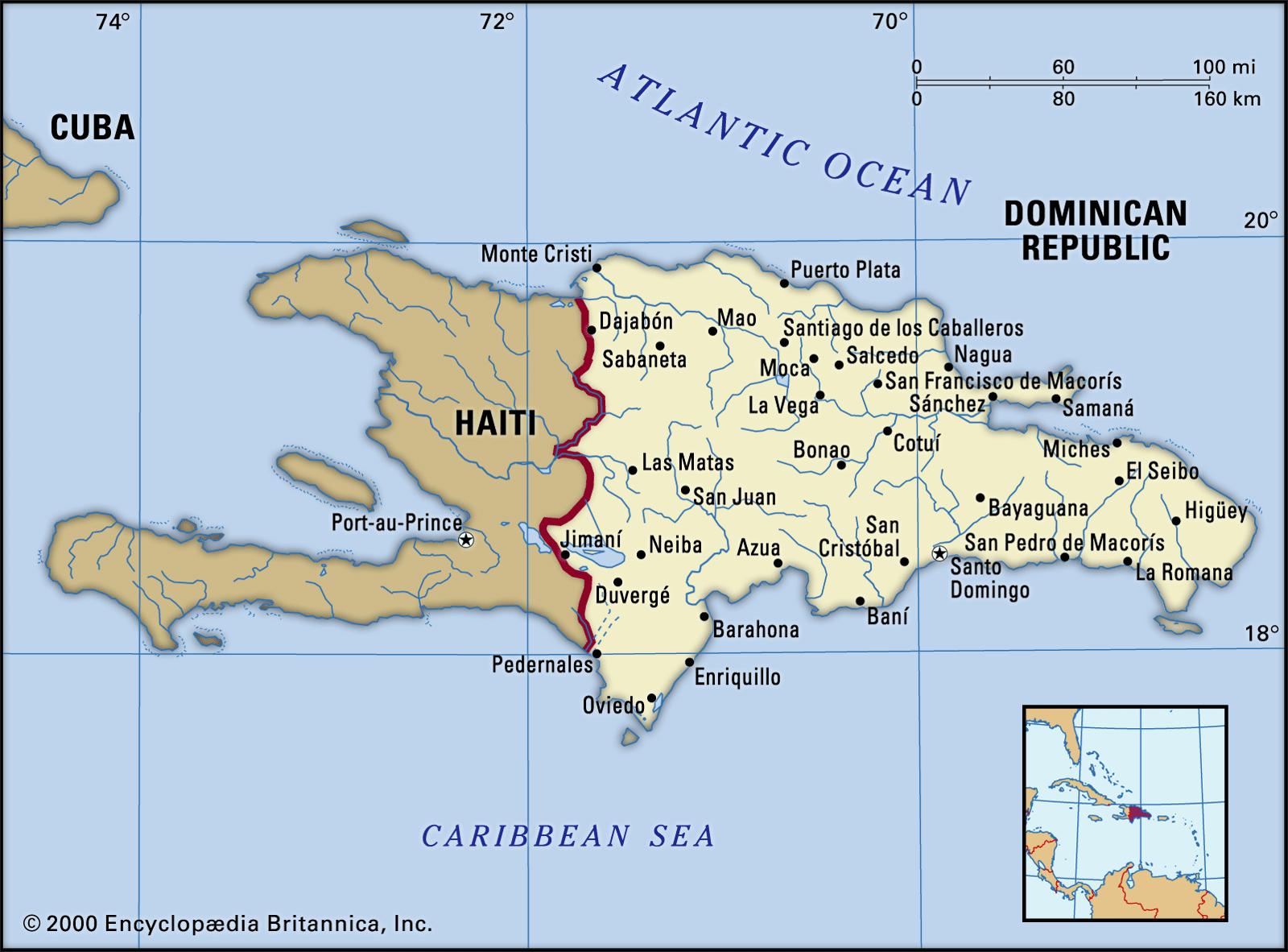
The Dominican Republic is increasingly positioned as a key player in the evolving geopolitical landscape of the Caribbean. As the region witnesses a shift in power dynamics, the nation has emerged as a focal point for various international interests, particularly from the United States, China, and regional neighbors. This strategic location facilitates crucial trade routes and provides access to valuable natural resources, making it essential for global powers to cultivate strong bilateral relations. The Dominican Republic’s ability to navigate alliances while maintaining its sovereignty is a testament to its growing importance in regional affairs.
The nation’s robust economic growth and increasing foreign direct investment have enabled it to assert its influence within Caribbean politics. With a focus on strengthening infrastructure and enhancing maritime capabilities, the Dominican Republic is better equipped to address emerging challenges such as climate change and security threats. Moreover, key factors driving this geopolitical repositioning include:
- Investment Opportunities: The Caribbean market is expanding, prompting both traditional and emerging investors to seek a foothold.
- Tourism and Trade: The Dominican Republic remains a tourism hub, vital for economic stability and fostering regional ties.
- Diplomatic Initiatives: The country is actively participating in multilateral organizations to bolster its diplomatic clout.
As the geopolitical tides continue to shift, the Dominican Republic’s leaders are strategically leveraging these trends to enhance their national interests. In this new Caribbean order, the country is not merely reacting to external pressures but is proactively shaping its destiny through calculated diplomacy and sustained economic policies.
Understanding the Impact of Regional Alliances on Dominican Foreign Policy
As the Dominican Republic navigates the shifting tides of Caribbean geopolitics, the role of regional alliances has become increasingly pivotal in shaping its foreign policy. With heightened collaboration among Caribbean nations, the Dominican government seeks to leverage these alliances to enhance economic stability, bolster security, and address pressing social issues. Notably, this shift is evident in the recent participation of Dominican officials in various multilateral forums, where the emphasis on collective approaches to climate action and disaster response has underscored the importance of regional solidarity in confronting common challenges. The Dominican Republic’s foreign policy now reflects a strategic alignment with partners who share similar priorities, particularly in trade partnerships and resource management.
Furthermore, the influence of regional alliances extends into the realm of security, particularly in combating transnational threats such as drug trafficking and organized crime. The Dominican Republic has engaged in bilateral and multilateral security agreements that foster information sharing and joint operations among Caribbean nations. This cooperative approach not only strengthens the country’s defense capabilities but also enhances its diplomatic standing within the region. Key achievements in this area include:
- Increased intelligence sharing among Caribbean nations to combat drug trafficking.
- Joint military exercises designed to enhance regional defense readiness.
- Collaborative frameworks for responding to natural disasters and humanitarian crises.
Strategic Recommendations for Strengthening Dominican Leadership in Caribbean Affairs
To enhance the Dominican Republic’s influence in Caribbean affairs, a multi-faceted approach is essential. First, the establishment of regional alliances through platforms like the Caribbean Community (CARICOM) and the Organization of Eastern Caribbean States (OECS) can promote collaborative initiatives that address shared challenges such as climate change and economic diversification. Additionally, the Dominican Republic should leverage its robust tourism sector to position itself as a cultural and economic hub within the Caribbean, facilitating exchange programs and joint ventures that benefit neighboring nations.
Moreover, prioritizing investment in education and technological innovation will empower the next generation of Dominican leaders to effectively navigate the complexities of geopolitical changes. Creating scholarships and training programs aimed at building expertise in diplomacy, environmental sustainability, and trade can stimulate a more proactive Dominican presence in international dialogues. Finally, strategic participation in global forums like the United Nations and regional economic summits can elevate the country’s voice on critical issues, ensuring that Dominicans are seen as key players in shaping the Caribbean’s future.
In Retrospect
As the geopolitical landscape of the Caribbean continues to evolve, the Dominican Republic emerges as a pivotal player, navigating complex alliances and regional dynamics. Its strategic location, economic potential, and diplomatic initiatives position the nation at the forefront of a shifting power balance in the region. This renewed focus on the Caribbean’s geopolitical significance reflects not only the changing interests of global superpowers but also the increasing importance of regional cooperation and multilateralism.
In this context, understanding the Dominican Republic’s role is crucial for grasping the broader implications for Caribbean stability, security, and development. As nations within and beyond the region recalibrate their strategies and partnerships, the Dominican Republic’s actions will undoubtedly resonate, shaping the future of Caribbean geopolitics for years to come. As we move forward, it will be essential to monitor these developments closely, ensuring that the voices and interests of the Caribbean nations are adequately represented in the global arena.











