
In recent years, the global semiconductor industry has faced significant disruptions, driven by geopolitical tensions, pandemic-related challenges, and heightened demand for advanced technologies. As nations scramble to secure their semiconductor supply chains, Latin America has emerged as a crucial player in the quest for de-risking these vital networks. A new report by the Center for Strategic and International Studies (CSIS) sheds light on how Latin American countries can position themselves as alternative hubs for semiconductor production and innovation. This article explores the findings of the CSIS report, examining the potential opportunities and challenges that lie ahead for Latin America in the global semiconductor landscape, and what this shift means for the region’s economic future and technological competitiveness.
Latin America’s Strategic Position in Global Semiconductor Supply Chains
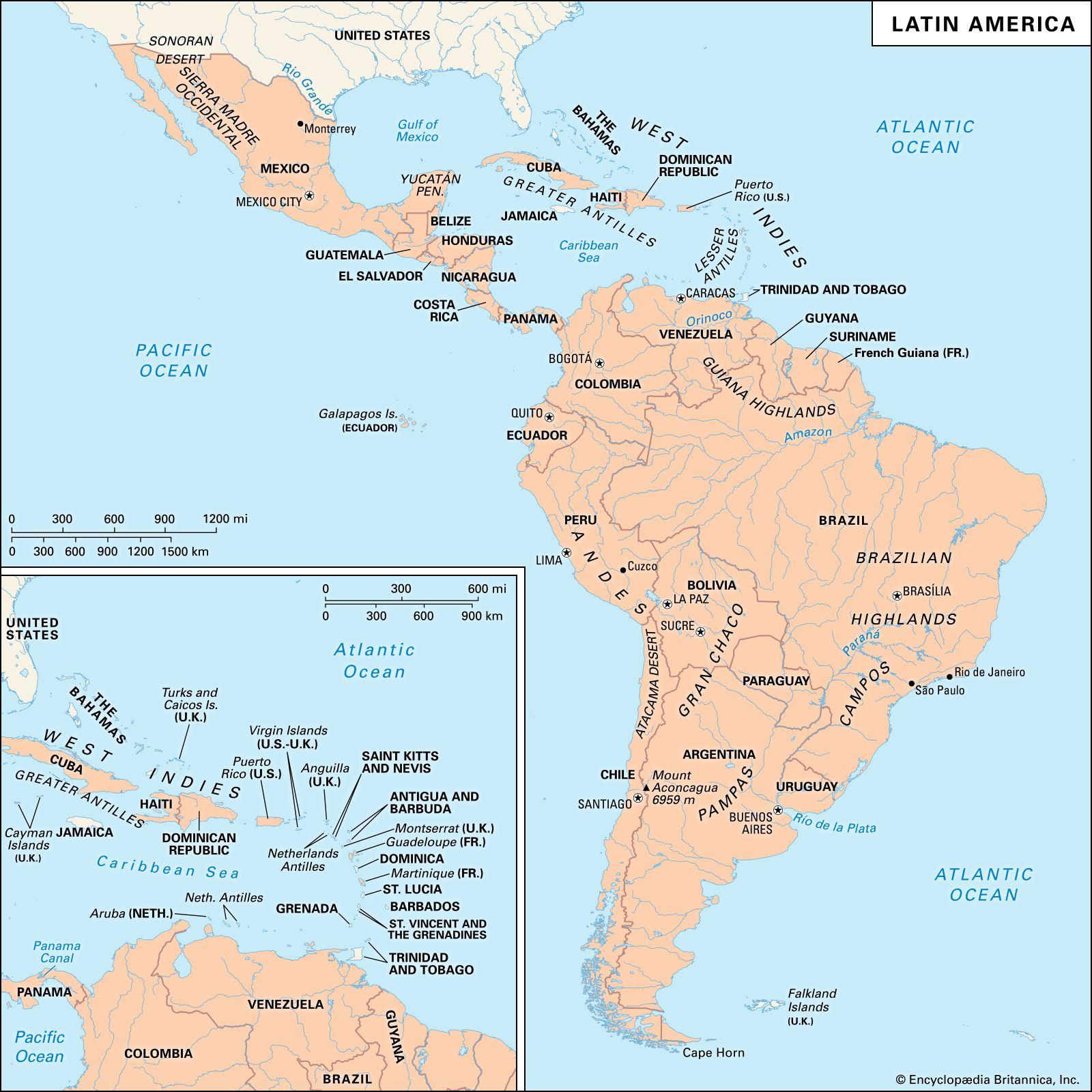
As global demand for semiconductors continues to surge, Latin America is poised to play a pivotal role in reshaping supply chains for these critical components. Several factors enhance the region’s strategic appeal, including geographical proximity to major markets like the United States and a growing base of skilled labor. Latin American countries such as Mexico and Brazil have been actively developing their manufacturing capabilities, particularly in the electronics sector, while Chile and Argentina are also exploring opportunities in lithium extraction-a key ingredient for semiconductor production.
Moreover, geopolitical tensions and recent supply chain disruptions have prompted firms to reconsider their reliance on traditional manufacturing hubs. By diversifying their operations, companies can reduce risks associated with over-dependence on particular regions. In this landscape, Latin America provides a unique advantage due to its relatively stable political environments and trade agreements, such as the USMCA. This diversification strategy is essential for industry leaders looking to secure their supply lines against future challenges, making Latin America’s involvement in the semiconductor industry increasingly vital.
Analyzing Regional Capabilities and Investments in Semiconductor Manufacturing
The landscape of semiconductor manufacturing in Latin America is evolving, revealing a rich tapestry of regional capabilities and investment opportunities that could significantly contribute to global supply chain resilience. Countries such as Mexico, Brazil, and Chile are emerging as potential hubs for semiconductor production due to their strategic locations, established manufacturing sectors, and burgeoning tech ecosystems. The following factors characterize the regional capabilities:
- Proximity to Major Markets: Latin America’s geographic position offers manufacturers an advantageous gateway to both North and South American markets.
- Investment in Human Capital: Policymakers are increasingly focused on enhancing STEM education to create a skilled workforce tailored for high-tech industries.
- Government Incentives: Many Latin American nations provide tax breaks and incentives to attract foreign direct investment in semiconductor facilities.
Investment flows into semiconductor manufacturing across the region reflect a cautious but optimistic approach to developing infrastructure. Recent pledges and collaborations between local governments and international semiconductor companies highlight a commitment to fortifying supply chains. As seen in the table below, several nations have already secured significant investments to lay the groundwork for semiconductor plants and R&D centers:
| Country | Investment (USD Millions) | Company/Initiative |
|---|---|---|
| Mexico | 1,500 | Intel |
| Brazil | 800 | STMicroelectronics |
| Chile | 250 | Collaboration with Local Universities |
This drive towards investment is not merely a regional phenomenon but a response to the global need for diverse semiconductor supply chains driven by the geopolitical landscape and increased demand for technology. The ongoing collaboration among industry stakeholders and government entities in Latin America indicates a shared vision of establishing a robust semiconductor sector that can serve both local and international markets.
Policy Recommendations for Strengthening Latin America’s Role in De-Risking Supply Chains
To fortify Latin America’s position as a pivotal player in the semiconductor supply chain amid global uncertainties, stakeholders must embrace strategic initiatives that enhance collaboration, innovation, and infrastructure development. Key policy recommendations include:
- Investment in R&D: Governments should allocate funding towards research and development initiatives tailored to semiconductor technologies, fostering partnerships with universities and tech companies.
- Trade Agreements: Strengthening trade agreements within the region and with key international partners can facilitate smoother access to technology and markets, reducing tariffs and administrative barriers.
- Skilled Workforce Development: Prioritizing education in STEM fields will equip the workforce with necessary skills, making the region more attractive for tech firms looking to establish operations.
Moreover, establishing a resilient regulatory framework that encourages foreign investment while ensuring local capabilities can further enhance Latin America’s semiconductor landscape. Essential considerations should include:
- Export Incentives: Implementing tax breaks or incentives for companies that export semiconductor products can stimulate growth in this sector.
- Infrastructure Improvements: Investing in transport and energy infrastructure is crucial to support the heavy demands of semiconductor manufacturing and logistics.
- Regional Cooperation: Promoting collaborations among Latin American countries can help pool resources, share knowledge, and create a more unified response to global supply chain challenges.
| Recommendation | Expected Outcome |
|---|---|
| Investment in R&D | Increased innovation and technology adaptation |
| Trade Agreements | Enhanced market access and reduced costs |
| Skilled Workforce Development | Creation of a talent pool for semiconductor industry |
| Export Incentives | Boosted economic growth and global competitiveness |
| Infrastructure Improvements | Streamlined production and distribution processes |
| Regional Cooperation | Stronger collective response to global challenges |
To Conclude
As global powers increasingly prioritize the resilience of their semiconductor supply chains, Latin America is poised to emerge as a crucial player in this strategic landscape. The insights from the Center for Strategic and International Studies underscore the region’s potential to not only diversify supply sources but also to enhance economic cooperation and technological development. Through targeted investments, favorable trade policies, and collaborative initiatives, Latin American countries can leverage their unique strengths to contribute significantly to global semiconductor manufacturing.
The future of technology and the global economy hinges on the ability to effectively manage risks associated with supply chain vulnerabilities. As stakeholders explore opportunities for partnerships and innovation in Latin America, it is clear that this region could serve as a vital link in building a more secure and robust semiconductor ecosystem. The stakes are high, and the time for proactive engagement is now-both for Latin American nations and the wider international community. As we look ahead, the emerging narrative will not only reshape the semiconductor industry but could also redefine the geopolitical landscape of the Americas.









