
Dominican Republic: The Caribbean’s Economic Diamond In The Rough
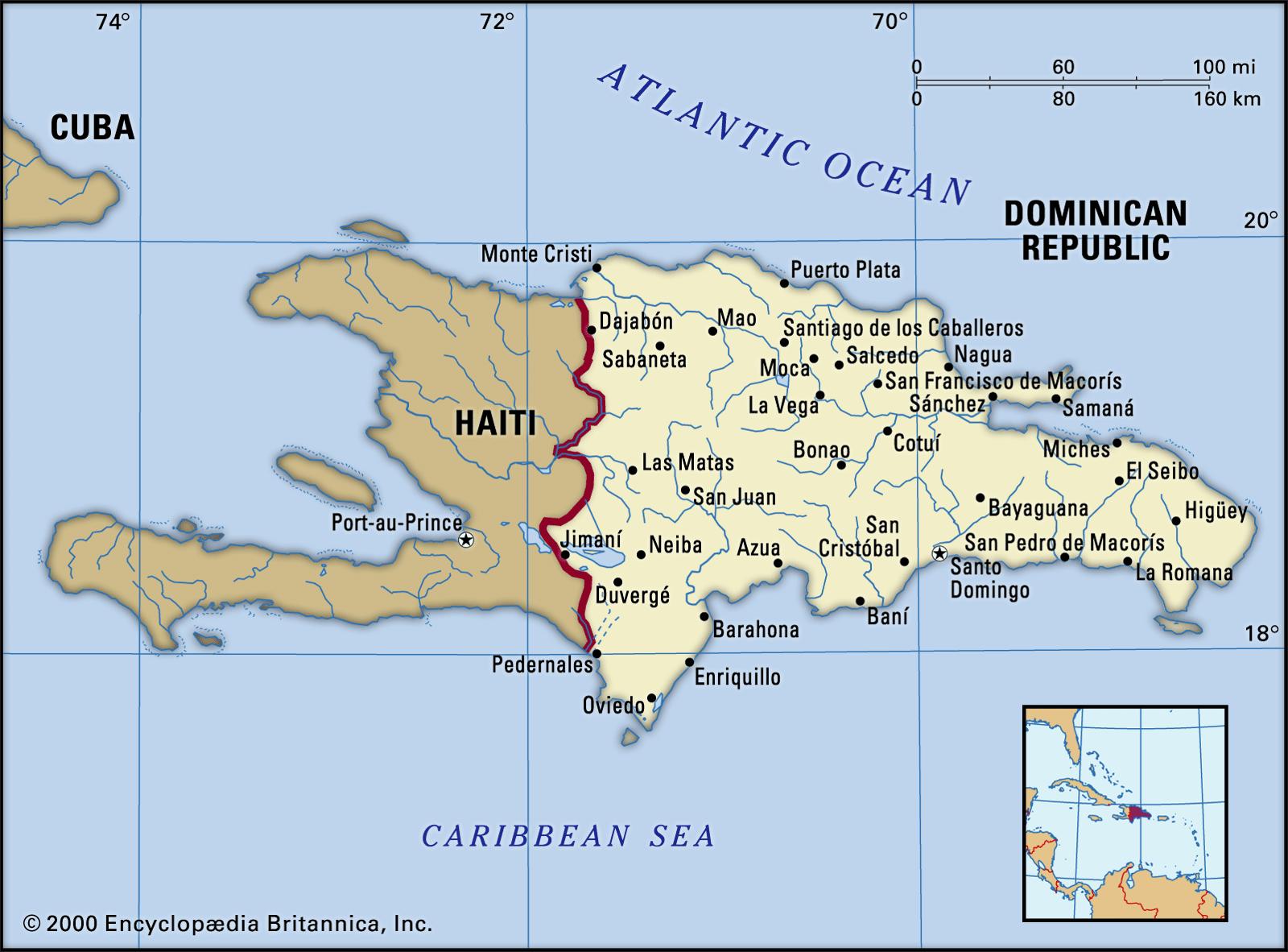
As the Caribbean region continues to evolve in the face of global economic changes, the Dominican Republic stands out as a beacon of resilience and opportunity. Often overshadowed by its more famous neighbors, this vibrant nation is emerging as a significant player on the international stage, attracting investment and attention for its robust economic growth and diversified sectors. With a strategic location, rich natural resources, and a burgeoning tourism industry, the Dominican Republic is positioning itself as an economic diamond in the rough. In this article, we delve into the factors driving its development, the challenges it faces, and the potential it holds for the future, highlighting why global investors are increasingly looking to this Caribbean gem for their next big opportunity.
Exploring the Diverse Economic Landscape of the Dominican Republic
The Dominican Republic’s economy showcases a blend of traditional sectors and emerging industries, characterized by its resilience and growth potential. Tourism remains a cornerstone, attracting millions of visitors drawn to its stunning beaches, rich culture, and vibrant history. However, beyond sun-soaked resorts, the nation has diversified its economic activities to include sectors such as agriculture, manufacturing, and services, positioning itself as a global player. Key agricultural exports such as bananas, cocoa, and coffee have established solid markets internationally, while the free-zone regime fosters manufacturing jobs and foreign investment. This economic diversification is paving the way for a more sustainable growth path, essential for the island’s burgeoning population.
In recent years, the Dominican Republic has also seen a rise in real estate development, particularly within the tourism sector, further stimulating local economies. Cities such as Santo Domingo and Punta Cana have become hubs for investment and entrepreneurship, attracting local and international businesses. This trend is bolstered by increasing remittances from Dominicans abroad, which contribute significantly to the domestic economy. As the government works on improving digital infrastructure and reducing regulatory barriers, new ventures in technology and renewable energy are gaining traction. The table below summarizes key sectors driving the Dominican Republic’s economy:
| Sector | Key Contributions |
|---|---|
| Tourism | Major employment and foreign exchange income source |
| Agriculture | Export of bananas, cocoa, and coffee |
| Manufacturing | Production in free zones, job creation |
| Real Estate | Investment in tourism-related properties |
| Technology | Growth in IT services and startups |
Investment Opportunities for Sustainable Growth in the Caribbean
The Dominican Republic is increasingly recognized as a beacon of sustainable investment opportunities in the Caribbean. With its robust economic framework and proactive government policies, the country is setting the stage for environmentally conscious initiatives that cater to both local and foreign investors.
Key sectors driving sustainable growth include:
- Renewable Energy: With abundant solar and wind resources, there is potential for significant investments in green energy projects.
- Agriculture: Sustainable farming practices are gaining traction, ensuring food security while promoting eco-friendly techniques.
- Tourism: Eco-tourism initiatives are a burgeoning industry, appealing to environmentally conscious travelers while preserving the natural beauty of the region.
Investors are increasingly attracted to the Dominican Republic due to its strategic location and trade agreements, which enhance market access. The table below highlights essential economic indicators that underline the country’s potential for sustainable development:
| Economic Indicator | Value |
|---|---|
| GDP Growth Rate (2023) | 6.0% |
| Investment in Renewable Energy | $500 million |
| Tourism Growth (YoY) | 8.5% |
As the country leverages its natural resources and cultivates a favorable investment climate, the Dominican Republic is poised to become a model for sustainable growth in the region.
Navigating Challenges to Unlock the Full Potential of a Thriving Economy
The Dominican Republic stands at a pivotal juncture, facing a myriad of challenges that could either hinder or propel its economic ascent. Among these challenges are the persistent issues of infrastructure deficits, which hamper both domestic growth and foreign investment. As the country strives to enhance its transportation networks and utilities, innovative partnerships between the private sector and the government become essential. Additionally, the educational system, while improving, must align more closely with the demands of a modern workforce to ensure that the burgeoning young population can contribute meaningfully to the economy.
Moreover, the need for sustainable practices cannot be overstated as the Dominican Republic aims to balance growth with environmental stewardship. Embracing renewable energy sources, enhancing waste management systems, and promoting eco-friendly tourism can serve not only to protect the nation’s rich biodiversity but also to position it as a leader in sustainability in the Caribbean. Addressing social inequities is equally crucial; programs designed to support underserved communities can not only uplift marginalized populations but also harness their potential to drive economic progress. In striving for these goals, the Dominican Republic could unlock a realm of possibilities, transforming itself into a true economic jewel within the region.
Concluding Remarks
In conclusion, the Dominican Republic is rapidly emerging as the Caribbean’s economic diamond in the rough, positioning itself as a key player in the region’s financial landscape. With robust growth rates, a diversified economy, and attractive investment opportunities, the country is setting a precedent for sustainable development. Global Finance Magazine’s exploration of the Dominican Republic’s economic potential highlights not only the resilience of its markets but also the innovative strategies being employed to navigate global challenges.
As the nation continues to enhance its infrastructure, foster foreign investment, and promote a resilient tourism sector, the encouragement from both local and international stakeholders will be crucial. The Dominican Republic may indeed be on the cusp of a transformative economic journey, one that could serve as a model for neighboring countries. As we keep an eye on this dynamic Caribbean nation, it becomes increasingly clear that the global financial community should take note-because this diamond is beginning to shine.









