
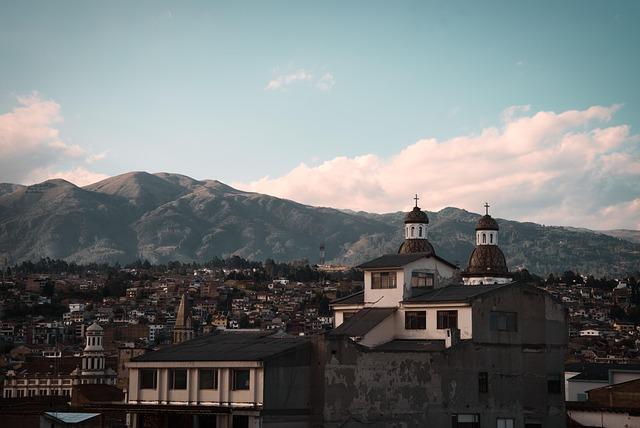
Ecuador, a nation rich in biodiversity and cultural heritage, finds itself at the crossroads of ecological preservation and economic necessity as it grapples with the increasing demands of its oil industry. As one of the largest oil producers in South America, Ecuador has long relied on oil revenues to bolster its economy, but this dependence brings forth a multitude of challenges, particularly in the Amazon region, which is home to some of the planet’s most critical ecosystems. The exploitation of these natural resources poses a significant test for the country’s democratic institutions, as indigenous communities and environmental advocates clash with government interests and multinational corporations. This tension not only highlights the complexities of governance in a resource-rich country but also raises urgent questions about social justice, environmental sustainability, and the future of democracy in Ecuador. In this article, we delve into the intricate relationship between Ecuador and its oil industry, exploring the implications for the Amazon rainforest and the broader socio-political landscape.
Ecuador’s Oil Dependency Undermines Democratic Governance
The ongoing struggle between oil extraction and environmental preservation in Ecuador illustrates a profound crisis in governance. The nation relies heavily on oil revenues, which represent a significant portion of its national budget. This dependency has increasingly compromised the integrity of democratic institutions as government decisions often favor the interests of the oil industry over the will of the people or the rights of indigenous communities. Key issues emerge, including:
- Corruption: Oil wealth can lead to corrupt practices, undermining transparency and accountability.
- Policy Manipulation: Legislation can be skewed in favor of extraction, sidelining environmental regulations.
- Social Unrest: Discontent among indigenous populations, who often bear the brunt of environmental degradation, raises questions about representation.
Moreover, the cycle of dependency fosters a precarious balance between economic growth and the sustainability of the Amazon rainforest, a critical global ecosystem. As the government prioritizes short-term financial gains from oil extraction, it risks long-term ecological and social destabilization. The implications are severe:
| Impact | Description |
|---|---|
| Environmental Damage | Deforestation and pollution disrupt biodiversity and indigenous lifestyles. |
| Social Inequality | Wealth distribution issues deepen the divide between urban and rural populations. |
| Political Instability | Fragile democratic processes are threatened by unrest and civil discontent. |
Protecting the Amazon: Urgent Steps for Sustainable Development
The ongoing exploitation of oil in Ecuador poses not only a significant threat to the Amazon rainforest but also challenges the very foundations of its democratic society. The Amazon, known for its unparalleled biodiversity, is critically endangered by unregulated oil drilling, which leads to deforestation, pollution, and the displacement of indigenous communities. The intersection of economic interests and environmental degradation raises concerns regarding governmental transparency and accountability. To secure a sustainable future, it is imperative to prioritize measures such as:
- Strengthening environmental regulations to ensure oil companies adhere to strict ecological standards.
- Empowering indigenous communities through legal frameworks that protect their land rights and promote their involvement in decision-making processes.
- Encouraging alternative energy sources that reduce dependency on fossil fuels and promote renewable technologies.
- Enhancing international cooperation to foster investments in sustainable practices and environmental conservation.
Additionally, a transparent dialogue between the government, civil society, and the private sector is paramount to foster a culture of sustainability. Implementing a comprehensive monitoring system can help track the impacts of oil extraction on both the environment and local communities. This includes:
| Action | Description |
|---|---|
| Community Engagement | Involvement of local populations in decision-making regarding resource use. |
| Impact Assessments | Regular evaluations of environmental and social impacts from oil activities. |
| Transparency Initiatives | Public access to information about oil projects and their consequences. |
Balancing Economic Growth with Environmental Responsibility in Ecuador
The ongoing debate surrounding Ecuador’s oil industry underscores the complex interplay between economic advancement and environmental stewardship. As the country seeks to expand its revenue streams through oil extraction, especially in the fragile ecosystems of the Amazon, significant concerns have arisen. Indigenous communities and environmental activists are increasingly vocal about the detrimental impacts that such activities may have, including:
- Deforestation: The encroachment of drilling operations threatens to dismantle the delicate balance of the Amazon rainforest.
- Pollution: Oil spills and chemical runoff pose severe risks to local water sources and biodiversity.
- Human Rights Issues: Indigenous rights are often overlooked in favor of economic incentives, raising questions about equity and justice.
In light of these challenges, policymakers face immense pressure to craft solutions that not only sustain economic growth but also honor environmental obligations. A potential pathway forward could involve:
- Investment in Renewable Energy: Diversifying the energy portfolio could reduce dependence on fossil fuels.
- Strengthened Environmental Regulations: Implementing stricter guidelines around oil extraction practices may help mitigate ecological damage.
- Community Engagement: Involving local populations in decision-making processes fosters accountability and respect for ancestral lands.
| Aspect | Economic Growth | Environmental Responsibility |
|---|---|---|
| Oil Revenue | Increases national income | Risk of environmental degradation |
| Job Creation | Jobs in extraction industries | Potential job loss in ecotourism |
| Energy Needs | Addresses immediate energy demands | Long-term sustainability concerns |
Concluding Remarks
As Ecuador continues to navigate the complex intersection of oil production, indigenous rights, and ecological preservation, the country’s commitment to democratic principles is increasingly tested. The recent debates surrounding oil extraction in the Amazon rainforest illustrate not only the pressing environmental concerns but also the potential ramifications for local communities and national governance. As citizens push for greater accountability and transparency, the outcome of these challenges will significantly shape Ecuador’s political landscape and its approach to sustainable development. The future of the Amazon-and the democracy that must represent its inhabitants-hangs in the balance. As the world watches, the decisions made in the coming years will serve as a critical test of Ecuador’s resolve to protect its natural heritage and uphold the rights of its people.











