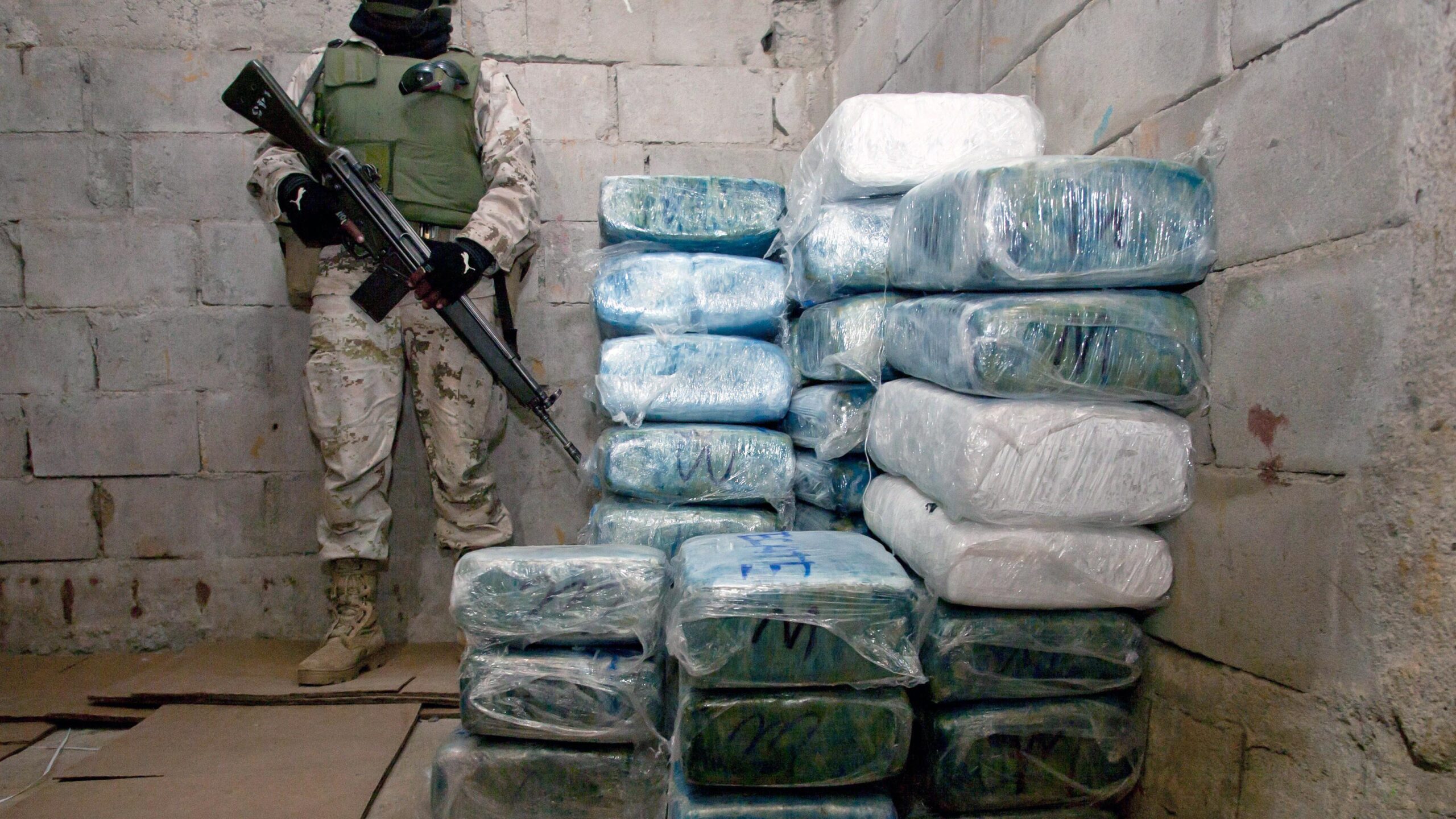
Drug Cartels in Ecuador: A Threat to Democratic Stability
Ecuador has recently experienced a troubling surge in the power and influence of drug cartels, presenting a meaningful challenge to the nation’s democratic framework. As violence associated with organized crime escalates, public safety deteriorates, placing immense pressure on social cohesion. Political leaders are struggling to respond effectively, putting the very foundation of democracy at risk. This article explores the concerning trends surrounding cartel activities, their effects on governance and civil society, and the urgent need for action to restore stability while upholding democratic principles amidst rising lawlessness. As Ecuador stands at a pivotal moment in its history, combating these criminal organizations transcends mere security concerns; it is fundamentally about national integrity and safeguarding democracy.
Threats to Democratic Framework Amidst Cartel Violence
The intensifying violence linked to drug cartels poses a grave threat to Ecuador’s democratic institutions. Rival trafficking groups compete fiercely for dominance, resulting in chaos that erodes public confidence in government entities. This decline in trust is exacerbated by corruption allegations against officials, fostering an environment where criminals operate with impunity. Citizens often find themselves trapped between conflicting factions while feeling increasingly abandoned by those institutions designed for their protection—leading to widespread disenchantment and a legitimacy crisis within the state.
Furthermore, governmental responses to cartel-related violence have ignited discussions regarding the delicate balance between security measures and civil liberties. The increasing militarization of law enforcement coupled with tendencies toward bypassing due process underlines how democratic norms are being compromised. These actions raise alarms about potential human rights infringements as authorities grapple with organized crime’s pervasive reach. In this volatile context, Ecuador’s democratic resilience faces rigorous testing as efforts against cartels escalate.
Effects of Cartel Violence on Society and Governance
The proliferation of cartel violence carries severe consequences for both civil society and governance structures within Ecuador. As criminal enterprises vie for territorial control, communities endure rising levels of intimidation and violence that foster an atmosphere of fear—one that stifles civic participation. Many citizens find themselves caught amid violent turf wars; they must navigate loyalty conflicts between their communities and threats posed by these illicit organizations. The fallout extends beyond personal safety; it undermines trust in public institutions while diminishing law enforcement efficacy—frequently enough hampered by corruption or infiltration.
Governance frameworks deteriorate as cartels exploit prevailing disorder for their gain through corrupt practices that compromise essential democratic values. Local governments may become influenced or even overtaken by cartel interests which complicates officials’ ability to enact policies prioritizing community welfare effectively:
- Heightened corruption within police forces and governmental bodies.
- Deterioration of electoral integrity, allowing cartels manipulation during elections.
- Diminished quality of public services, as resources are siphoned off into criminal operations.
This cycle perpetuates itself: ineffective governance breeds further violence which deepens social instability while alienating citizens from engaging meaningfully in democracy.
Approaches to Reinforcing Democracy Against Cartel Power
A comprehensive strategy is vital for strengthening democracy within Ecuador while counteracting cartel influence effectively. Key components include enhancing judicial independence so that legal frameworks can function without external interference.Ensuring obvious electoral processes will help restore citizen faith in leadership roles across government sectors; involving civil society organizations can be crucial here too when monitoring election fairness.
Additionally,educational initiatives aimed at informing citizens about their rights ,as well as raising awareness regarding cartel dangers will empower individuals towards active participation within governance systems.
The government should also focus on bolstering law enforcement capabilities through increased funding directed towards anti-drug units alongside establishing specialized task forces dedicated solely towards dismantling cartel operations.
Moreover,international partnerships would enhance intelligence sharing necessary for disrupting drug trafficking networks. Strengthening community policing efforts could build rapport between residents & police forces fostering collaboration against organized crime.
Understanding socio-economic factors contributing towards cartel growth—including poverty & lack opportunities—will inform policies aimed at reducing susceptibility among vulnerable populations targeted by recruitment efforts from these groups.
Conclusion: A Call For Vigilance And Action
As Ecuador confronts escalating challenges posed by drug cartels’ growing influence over time—the stability underpinning its democracy remains precarious.The intertwining relationship between organized crime & political authority raises pressing questions surrounding citizen safety,the integrity governing bodies,and future prospects concerning regional management.Law enforcement agencies along with political leaders face formidable obstacles striving simultaneously uphold core tenets associated with democracy whilst tackling violent narcotics syndicates head-on.The path ahead necessitates multifaceted solutions encompassing international cooperation,civic engagement,and robust policy reforms.As circumstances evolve—it becomes imperative both locals & global stakeholders remain alert ensuring ideals tied closely together around freedom aren’t sacrificed due harsh realities stemming from rampant criminality.The quest toward achieving safer more equitable democracies continues—with resilience exhibited amongst people serving foundational pillars supporting hopeful outcomes moving forward.