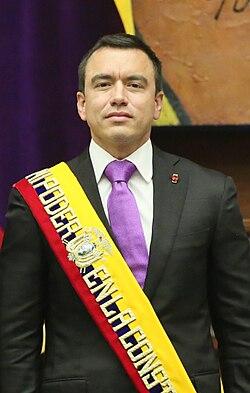
In a surprising geopolitical maneuver, Ecuador’s President Daniel Noboa is positioning his nation as a pivotal ally for Israel within Latin America. As regional dynamics evolve amid shifting global alliances, Noboa’s administration has embraced a firm stance of solidarity with the Israeli government, signaling a significant shift in Ecuador’s foreign policy. This strategic alignment comes at a time of heightened tensions in the Middle East, drawing both support and criticism from various quarters within Ecuador and across Latin America. With Noboa’s recent diplomatic overtures and public declarations, the stage is set for a deeper engagement that could redefine Ecuador’s role on the international stage and its relationships within the region. This article explores the implications of Noboa’s foreign policy shift and how it aligns Ecuador more closely with Israel amidst the complex landscape of Latin American politics.
Ecuador’s President Strengthens Diplomatic Ties with Israel in Latin America
Ecuador’s recent diplomatic maneuvers have positioned its president as a crucial ally for Israel in the Latin American region. By enhancing bilateral ties through various channels such as trade, technology transfer, and defense cooperation, the Ecuadorian leadership aims to establish a stronger foothold for both nations on the global stage. Key elements of this strengthened relationship include:
- Trade Agreements: Initiatives to boost export-import activities between Ecuador and Israel, focusing on agricultural technology and innovation.
- Education and Research Collaboration: Partnerships between universities aimed at fostering academic exchanges and joint research projects.
- Cultural Exchange Programs: Initiatives to promote understanding and cooperation through cultural events and exchanges.
This strategic alignment has significant implications not only for Ecuador and Israel but also for the wider geopolitical landscape in Latin America. The president’s commitment to aligning with Israeli policies on regional issues illustrates a shift towards a more assertive foreign policy aimed at securing investment and development aid. Countries in the region might interpret this diplomatic pivot as a potential model for future initiatives, especially as Ecuador seeks to attract more international partners willing to engage in mutual strategic interests. An overview of the focal points for this engagement is illustrated in the table below:
| Focus Area | Objective |
|---|---|
| Trade | Enhance bilateral market access |
| Technology | Transfer of agricultural innovations |
| Defense | Strengthen security cooperation |
| Education | Cultural and academic exchanges |
The Strategic Implications of Ecuador’s Support for Israel in Regional Politics
Ecuador’s recent diplomatic shift in favor of Israel has significant repercussions for both regional politics and international relations. This support can be viewed as part of President Guillermo Lasso’s broader strategy to redefine Ecuador’s foreign policy by enhancing ties with key global players. By positioning itself as a central ally of Israel in Latin America, Ecuador may aim to leverage economic aid, investment opportunities, and trade deals that could bolster its struggling economy. This alignment not only distinguishes Ecuador from its neighbors, who often adopt more critical stances towards Israel, but also places it squarely within a geopolitical framework that aligns with U.S. interests, paving the way for deeper bilateral cooperation.
Furthermore, Lasso’s support for Israel might influence the dynamics of regional alliances. As countries such as Bolivia, Argentina, and Venezuela maintain their distance from Israeli policies, Ecuador’s stance could lead to a fragmentation among Latin American countries on issues related to the Israeli-Palestinian conflict. Key implications of this shift include:
- Increased Trade Relations: Potential partnerships in technology and agriculture.
- Geopolitical Influence: Enhanced role in mediating discussions between Israel and Latin American nations.
- New Strategic Alliances: Opportunities to align with other pro-Israel nations for collective diplomatic ventures.
Recommendations for Enhancing Bilateral Relations and Regional Collaboration
In the evolving landscape of international relations, fostering stronger ties between Ecuador and Israel can yield significant benefits for both nations. To enhance collaboration, it is essential to prioritize dialogue that emphasizes mutual respect and understanding. Key strategies include:
- Expanding Trade Agreements: Negotiating bilateral trade pacts that prioritize local products can stimulate economic growth and create job opportunities.
- Cultural Exchange Programs: Implement initiatives aimed at promoting educational and cultural exchanges, allowing citizens to understand each other’s cultures in depth.
- Joint Scientific Research: Collaborating on technology and agricultural innovations can bolster both countries’ economies and address common challenges, such as climate change.
Furthermore, regional collaboration can be augmented by actively engaging neighboring Latin American countries to explore shared interests. By facilitating diplomatic forums focused on regional security, trade, and environmental sustainability, Ecuador and Israel can lead a collective effort. Noteworthy actions could include:
- Regional Security Initiatives: Creating a coalition focused on combating transnational crime that threatens stability in the region.
- Environmental Summits: Hosting conferences that address shared environmental issues, particularly those affecting the Amazon and the Mediterranean.
- Infrastructure Development Projects: Partnering on large-scale infrastructure projects that benefit multiple nations, thereby solidifying ties within the region.
To Wrap It Up
In conclusion, President Daniel Noboa’s proactive stance in strengthening Ecuador’s ties with Israel highlights a significant shift in Latin American geopolitics. As he positions himself as a key ally for Israel in the region, Noboa’s foreign policy reflects not only his administration’s strategic ambitions but also a broader trend of reconfiguring alliances within Latin America. The implications of this partnership could resonate across diplomatic, economic, and social dimensions, impacting not only Ecuador but also the dynamics of regional solidarity and international relations. As developments unfold, observers will be keenly watching how this alliance influences both domestic policies in Ecuador and the wider relationships within the Latin American political landscape.