
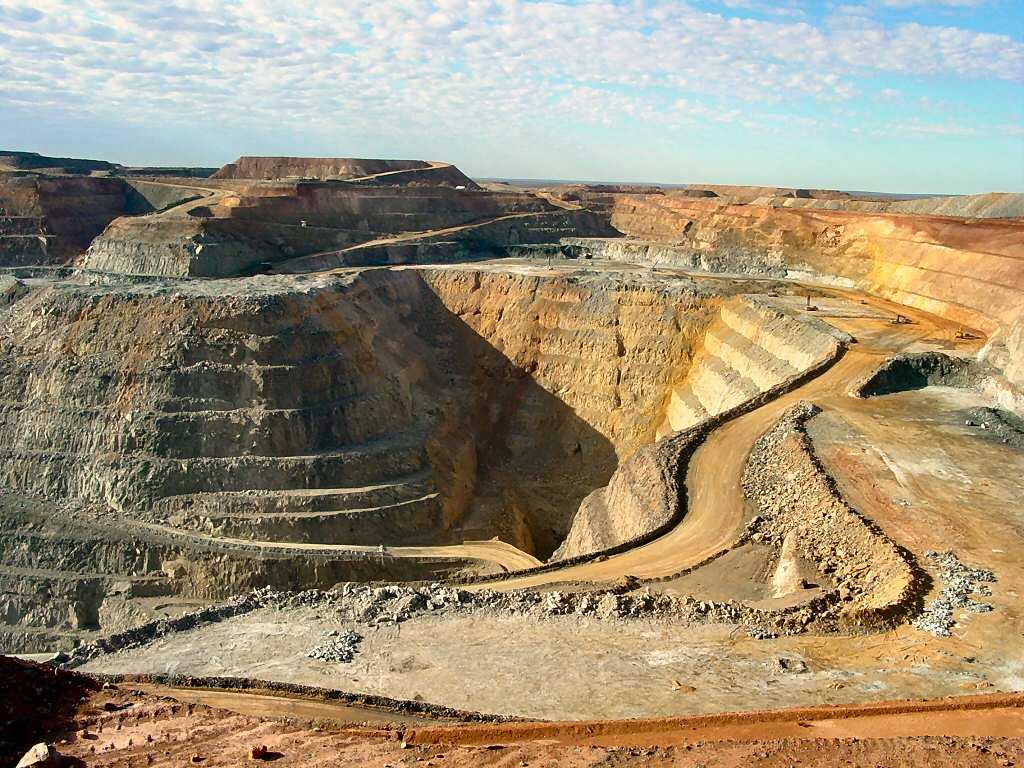
In the lush landscapes of Ecuador, the gleam of gold has long captivated prospectors and investors alike, promising wealth and prosperity. Yet, beneath the surface of this alluring metal lies a stark reality: the hidden costs of gold mining that threaten the delicate ecosystems and communities that call this vibrant country home. As the demand for gold continues to surge, Ecuador finds itself at a crossroads, grappling with the environmental degradation and social inequities brought on by an expanding mining industry. This article delves into the often-overlooked consequences of gold extraction in Ecuador, exploring the impacts on biodiversity, the rights of indigenous communities, and the broader implications for sustainable development. Through the lens of science, we shed light on the urgent need for responsible practices in an industry rife with complexity and conflict.
The Environmental Toll of Gold Mining: Uncovering the Ecological Consequences in Ecuador
As Ecuador increasingly looks to gold mining as a pathway to economic growth, the environmental ramifications of this industry have come under scrutiny. The delicate ecosystems of the Amazon rainforest, which hosts a myriad of biodiversity, are in jeopardy. Gold extraction processes often involve the use of toxic substances, such as mercury and cyanide, which leach into local waterways, contaminating drinking supplies and disrupting aquatic ecosystems. The destruction of natural habitats for mining operations also leads to significant loss of flora and fauna, challenging the resilience of these regions to recover. Among the most affected areas are:
- Deforestation: Large tracts of forest are cleared for mining activities.
- Soil Erosion: The removal of vegetation increases vulnerability to erosion.
- Water Pollution: Contamination from chemicals disrupts local water supplies.
- Biodiversity Loss: Species native to the region face extinction threats.
The toll on local communities is also significant. Many Indigenous groups depend on the land for their livelihoods, facing displacement and loss of cultural heritage as mining companies encroach on their territories. In response to these threats, environmental activists and organizations advocate for sustainable mining practices and the protection of sacred lands. The urgent need for regulatory frameworks becomes apparent, as the current patchwork of laws inadequately addresses the environmental impacts of gold mining. A potential solution lies in promoting:
- Responsible Mining: Companies adopting eco-friendly practices.
- Community Engagement: Involving local populations in decision-making processes.
- Rehabilitation Projects: Initiatives focused on restoring ecosystems post-mining.
The Social Impacts of Precious Metal Extraction: Examining Community Displacement and Health Risks
The extraction of precious metals, particularly gold, often comes at a steep price for local communities in Ecuador. As mining operations expand, communities face the threat of displacement, losing not only their homes but also their ancestral lands. This fragmentation uproots the socio-economic fabric, leading to a disruption of local cultures and livelihoods that are intimately tied to the land. Many residents report being inadequately compensated, with promises from mining companies often left unfulfilled. Furthermore, the influx of migrant workers can strain local resources, creating tension and conflict that exacerbate existing inequalities within these communities.
Health risks associated with mining activities also loom large for those in proximity to extraction sites. Studies have shown a correlation between mining operations and an increase in respiratory illnesses and skin conditions due to the dust and chemicals used in the extraction process. Children and the elderly are particularly vulnerable, with contaminated water sources leading to chronic health issues. Additionally, the psychological toll of displacement and environmental degradation can lead to increased rates of anxiety and depression among affected populations. Communities are often left grappling with the long-term consequences, even as the promise of economic development fades into reality.
Towards Sustainable Mining Practices: Recommendations for Balancing Economic Gain and Environmental Protection in Ecuador
In Ecuador, the push for economic growth through gold mining has often overshadowed the pressing need for environmental sustainability. To reconcile these opposing priorities, stakeholders must adopt a multi-faceted approach that emphasizes responsible extraction methods, robust regulations, and community engagement. Key recommendations include:
- Implementing strict environmental assessments for all mining projects to assess potential impacts on local ecosystems.
- Promoting the use of advanced technologies that reduce environmental degradation, such as environmentally-friendly cyanide extraction methods.
- Encouraging partnerships between mining companies and local communities to ensure that economic benefits are equitably shared.
- Establishing a regulatory framework that holds mining companies accountable for environmental damages and encourages restitution efforts.
- Investing in community-led conservation initiatives to preserve biodiversity while fostering sustainable livelihoods outside the mining sector.
Furthermore, transparency is crucial in managing the economic benefits derived from gold mining. The creation of a publicly accessible fund dedicated to environmental restoration can help balance mining profits with necessary ecological protection efforts. A table illustrating potential fund allocations can clarify how these investments could materialize:
| Allocation Area | Percentage of Fund | Expected Impact |
|---|---|---|
| Reforestation Projects | 30% | Restoration of local habitats and carbon sequestration |
| Community Development | 25% | Improved local infrastructure and education opportunities |
| Water Quality Monitoring | 20% | Protection of freshwater resources |
| Biodiversity Conservation | 15% | Preservation of endemic species and ecosystems |
| Emergency Response Fund | 10% | Risk management for environmental disasters |
Final Thoughts
In conclusion, while gold mining in Ecuador presents the promise of economic growth and job creation, it is essential to acknowledge the hidden costs that accompany it. As this investigation reveals, the environmental degradation, social conflicts, and health hazards linked to mining practices pose significant challenges for local communities and ecosystems alike. Stakeholders, including policymakers, mining companies, and civil society, must prioritize sustainable practices that protect Ecuador’s rich biodiversity and respect the rights of its indigenous populations. As we strive to balance economic development with environmental stewardship, understanding the full impact of gold mining will be crucial in shaping a more equitable and sustainable future for Ecuador. Only through transparency and accountability can the nation hope to navigate the complex terrain of resource extraction, ensuring that its natural wealth truly benefits all Ecuadorians.











