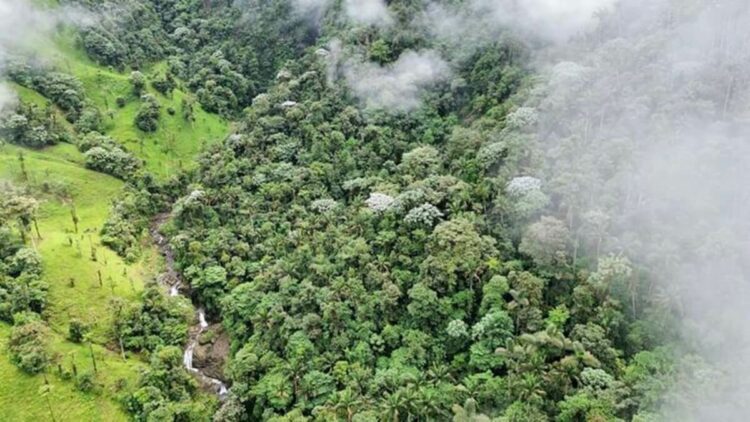
Aerial image of farmland for dairy cattle next to a surviving forest patch (Credit: Dawson White)
CAMBRIDGE, Mass. — In a jaw-dropping study, researchers say that a recent mass extinction event in South America never took place! For 40 years, there has been a long-standing belief about a large-scale plant extinction event in a tropical cloud forest in Ecuador. Now, however, an international team of botanists is questioning if it actually happened like history records it did.
The study, published in Nature Plants and led by Dawson M. White of Harvard University, challenges the concept of “Centinelan extinction” — the idea that deforestation can cause the immediate extinction of plant species known only from a single location.
The story begins in the 1980s when botanists Calaway Dodson and Alwyn Gentry reported that the Centinela ridge in western Ecuador harbored around 90 plant species found nowhere else on Earth. They also claimed that these unique plants had likely gone extinct due to widespread deforestation in the area. This dramatic scenario, dubbed “Centinelan extinction,” became a cautionary tale in conservation biology, highlighting the potential for rapid biodiversity loss in tropical regions.
The new research tells a very different story
By meticulously combing through herbarium records and databases and conducting extensive fieldwork, White and his colleagues found that 99% of the supposedly extinct plants have actually been discovered elsewhere. Only one species, a tiny orchid called Bifrenaria integrilabia, remains known solely from Centinela.
“It’s a miracle,” says White, a postdoctoral researcher in the Department of Organismic and Evolutionary Biology at Harvard, in a media release. “Many of Centinela’s plants are still on the brink of extinction, but fortunately the reports of their demise were exaggerated. There’s still time to save them and turn this story around.”
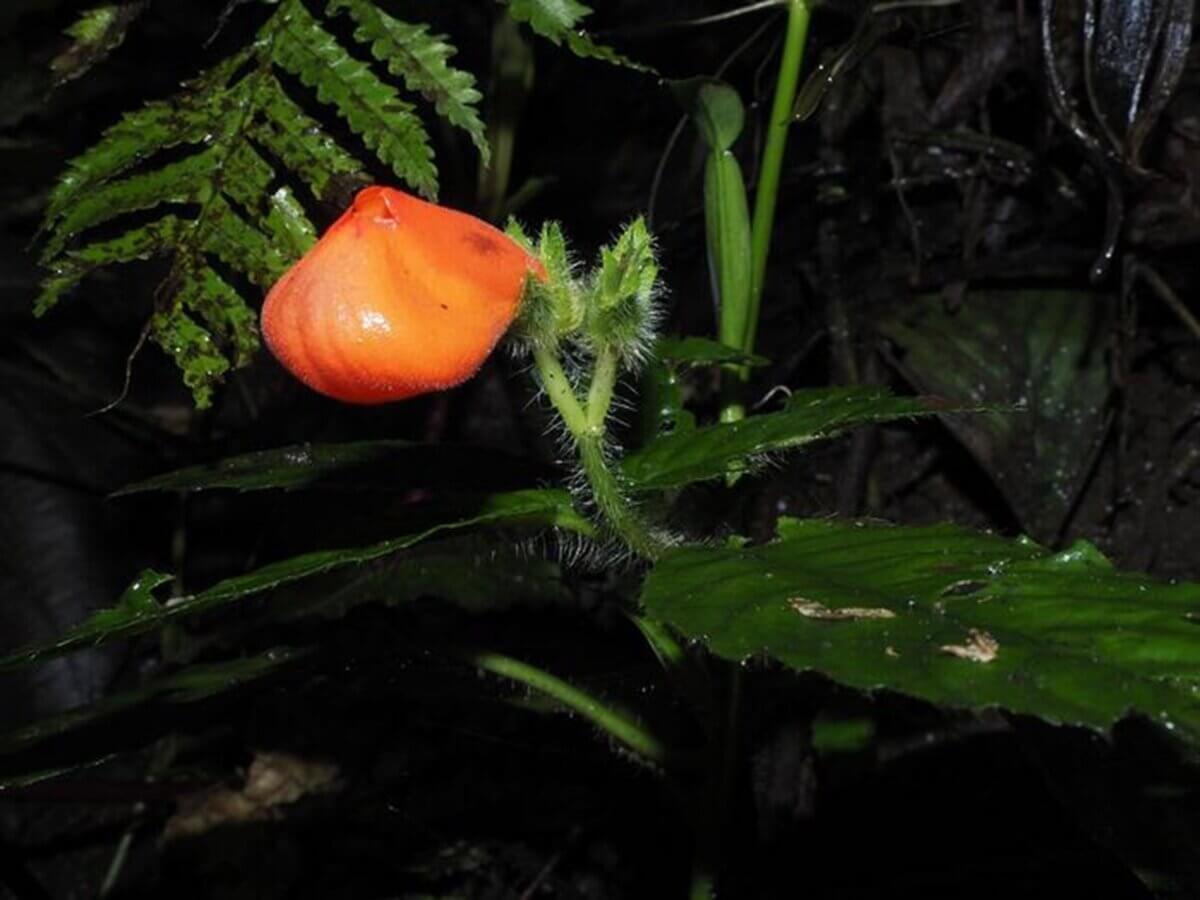 The extant wildflower Gasteranthus extinctus (Credit: Thomas Couvreur)
This finding doesn’t diminish the threat of deforestation to biodiversity. The study reveals that many of these plants are still rare and endangered, with over 150 species qualifying as globally threatened. What it does show is the importance of continued botanical exploration and the resilience of some plant species in the face of habitat loss.
“Understanding which plants are growing in a given Andean cloud forest is a monumental task because you will undoubtedly find new species,” White concludes. “What our investigation highlights is that it takes decades of work from taxonomic experts to describe new species in such forests. And only once we have names for these species that are then noted in our scientific networks can we begin to understand where else these plants grow and their risk of extinction.”
The researchers also made surprising discoveries during their fieldwork. Despite reports of complete deforestation, they found numerous small remnants of the original forest and thousands of mature trees left standing in pastures and ravines. These patches, while fragmented, continue to harbor many of the rare plant species once thought extinct.
Perhaps most excitingly, the team discovered at least eight new plant species during their recent surveys. This highlights that even well-studied tropical areas can still yield botanical surprises and emphasizes the need for ongoing research in these biodiversity hotspots.
“One of our most astonishing discoveries is a totally new species of canopy tree in the Cotton family,” says study co-author Andrea Fernández of Northwestern University and the Chicago Botanic Garden. “It’s one of the tallest trees we have encountered, but it’s extremely rare; there could be only 15 individuals alive in Centinela. It’s now being actively targeted by local loggers, so we are rushing to describe this new tree species and get its seeds growing in botanic gardens.”
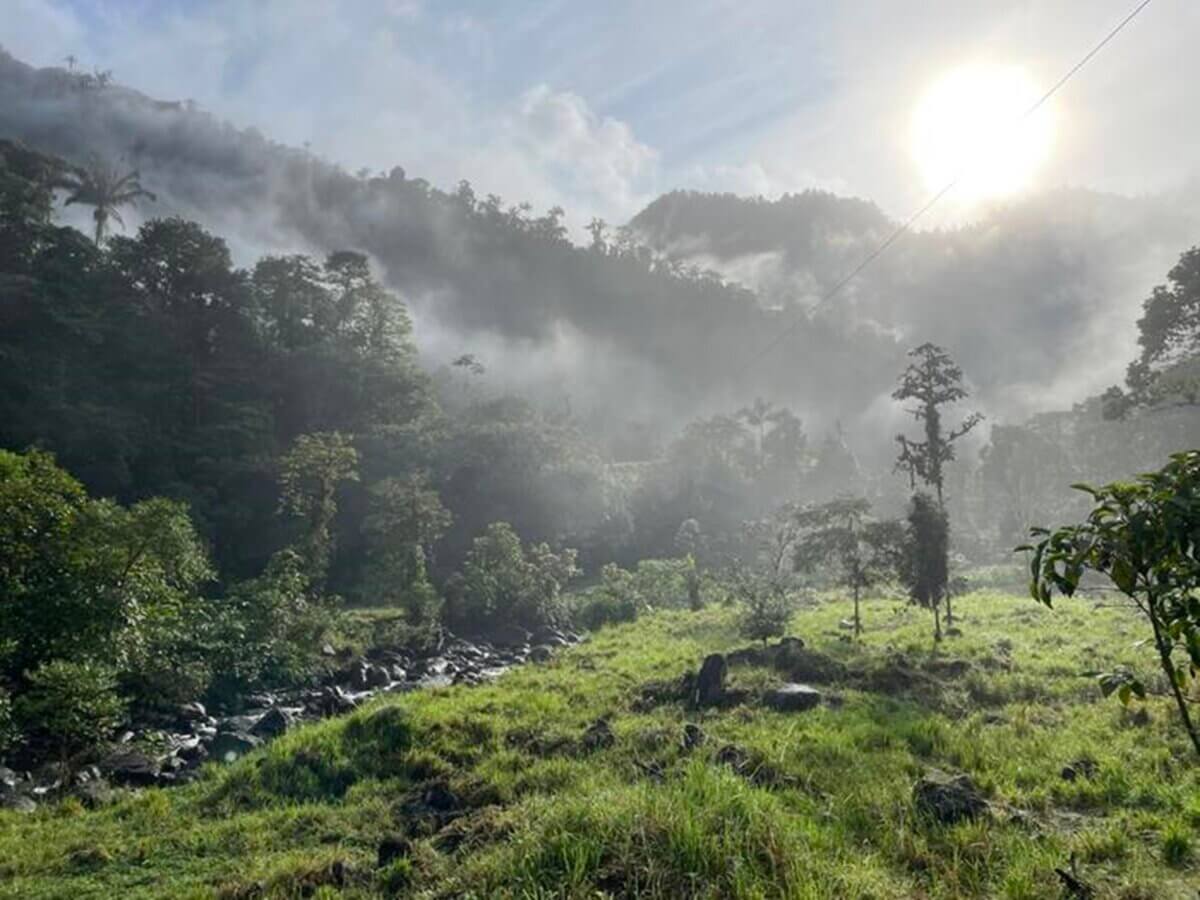 Dawn mist at sunrise under one of the dozen surviving forest fragments in the Centinela region of Ecuador (Credit: Nigel Pitman)
The Centinela case serves as a powerful reminder of the complexities involved in understanding and conserving biodiversity. It underscores the value of persistent scientific investigations and the danger of jumping to conclusions based on limited data. While the immediate extinction threat may have been overstated, the study reinforces the urgent need for conservation efforts in tropical cloud forests, which remain severely threatened by human activities.
This research also highlights the critical role of herbaria — collections of preserved plant specimens — in biodiversity research. By allowing scientists to track plant distributions over time and space, these “libraries of life” provide invaluable data for understanding and protecting Earth’s plant diversity.
“Herbaria give us the fundamental ‘what’ and ‘where’ of plant biodiversity,” notes co-author Juan Guevara from Universidad de Las Américas. “They are what made it possible to solve this mystery. They’re the basis of everything we know about which plants are threatened with extinction.”
“Plants in coastal Ecuador and a lot of other hard-hit places in the tropics are finding a way to hang on in the last nooks and crannies,” concludes co-author Nigel Pitman from the Field Museum of Natural History. “They won’t survive for long under those conditions, but we’ve still got time to act before they’re gone forever.”
Paper Summary
Methodology
The researchers started by creating a comprehensive list of all plant species recorded from Centinela using global databases, herbarium records, and an unpublished 1983 checklist. They then identified 98 species that were originally thought to be found only at Centinela. Using various databases, literature reviews, and expert consultations, they tracked down records of these plants from other locations. The team also conducted new field surveys in the Centinela region, collecting fresh specimens and searching for previously unrecorded species.
Key Results
Of the 98 plant species once thought to be unique to Centinela, 97 have now been found in other locations. Many of these plants occur across a wide range of habitats and elevations, suggesting they are more adaptable than previously believed. The study also revealed that about 23% of Centinela’s plants have relatively small ranges (less than 30,000 km²), and about 3.5% are known from areas less than 500 km². While not as restricted as once thought, many of these species still face significant conservation challenges.
Study Limitations
The study primarily focused on vascular plants and may not reflect patterns in other organism groups. Additionally, while the research shows that many species persist, it doesn’t provide detailed information on population sizes or genetic diversity, which are crucial for long-term species survival.
Discussion & Takeaways
This study challenges the concept of rapid, localized extinctions in tropical forests but reinforces the need for conservation. It demonstrates that even heavily deforested areas can retain significant biodiversity value. The research emphasizes the importance of thorough, long-term botanical surveys and the integration of data from various sources to accurately assess plant distributions and extinction risks.
Funding & Disclosures
The study was supported by various institutions, including the European Research Council, the Field Museum, Harvard University Herbaria, the Mohammed Bin Zayed Species Conservation Fund, and the National Science Foundation. The authors declared no competing interests.
Source link : http://www.bing.com/news/apiclick.aspx?ref=FexRss&aid=&tid=670edfa4c6be4519b4386cdc2afe64a5&url=https%3A%2F%2Fstudyfinds.org%2Fmass-extinction-never-happened%2F&c=2293024913417371302&mkt=en-us
Author :
Publish date : 2024-10-15 05:50:00
Copyright for syndicated content belongs to the linked Source.