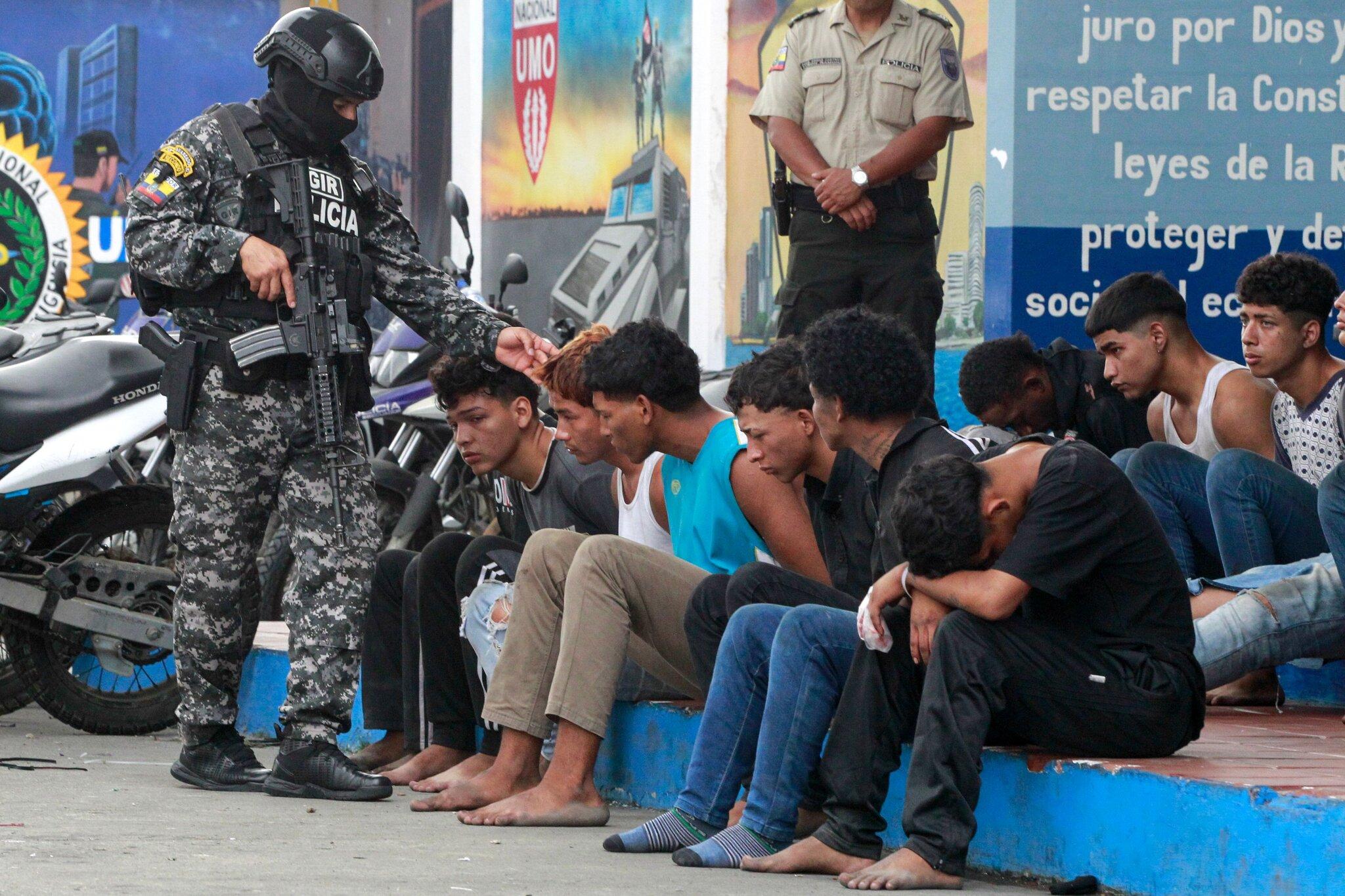
In a significant move aimed at curbing escalating violence and criminal activity, the United States has officially designated Ecuador’s largest gangs as terrorist organizations. This designation, announced by the State Department, underscores the alarming rise in gang-related violence that has plagued the South American nation in recent years. With homicides reaching unprecedented levels and drug trafficking operations expanding, U.S. officials are responding to Ecuador’s escalating crisis by employing counterterrorism measures to assist in stabilizing the region. As Ecuador grapples with the implications of this designation, local leaders and citizens alike are left to navigate the intersection of national security and community safety amid an intensifying battle against organized crime.
Ecuador’s Gang Warfare Declared Terrorism: Implications for National Security
Ecuador’s escalating gang violence has reached a staggering turning point as the U.S. government labels the country’s largest gangs as terrorist organizations. This unprecedented designation not only reflects the dire situation within Ecuador but also holds significant ramifications for the nation’s security landscape. The decision underscores the alarming rise in violence and criminal activity associated with these gangs, which have been implicated in a wave of brutal killings, extortion, and drug trafficking. As the gangs entrench themselves more deeply into the social fabric, the government’s capacity to maintain law and order is severely challenged.
In response to this classification, several key implications for national security emerge:
- International Support: With the U.S. designating these gangs as terrorists, Ecuador may gain access to additional resources, training, and intelligence to combat the growing menace.
- Increased Military Presence: There may be a significant bolstering of military operations aimed at dismantling gang infrastructure, potentially escalating the conflict.
- Legal Framework: A new legal narrative may evolve, allowing for harsher penalties and a more aggressive approach to policing gang activities.
- Local Impact: Civilians could suffer from increased violence as government forces act to reclaim territory controlled by gangs, raising concerns about collateral damage and human rights violations.
| Gang Name | Key Activity | Impact on Security |
|---|---|---|
| Los Choneros | Drug Trafficking | High |
| Los Lobos | Armed Robberies | Medium |
| Los Tiguerones | Extortion | Critical |
Analyzing the Root Causes of Gang Violence in Ecuador
The designation of Ecuador’s largest gangs as terrorist organizations by the U.S. highlights a significant and growing crisis rooted in various interlinked factors. Socio-economic disparities play a crucial role, where high unemployment rates and poverty create a fertile ground for gang recruitment. Additionally, weak law enforcement exacerbates the situation, as corruption within police forces undermines public trust and safety. The absence of effective governance allows these gangs to flourish, leveraging their power and influence over vulnerable communities.
Moreover, the influx of drug trafficking has intensified competition among gangs, leading to violent confrontations. These groups often resort to brutal methods to establish dominance, further destabilizing the regions they inhabit. Factors such as inadequate education, lack of social mobility, and the normalization of violence in certain neighborhoods contribute to the perpetuation of a cycle that ensnares the youth, making gang life appear as the only viable option. Ultimately, it is essential to address these root causes with comprehensive strategies that encompass economic development, community engagement, and improved law enforcement practices to mitigate the ongoing gang violence.
Strategies for International Cooperation and Support in Countering Gang Terrorism
Addressing the escalated threat of gang terrorism requires a multifaceted approach rooted in international cooperation. Countries affected by organized crime must pool resources and share intelligence to effectively tackle these transnational networks. Collaborative efforts can manifest through:
- Joint Task Forces: Establishing multilingual task forces that can operate across borders will enhance operational capabilities and improve response times.
- Intelligence Sharing: Creating secure communication channels for real-time sharing of information on gang activities and movements will help in preemptive actions.
- Capacity Building: Providing training programs and resources to law enforcement agencies in affected nations will strengthen their ability to combat gang-related violence.
Moreover, international partnerships can leverage diplomatic avenues to pressure nations harboring or protecting gang members. Engaging local communities is equally essential; initiatives could include:
- Community Outreach Programs: Initiatives aimed at educating youth about the dangers of gang involvement can diminish recruitment efforts.
- Restorative Justice Models: Fostering dialogues between former gang members and communities can healing and reintegration, reducing recidivism rates.
- Economic Development Projects: Investment in job creation and social services within vulnerable communities can address the root causes of gang affiliation.
In Conclusion
In conclusion, the U.S. government’s designation of Ecuador’s largest gangs as terrorist organizations marks a significant shift in both national and international approaches to combating organized crime in the region. This classification not only underscores the increasing severity of gang-related violence in Ecuador but also highlights the urgent need for collaborative strategies to address the root causes of such entrenched criminal activity. As authorities grapple with the implications of this designation, the ongoing situation will require vigilant monitoring and a nuanced understanding of the broader socio-political landscape. Moving forward, the potential impacts on diplomatic relations, security policy, and public safety strategies will be critical areas to watch as Ecuador navigates this complex challenge.