
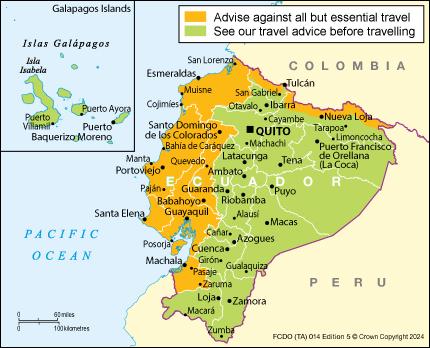
In 2025, Ecuador finds itself at a pivotal crossroads, marked by a complex interplay of socio-political challenges and evolving migration patterns. As the nation grapples with the repercussions of economic instability, rising crime rates, and the lingering impacts of climate change, thousands of its citizens are seeking refuge both within the country and beyond its borders. The U.S. Committee for Refugees and Immigrants (USCRI) has released a detailed assessment illuminating the precarious conditions faced by many Ecuadorians and the implications for U.S. immigration policy. This article delves into the current landscape in Ecuador, exploring the factors driving displacement, the government’s response to these challenges, and the broader humanitarian concerns that resonate through refugee and immigrant communities both at home and in receiving countries. As the situation evolves, understanding the dynamics at play will be crucial for policymakers and advocates striving to ensure protection and support for those in need.
Ecuador’s Evolving Political Landscape and Its Impact on Refugees
The dynamics within Ecuador’s political framework have undergone significant transformations, particularly in recent years, which have pivotal implications for refugees seeking safety and stability. Following the government’s response to escalating social tensions and economic strife, increased political polarization has emerged, which could foster an environment both supportive of and resistant to humanitarian initiatives. Factors contributing to this evolving landscape include:
- Rising Crime Rates: A surge in violence and crime has prompted national discussions about security, sometimes overshadowing the plight of refugees.
- Policy Changes: Shifts in immigration policies often reflect the current administration’s stance on international aid, impacting refugee assistance and settlement.
- Civic Engagement: A growing number of civil society organizations have mobilized to advocate for refugee rights amidst political upheaval.
This complex interplay of political factors poses distinctive challenges for refugees, as their access to resources and services can fluctuate dramatically based on governmental attitudes and local sentiments. Awareness campaigns aimed at promoting community integration and support networks are becoming essential tools in mitigating the socio-political barriers faced by refugees. The following table highlights key aspects of refugee experiences in Ecuador against the backdrop of these political changes:
| Aspect | Current Status | Impact on Refugees |
|---|---|---|
| Legal Framework | Volatile | Challenges in obtaining asylum |
| Public Perception | Mixed | Increased stigmatization |
| International Relations | Uncertain | Potential for shifts in support |
Human Rights Concerns in Ecuador: The Struggles of Displaced Communities
The continuing crisis in Ecuador has generated profound human rights concerns, particularly among displaced communities fleeing violence and instability. Many families have been uprooted from their homes due to escalating conflicts driven by organized crime, political turbulence, and economic hardships. As a result, vulnerable populations such as Indigenous groups, women, and children find themselves facing dire circumstances, marked by increased poverty and a lack of essential services. Displacement often leads to inadequate shelter, food insecurity, and limited access to healthcare, exacerbating the suffering of those affected.
Moreover, the government’s response to the plight of displaced individuals has been criticized for falling short of international standards. Many face bureaucratic hurdles when seeking asylum or refugee status, leaving them in a state of limbo. Humanitarian organizations report that local communities struggle with the influx of displaced persons, leading to tensions and a strain on resources. Notable issues include:
- Inadequate shelter: Many families resort to makeshift housing.
- Limited access to education: Children are particularly affected, with many unable to attend school.
- Healthcare disparities: Displaced populations often lack sufficient medical care.
As these communities navigate the challenges of displacement, it becomes increasingly important for both domestic and international actors to advocate for their rights and provide necessary support. Awareness and action are needed to address the human rights violations that persist within Ecuador’s borders, ensuring that those who have lost everything are not left to fend for themselves.
Navigating the Path to Asylum: Recommendations for U.S. Policy and Support
The asylum process for Ecuadorians seeking refuge in the United States has become increasingly urgent as the country grapples with heightened violence and economic instability. By implementing comprehensive reforms, the U.S. can better align its asylum policies with the realities faced by those fleeing Ecuador. Key recommendations include:
- Streamlining Asylum Procedures: Reducing processing times and increasing staff dedicated to asylum applications will help address the backlog and ensure timely responses.
- Enhanced Legal Support: Providing legal resources and assistance for Ecuadorians navigating the asylum system is crucial for fair outcomes.
- Country-Specific Training: Offering specialized training for immigration officials on Ecuador’s socio-political landscape can foster a more empathetic review of claims.
Furthermore, collaboration with NGOs and community organizations can facilitate smoother transitions for asylum seekers. Establishing protocols that prioritize mental health support and cultural integration programs can also significantly improve the resettlement experience. The table below outlines potential U.S. program initiatives to enhance the support system for Ecuadorian asylum seekers:
| Program Initiative | Description |
|---|---|
| Cultural Orientation Workshops | Workshops to help asylum seekers understand U.S. laws and customs. |
| Mental Health Services | Access to counseling and mental health resources for trauma healing. |
| Job Training Programs | Skills development and employment readiness for the workforce. |
In Retrospect
In conclusion, the 2025 country conditions report for Ecuador, compiled by the U.S. Committee for Refugees and Immigrants, paints a complex portrait of a nation grappling with economic challenges, political instability, and significant social issues. As Ecuadorians continue to navigate these turbulent waters, the implications for human rights and migration patterns remain profound. For those considering refuge or resettlement, the conditions highlighted in this report underscore the ongoing need for international support and humanitarian assistance. As the global community keeps a close watch on Ecuador’s evolving situation, policymakers and aid organizations must remain vigilant in their efforts to address the underlying issues and protect the rights of those seeking safety and stability. The unfolding story of Ecuador reminds us of the resilience of its people and the critical importance of solidarity in times of crisis.











