
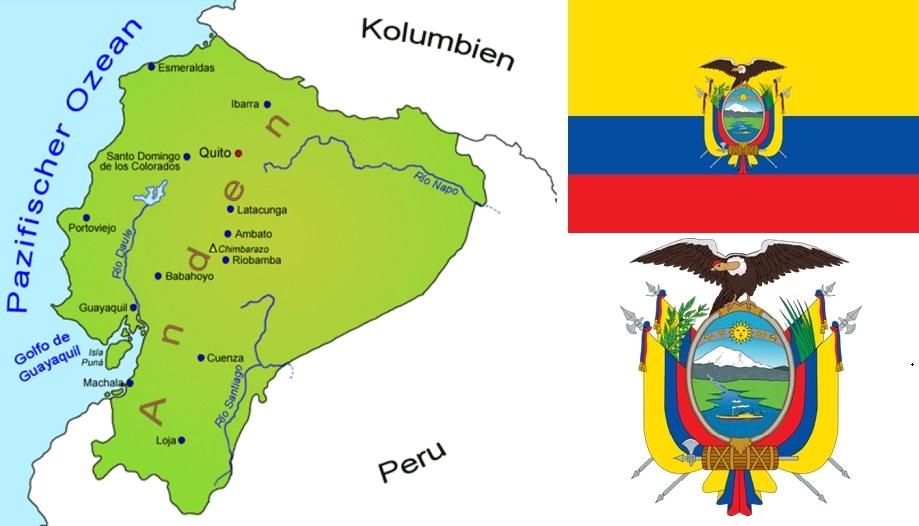
Ecuador: A Tapestry of Tropical Diversity and Andean Majesty
Ecuador, a South American gem straddling the equator, captivates with its stunning array of landscapes, from lush tropical rainforests to majestic Andean peaks and pristine coastal beaches. This nation, rich in biodiversity and cultural heritage, boasts a unique geographic configuration that offers both the warmth of the tropics and the cool serenity of high altitudes. In an era where environmental concerns and cultural preservation are paramount, Ecuador stands at the forefront of global attention. With its vibrant ecosystems and dynamic communities, the country is not only a haven for eco-tourism but also a crucial participant in the conversation about sustainable development. As we explore the multifaceted regions of Ecuador-from the Amazon’s verdant depths to the dramatic heights of the Andes and the tranquil shores of the Pacific-this article delves into what makes Ecuador a microcosm of life itself.
Exploring Ecuador’s Diverse Ecosystems from Tropical Rainforests to Coastal Shores
Ecuador is a microcosm of biodiversity, showcasing a stunning range of ecosystems that transition seamlessly from the dense, vibrant canopies of tropical rainforests to the tranquil, sun-soaked shores of its coastal regions. The Amazon Rainforest, teeming with life, harbors an incredible array of flora and fauna, including endemic species found nowhere else on earth. Visitors can immerse themselves in the lush greenery, where they may encounter:
- Jaguar – Ecuador’s elusive apex predator.
- Poison Dart Frogs – Vibrant amphibians that boast powerful toxins.
- Orchids – Over 4,500 species, showcasing nature’s artistry.
Transitioning towards the coast, the landscape starkly changes, revealing sandy beaches and vibrant marine ecosystems. Areas such as the Galápagos Islands offer unparalleled wildlife encounters and are pivotal for conservation studies. Here, visitors can appreciate the unique equilibrium of terrestrial and marine habitats, home to species like the iconic:
- Giant Tortoise – A symbol of the islands’ diverse life.
- Marine Iguana – The only modern lizard that has adapted to the ocean.
- Blue-footed Booby – Known for their striking coloration and courtship dances.
Unearthing Cultural Riches: Indigenous Heritage and Modern Influences in the Andes
The Andes mountains stand as a testament to the rich tapestry of Indigenous cultures that have flourished in Ecuador for millennia. These communities have maintained their traditions through generations, weaving a narrative of resilience and identity. Among the most notable influences are the Quichua and Shuar peoples, whose customs and languages contribute significantly to the region’s cultural diversity. Their vibrant textiles, intricate pottery, and unique agricultural practices not only reflect their ancestral heritage but also serve as a source of pride and economic sustenance.
In recent years, modern influences have begun to permeate these age-old traditions, as younger generations blend contemporary ideas with their cultural roots. This fusion has given rise to new artistic expressions, culinary innovations, and sustainable tourism practices that honor Indigenous wisdom while appealing to a global audience. Key aspects of this cultural dialogue include:
- Artisanal Craftsmanship: Merging traditional techniques with modern aesthetics.
- Culinary Fusions: Incorporating Indigenous ingredients into contemporary dishes.
- Sustainable Tourism: Development of eco-friendly practices that respect local cultures and environments.
| Aspect | Traditional Influence | Modern Adaptation |
|---|---|---|
| Textiles | Handwoven by local artisans | Contemporary design trends |
| Cuisine | Utilizes local ingredients like quinoa | Global fusion dishes |
| Tours | Cultural heritage experiences | Adventure tourism packages |
Travel Tips for Adventurers: Must-Visit Destinations and Sustainable Practices in Ecuador
For the adventurous traveler, Ecuador boasts a plethora of stunning destinations and activities that cater to both thrill-seekers and eco-conscious explorers. In the Amazon rainforest, you can embark on guided treks to discover the incredible biodiversity that thrives in this lush ecosystem. The enchanting Galápagos Islands offer opportunities for unique wildlife encounters and snorkeling in crystal-clear waters. For those looking to experience the Andean culture, a hike up to the historic ruins of Ingapirca provides insight into Ecuador’s rich history, as well as breathtaking mountain vistas.
As you embark on your Ecuadorian adventure, incorporating sustainable practices can significantly impact local environments and communities. Here are some essential tips for responsible travel:
- Choose Eco-Friendly Accommodations: Look for hotels and lodges that adhere to sustainable practices.
- Support Local Communities: Purchase crafts and food from indigenous vendors to help bolster their economies.
- Minimize Waste: Carry a reusable water bottle and utensils to reduce plastic consumption.
- Respect Wildlife: Observe animals from a distance, and never feed or disturb them.
Insights and Conclusions
In conclusion, Ecuador’s dynamic geography, marked by its lush tropical forests, stunning coastal shores, and majestic Andes mountains, offers an unparalleled tapestry of natural beauty and cultural richness. From the vibrant ecosystems of the Amazon to the breathtaking peaks of the highlands, the country’s diverse landscapes not only shape its flora and fauna but also influence the livelihoods and traditions of its people. As Ecuador continues to navigate the challenges of modern development, the interplay between preserving its unique environments and fostering economic growth will be crucial in defining the nation’s future. As highlighted in the latest from Britannica, Ecuador stands as a testament to the profound connection between nature and culture, inviting travelers and scholars alike to explore its many wonders.











