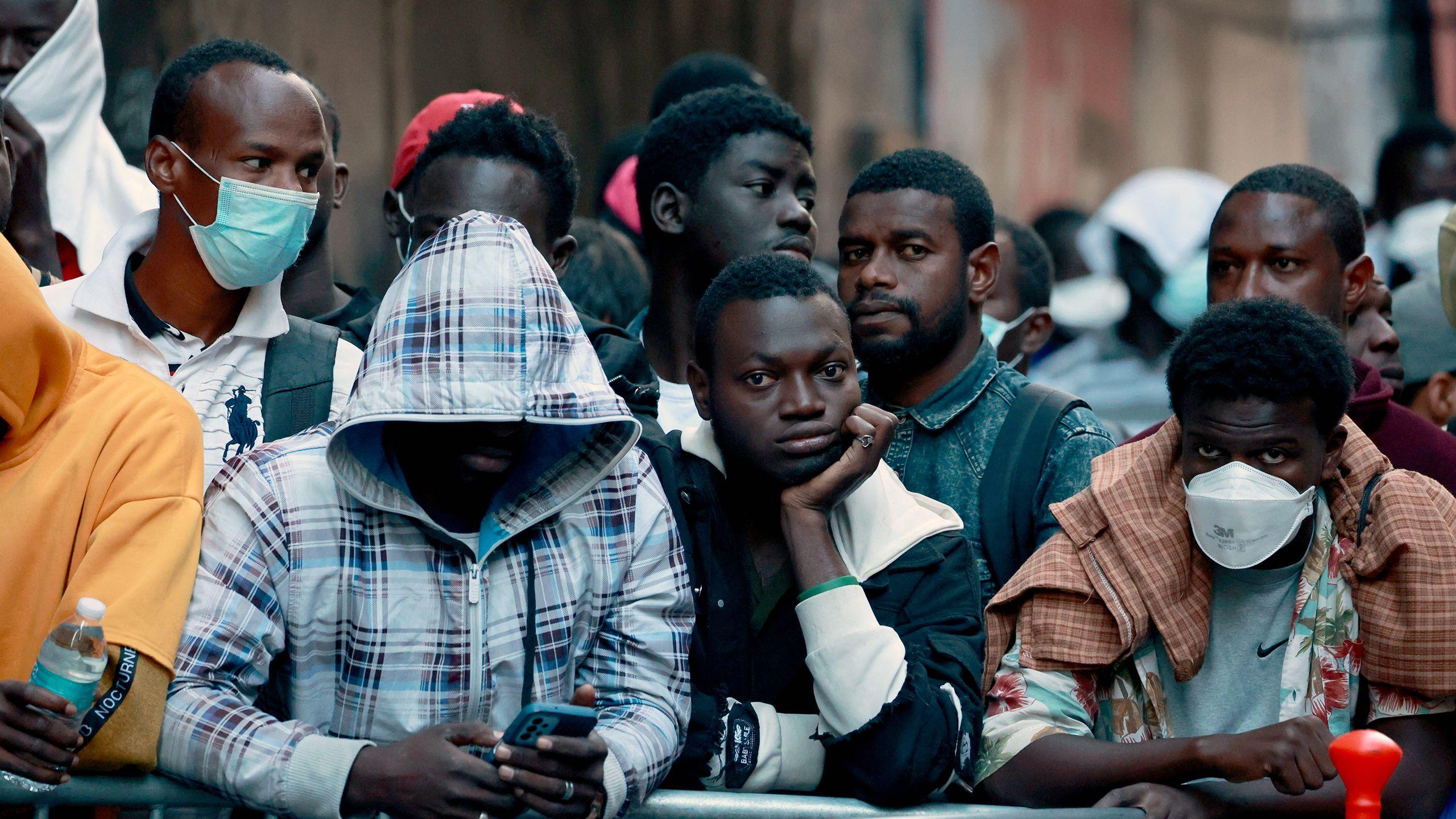
In a strategic move aimed at addressing the ongoing crisis of migration in the Americas, the United States is actively negotiating an agreement with Ecuador to facilitate the resettlement of asylum seekers within the South American nation. This initiative, reported by CNN, comes amid rising concerns over the influx of migrants at the U.S. border, as the Biden administration seeks to bolster regional partnerships to manage and mitigate the challenges posed by forced displacement. The proposed agreement reflects a broader shift in U.S. foreign policy, emphasizing collaboration with Central and South American countries to create humanitarian pathways and reinforce regional stability. As discussions progress, the implications for both Ecuador and individuals seeking refuge remain critical to understanding the future landscape of migration in the region.
US and Ecuador Forge Asylum Agreement Amid Growing Migration Pressures
In a significant step to address the escalating challenges of migration, the United States and Ecuador have announced a collaborative agreement aimed at managing the influx of asylum seekers. This arrangement, designed to bolster regional stability, will allow individuals attempting to seek refuge in the U.S. to be redirected to Ecuador for their claims. The move comes as both countries face mounting pressure from increasing numbers of migrants, driven by various factors including economic hardship and political instability in the region.
The asylum deal outlines several key provisions intended to streamline the process for individuals looking to claim asylum. Among these provisions are:
- Shared Processing Centers: Joint facilities in Ecuador to handle applications.
- Legal Assistance: Provision of resources for legal aid to asylum seekers.
- Enhanced Safety Protocols: Measures to ensure the safety of migrants during their transition.
This agreement not only aims to alleviate the strain on U.S. border facilities but also empowers Ecuador as a regional partner in asylum processing, potentially transforming its role within the context of international migration dynamics.
Impact on Asylum Seekers: What the New Deal Means for Vulnerable Populations
The recent agreement between the United States and Ecuador raises significant concerns about the implications for asylum seekers. This initiative potentially shifts the burden of accommodating vulnerable populations to Ecuador, a country that has faced its own economic challenges and social issues. Critics argue that this deal might lead to an increased risk of human rights violations, as asylum seekers may find themselves in precarious conditions with limited resources and support. Many fear that this could result in unsafe environments, where their claims for asylum are not adequately addressed or protected.
Moreover, the operational aspects of this arrangement expose asylum seekers to a complex legal landscape. As they navigate this unfamiliar territory, they may encounter barriers such as language difficulties, lack of access to legal counsel, and insufficient shelters. It’s crucial to consider the potential psychological impact on individuals being transported to another country without proper support systems in place. The following table summarizes some of the challenges asylum seekers may face under this new deal:
| Challenge | Description |
|---|---|
| Legal Barriers | Difficulty in understanding Ecuador’s asylum process. |
| Resource Limitations | Limited access to basic needs such as food, shelter, and medical care. |
| Psychosocial Issues | Increased anxiety and trauma from displacement and uncertainty. |
Policy Implications and Recommendations for Sustainable Migration Solutions
As the United States negotiates an agreement with Ecuador to transfer asylum seekers, it is imperative to consider the broader implications of such policies on both countries. Sustainable migration solutions must prioritize humane treatment and the rights of asylum seekers while addressing the underlying causes of migration. Key recommendations include:
- Strengthening Legal Frameworks: Both nations should enhance legal protections for migrants, ensuring that their rights are upheld regardless of their immigration status.
- Collaborative International Efforts: Engage other countries in the region to develop comprehensive strategies that address the root causes of migration, such as violence, poverty, and political instability.
- Promoting Economic Opportunities: Invest in development programs in both Ecuador and the home countries of asylum seekers to reduce the need for migration as a survival strategy.
The potential agreement presents an opportunity to reframe the narrative around asylum seekers by shifting focus from containment to cooperation. Implementation of robust support systems is essential for integrating migrants into local communities while maintaining public safety and welfare. Recommendations for policymakers include:
- Community Engagement Initiatives: Facilitate programs that foster understanding and help communities integrate newcomers, promoting social cohesion.
- Monitoring and Accountability: Establish transparent mechanisms to regularly evaluate the impact of these policies on asylum seekers’ welfare and community responses.
- Public Awareness Campaigns: Educate the public on the rights and needs of migrants to combat misinformation and societal resistance.
In Retrospect
In conclusion, the ongoing discussions between the United States and Ecuador regarding the potential agreement to send asylum seekers to the South American nation marks a significant development in immigration policy and international cooperation. As both countries navigate the complexities of the asylum process and regional migration challenges, the outcome of these negotiations could reshape the dynamics of refugee assistance and burden-sharing in the Western Hemisphere. Stakeholders, including humanitarian organizations and migrants themselves, will be closely watching the progression of this agreement, as its implications extend beyond borders and speak to broader themes of solidarity and responsibility in addressing global displacement. As the situation evolves, it remains crucial for policymakers to ensure that any agreements uphold the rights and dignity of those seeking refuge from persecution and violence. The path forward will require careful balancing of national interests with a commitment to humanitarian principles.