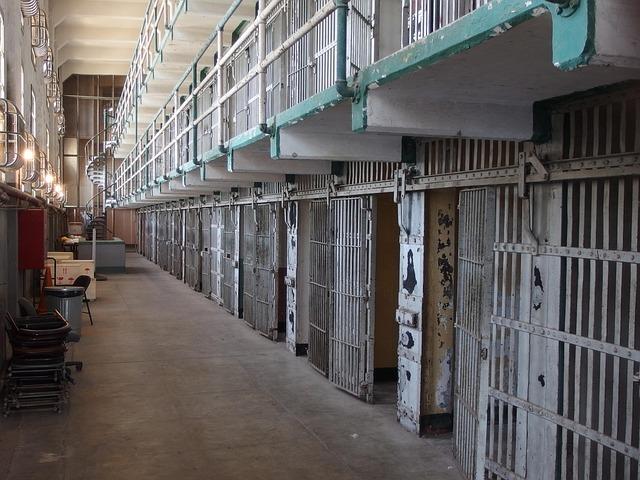
In a chilling exploration of the realities facing many Salvadorans today, “You Are All Terrorists: Four Months in a Salvadoran Prison” by The New York Times delves into the grim experiences of individuals caught in the crosshairs of a controversial anti-gang strategy. As the Salvadoran government intensifies its crackdown on criminal organizations, thousands of citizens have been swept up in mass arrests, prompting widespread fears of human rights violations and the erosion of civil liberties. This article provides a harrowing account of life behind bars, revealing the psychological toll and systemic injustices endured by those labeled as ‘terrorists’ in a desperate bid for security. Through firsthand testimonies and detailed reporting, it uncovers the deeply personal stories of resilience and despair within a country grappling with violence and repression.
Examining Human Rights Violations in Salvadoran Prisons
In recent months, the conditions within Salvadoran prisons have garnered international scrutiny, prompting a closer look at the systemic issues that have led to widespread human rights violations. Reports have surfaced indicating that thousands of individuals, often detained under the guise of anti-gang operations, have suffered inhumane treatment, overcrowding, and a lack of basic necessities. Many inmates find themselves deprived of adequate food, medical attention, and sanitation, raising serious ethical questions about the treatment of incarcerated individuals in a system purportedly aimed at enhancing public safety. Key concerns include:
- Overcrowding: Facilities operating at double or triple their capacity, leading to unsafe living conditions.
- Lack of Medical Care: Inmates reporting untreated ailments and inadequate healthcare services.
- Physical Abuse: Allegations of severe beatings and torture by prison staff and gangs within the facilities.
Furthermore, the Salvadoran government’s aggressive stance against suspected gang members has led to a pervasive culture of fear and oppression, where individuals are quickly labeled as “terrorists” without due process. This shift in policy has disproportionately affected vulnerable populations, including youth and low-income individuals, who may find themselves erroneously swept up in mass arrests. An alarming trend emerges from interviews with former inmates, revealing a shared experience of psychological trauma resulting from their time in custody. While the state justifies its actions as necessary for combating crime, the human cost continues to provoke outrage both domestically and abroad:
| Violation Type | Reported Cases (2023) |
|---|---|
| Overcrowding | Estimated 23,000 inmates in facilities built for 10,000 |
| Medical Neglect | Over 5,000 cases reported |
| Physical Abuse | More than 1,500 verified incidents |
Understanding the Impact of Government Policies on Incarceration
The relationship between government policies and incarceration rates is complex and often fraught with controversy. In El Salvador, the government’s aggressive stance on crime, particularly related to gang violence, has led to sweeping measures that prioritize mass incarceration over rehabilitation. Policies such as the extraordinary state of emergency have facilitated the detention of tens of thousands of individuals based on minimal evidence, often stoking fears that entire communities are being wrongfully targeted. This approach raises critical questions about the balance between public safety and civil liberties, with many experts arguing that such heavy-handed tactics may exacerbate rather than alleviate social tensions.
Moreover, the long-term implications of these policies can be seen not only in overcrowded prison systems but also in the normalcy of fear surrounding governmental powers. A closer examination of the incarceration landscape reveals certain patterns, such as:
- Increased incarceration rates: The number of inmates has skyrocketed since the introduction of stringent policies.
- Criminalization of poverty: Many of those imprisoned are from marginalized communities, often arrested for minor infractions or without substantial evidence.
- Human rights concerns: Reports of mistreatment in prisons raise alarms from international human rights organizations, reflecting broader issues of accountability.
The tensions created by these policies also reveal a deeper societal divide, whereby the legitimacy of government actions comes into question. As El Salvador grapples with the implications of its current strategies, the discourse surrounding effective crime control versus the rights of individuals continues to evolve, highlighting the need for a more nuanced approach that considers both safety and social justice.
Advocating for Reform: Bridging the Gap Between Justice and Humanity
In the shadow of human rights violations, the voices echoing from within El Salvador’s overcrowded prisons tell a story not just of punishment but of a systemic failure to uphold the principles of justice and humanity. The recent account from a Salvadoran prison reveals harrowing conditions where inmates, many of whom are detained without adequate evidence and accused merely by association, experience dehumanization that exacerbates societal divides. The narratives of these individuals, reduced to mere numbers, highlight the urgent need for a comprehensive review of laws and policies governing crime and punishment. Advocating for reform becomes not just a legal necessity but a moral imperative to restore dignity and ensure that justice is equitable.
Key areas of reform must include:
- Decriminalization of minor offenses: Shifting from punitive measures to a rehabilitative approach.
- Transparency in the legal process: Ensuring that detainees have access to fair trials and legal representation.
- Improving prison conditions: Addressing overcrowding, sanitation, and healthcare to uphold human rights.
This pivotal moment calls for a bridge to be built between stringent laws and the humane treatment of individuals, reminding us that the fight against crime should not come at the expense of human rights. Only through acknowledging the humanity of every individual can a just society be realized.
To Conclude
As the dust begins to settle on the unprecedented wave of arrests in El Salvador, the experiences shared by those imprisoned highlight not just the human cost of the country’s fight against gang violence, but also the broader implications for justice and civil rights. The allegations that ordinary citizens have been swept up in a sweeping crackdown raise critical questions about accountability and the balance between security and liberty. With stories of inhumane conditions and the erosion of legal protections, the plight of these individuals serves as a stark reminder of the complexities surrounding state response to crime. As El Salvador remains at a crossroads, the narratives from within its prisons echo a pressing need for dialogue and reform, urging both national and international observers to seek a path that respects human dignity while ensuring safety for all. The journey for justice continues, but the voices from these darkened halls demand to be heard.