Title: Examining the Shadows: El Salvador’s CECOT Prison and the US’s School of the Americas
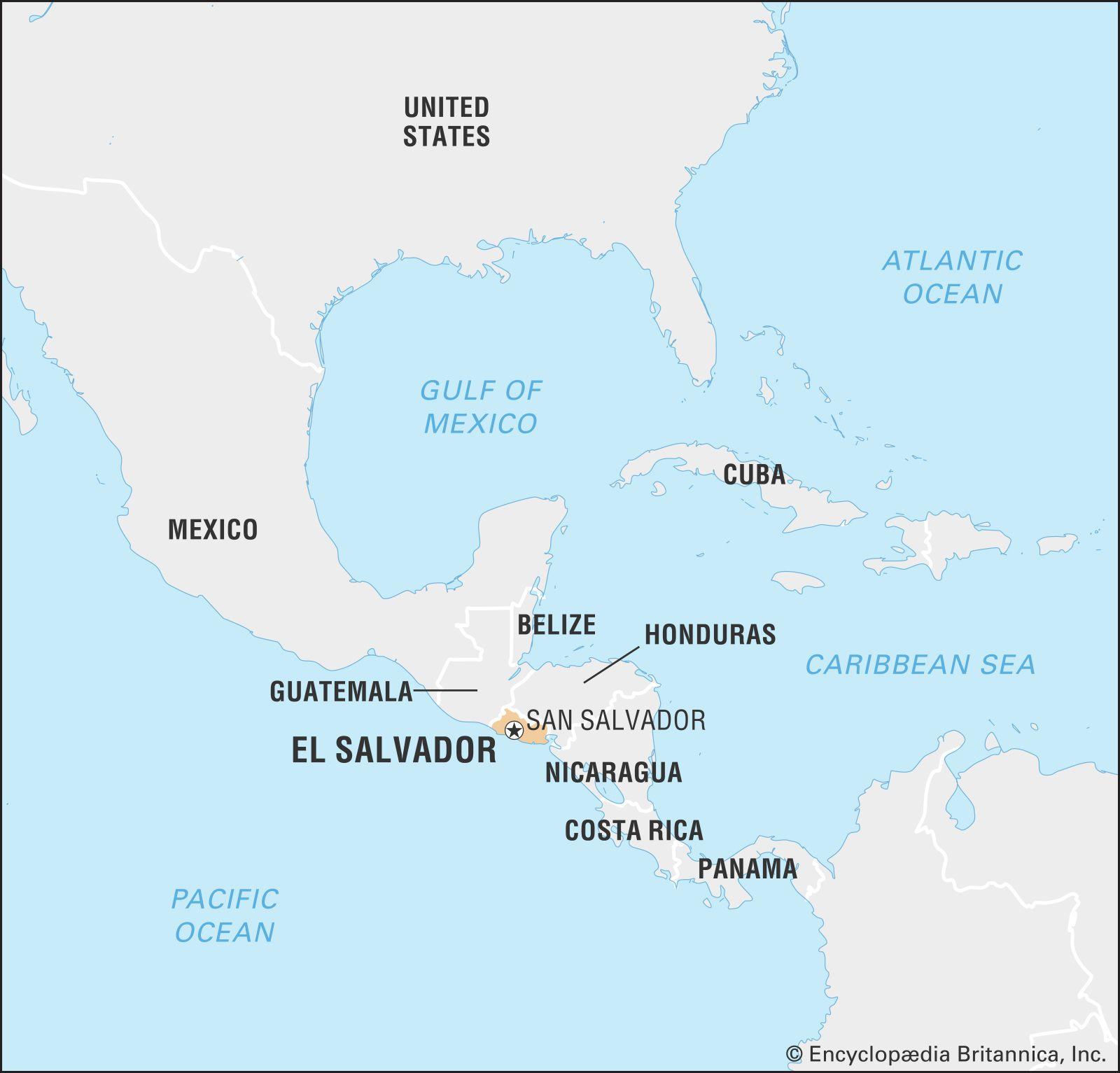
In recent years, El Salvador has garnered international attention for its controversial approach to crime and violence, particularly through the establishment of the Centro de Confinamiento del Terrorismo (CECOT), a high-security prison designed to house the nation’s most notorious gang members. This facility, which symbolizes the government’s hardline stance on crime, raises pressing questions about human rights and the efficacy of punitive measures in addressing systemic violence. Compounding the complexities of El Salvador’s security landscape is the historical legacy of U.S. influence in the region, most notably through the School of the Americas, an institution synonymous with military training that has often been criticized for its role in fostering repressive regimes and practices. This article seeks to explore the interplay between the CECOT prison, the policies derived from the School of the Americas, and their implications for the future of security, governance, and human rights in El Salvador.
El Salvador’s CECOT Prison: A Controversial Approach to Crime and Punishment
El Salvador’s CECOT prison stands at the intersection of a controversial approach to crime control and a reflection of the country’s turbulent past. As the government intensifies its crackdown on gang violence, the prison has become a symbol of both hope and fear among Salvadorans. Designed to hold thousands of inmates, CECOT employs harsh disciplinary measures and a zero-tolerance policy towards gang activity. Critics argue that this approach undermines human rights, as many detainees are carried off merely for their associations, increasing the risk of innocent individuals being swept into the system. Advocates, however, claim that such tough measures are necessary to restore peace in a nation plagued by crime.
The connection between CECOT and the US’s School of the Americas adds another layer of complexity to this narrative. The training center, historically linked with controversial military tactics, has drawn parallels with the methods being employed at CECOT. Key elements of the prison’s operations include:
- Enhanced surveillance systems
- Recruitment of aggressive guards with military backgrounds
- Psychological suppression techniques to maintain control
These practices raise questions about the ethical implications of adopting military-style strategies within the criminal justice system, blurring the lines between rehabilitation and punishment. A deeper analysis reveals a troubling trend where security measures take precedence over the fundamental rights of individuals, suggesting that CECOT may not only be a prison, but also a stark reminder of a continuing cycle of violence within the country.
The Legacy of the US School of the Americas and Its Impact on Central American Security
The US School of the Americas, established in 1946, has long been a controversial institution, particularly regarding its influence on military and police forces in Central America. Throughout the decades, the school has been linked to a number of human rights abuses and authoritarian practices that contributed to instability within the region. Graduates of the school, often referred to as graduates of a “school for dictators,” held positions of power during tumultuous periods in their home countries, including El Salvador. This association has left a lasting mark on Central American security policies, fostering a culture where military solutions took precedence over democratic governance and civilian oversight.
One of the most notable examples is the transformation of CECOT prison, a facility often criticized for its harsh conditions and allegations of torture. The legacy of military training and operational tactics taught at the US School of the Americas can be seen reflected in the practices of Salvadoran security forces. Key points include:
- Militarization of security forces: A shift towards military-led policing in lieu of community-based approaches.
- Human rights violations: Numerous reports documenting abuse stemming from tactics learned at the school.
- Political repression: The use of intimidation against opposition groups and political dissidents.
This ongoing legacy stirs debate regarding the balance between maintaining order and respecting human rights, raising urgent questions about the future of Central America’s security landscape amidst the shadows of past interventions.
Addressing Human Rights Concerns: Recommendations for Reforming El Salvador’s Criminal Justice System
The need for reform in El Salvador’s criminal justice system has become increasingly apparent, especially given the troubling conditions within the CECOT prison and the legacy of the U.S. School of the Americas in training military personnel. Recommendations for addressing human rights concerns must prioritize transparency, accountability, and rehabilitation. Key measures could include:
- Independent Oversight: Establishing an independent commission to monitor prisons, ensuring compliance with international human rights standards.
- Decarceration Strategies: Implementing alternatives to incarceration for non-violent offenders to alleviate overcrowding and improve conditions.
- Enhanced Training: Providing comprehensive human rights training for law enforcement and correctional staff, ensuring they understand and respect the rights of detainees.
- Community-Based Programs: Investing in community-led rehabilitation initiatives to support reintegration and reduce recidivism.
Additionally, fostering dialogue between the government, civil society, and international organizations is essential to aligning domestic policies with global human rights norms. Regular reports on the status of human rights within the justice system can help track progress and guide future reforms. A proposed framework could include:
| Key Area | Proposed Action |
|---|---|
| Prison Conditions | Regular assessments and needed infrastructure improvements |
| Legal Representation | Ensuring access to fair legal counsel for all detainees |
| Public Awareness | Campaigns to educate citizens on their rights and improvements |
In Conclusion
In conclusion, the juxtaposition of El Salvador’s CECOT prison and the operations of the US’s School of the Americas underscores a complex and often controversial relationship between security, militarization, and human rights in the region. While the Salvadoran government seeks to combat rampant violence and gang influence, the methods employed-especially within prison systems-raise critical concerns regarding the treatment of inmates and the overall efficacy of such approaches. As the international community watches closely, the implications of these policies extend far beyond Salvadoran borders, inviting a broader discourse on the intersection of U.S. foreign policy, regional stability, and the ongoing struggle for justice in Central America. The path forward remains uncertain, demanding a careful reassessment of strategies that prioritize both security and respect for human rights. The dialogue surrounding these issues will undoubtedly shape the future of El Salvador and its relationship with the United States for years to come.