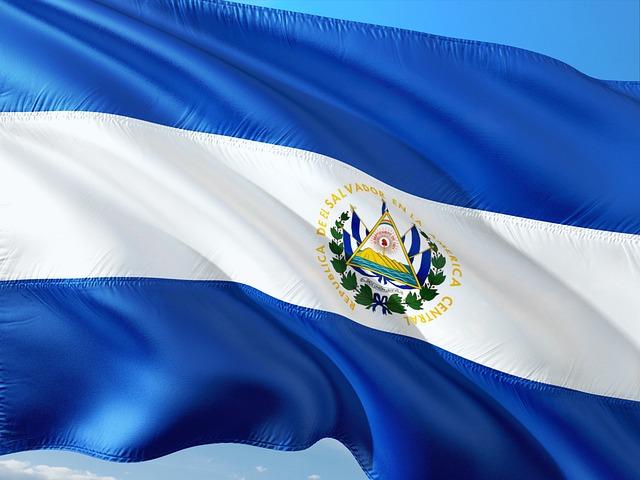
In recent years, El Salvador has emerged as a focal point in U.S. foreign policy discussions, largely due to the controversial leadership of President Nayib Bukele. While his administration has garnered attention for its ambitious cryptocurrency initiatives and unorthodox governance, a lesser-known aspect of his tenure is his relationship with former President Donald Trump. This article delves into the strategic motivations behind Bukele’s overtures towards the Trump administration, exploring how this alliance may have been shaped by geopolitical interests, economic ambitions, and the complex dynamics of Central American politics. As both leaders navigated their respective domestic challenges, their interactions offered a glimpse into the shifting landscape of international relations in the region-one that continues to impact El Salvador’s future trajectory.
El Salvador’s Geopolitical Shift: Understanding Bukele’s Alliance with Trump
In recent months, El Salvador’s President Nayib Bukele has taken significant steps to align his government more closely with former President Donald Trump’s administration, marking a notable shift in the country’s geopolitical stance. This alliance appears to be driven by a combination of economic interests and national security concerns, as Bukele seeks to leverage the relationship for both financial aid and political legitimacy. The potential benefits include:
- Increased Foreign Investment: By courting the Trump administration, Bukele hopes to attract American businesses that could bolster the Salvadoran economy.
- Security Assistance: The partnership offers the promise of heightened U.S. support in combating gang violence, a critical issue in El Salvador.
- Political Cover: Aligning with a powerful figure like Trump may provide Bukele with international backing amid criticisms of his authoritarian tendencies.
Moreover, this geopolitical shift reflects a broader trend among Latin American leaders seeking to forge strategic alliances in a rapidly changing global landscape. Bukele has capitalized on the existing anti-immigrant sentiments prevalent in Trump’s policies, positioning El Salvador as a partner in addressing illegal migration to the U.S. This has led to:
| Strategic Focus | Implications |
|---|---|
| Cooperation on Immigration | Potential decreases in migrant flows from El Salvador to the U.S. |
| Economic Aid | Increased funding for infrastructure and job creation initiatives. |
| Political Loyalty | Strengthened diplomatic ties with right-leaning governments. |
Economic Promises and Political Gain: The Motivations Behind Bukele’s Outreach
Nayib Bukele’s strategic alignment with Donald Trump underscores a broader political tactic aimed at revitalizing El Salvador’s economy through foreign investment and assistance. His administration has been vocal about the need to attract significant funds to address the nation’s long-standing economic challenges, characterized by high unemployment rates and rampant violence. By fostering a relationship with the former U.S. President, Bukele is not just seeking a diplomatic ally; he is positioning El Salvador as a frontier for U.S. investments, banking on Trump’s “America First” policy to draw attention and resources away from other LatAm countries. This outreach is grounded in a promise to curb illegal immigration by creating more job opportunities at home, hence satisfying both nations’ political needs.
However, beneath this veneer of economic pragmatism lies a calculated move to bolster Bukele’s political standing. By showcasing his ability to secure favorable policies from a powerful ally, he strengthens his domestic position and consolidates voter support. Bukele’s government has funded numerous programs aimed at improving infrastructure and public safety, which he attributes to the partnership with Trump. These initiatives can be summarized as follows:
| Initiative | Description |
|---|---|
| Job Creation Programs | Initiatives to stimulate local economies through new business investments. |
| Infrastructure Development | Upgrades to roads, healthcare facilities, and public utilities. |
| Security Measures | Programs targeting crime reduction and enhancing law enforcement resources. |
Through this multifaceted approach, Bukele not only aims to improve conditions in El Salvador but simultaneously crafts a legacy that elevates his administration’s international reputation. As he works to balance these economic promises with greater political ambitions, the implications for El Salvador’s future and its relationship with the U.S. remain to be seen.
Implications for Democracy: Assessing the Risks of Bukele’s Autocratic Tendencies
The escalating autocratic tendencies exhibited by Nayib Bukele in El Salvador raise serious questions regarding the future of democracy in the nation. His leadership style, characterized by a significant concentration of power, blends populist sentiment with a disregard for traditional checks and balances. This shift not only undermines democratic institutions but also poses risks to civil liberties, as Bukele has consistently shown a willingness to bypass legislative processes and undermine the judiciary. Observers note that his increasingly authoritarian approach exhibits parallels with other global leaders who have diminished democratic norms in the name of stability or public security.
Moreover, Bukele’s close ties with Donald Trump and his administration signal a troubling alignment with populist, right-wing movements worldwide. The ramifications for democracy extend beyond El Salvador’s borders, as Bukele’s actions can have a ripple effect across Central America and the wider region. Critics point to several key elements of his governance that threaten democratic integrity:
- Erosion of media freedom: Legislative measures aimed at controlling narratives.
- Manipulation of judicial independence: Efforts to influence court decisions.
- Suppression of dissent: Harassment of activists and journalists.
| Aspect | Consequence |
|---|---|
| Concentration of Power | Weakening of democratic institutions |
| Media Control | Loss of public discourse and accountability |
| Judicial Interference | Impairment of fairness in governance |
Final Thoughts
As El Salvador navigates the complex waters of international diplomacy, the relationship between President Nayib Bukele and former President Donald Trump underscores the multifaceted nature of modern politics. While the apparent alignment between the two leaders may seem rooted in personal rapport, it is clear that economic interests, regional stability, and domestic political maneuvering are at play. Bukele’s overtures to Trump, marked by the promise of economic aid and collaboration, reflect a strategic calculus aimed at bolstering his standing at home and abroad.
As both leaders face unique challenges in their respective political landscapes, the implications of this alliance will likely resonate beyond the borders of El Salvador. Observers will be watching closely to see how this relationship unfolds, particularly in light of the ongoing crises in Central America, including those stemming from migration, governance, and economic stability. Ultimately, the evolving dynamics between Bukele and Trump may serve as a bellwether for future U.S.-Central American relations, highlighting the delicate balance of power and influence in a rapidly changing global context.