
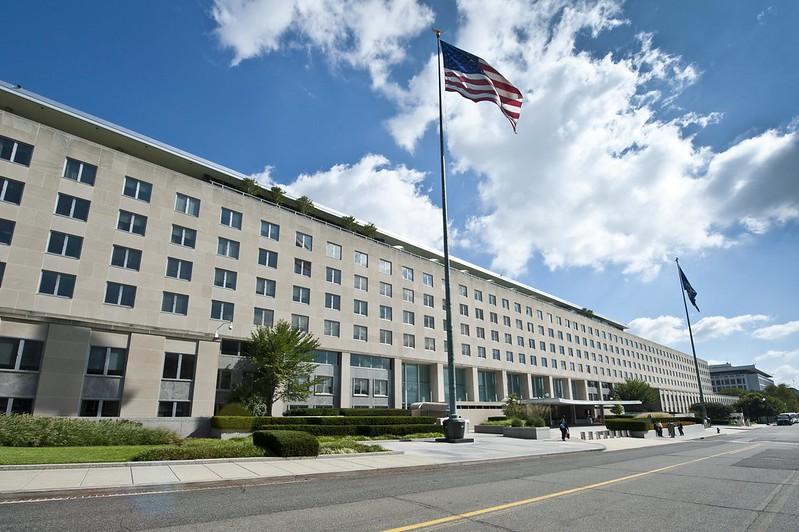
In a controversial decision that has raised significant concerns among human rights advocates and policymakers, the U.S. State Department has reportedly transferred several informants to the government of El Salvador. This move, which comes amid escalating violence and political turmoil in the Central American nation, has drawn fierce criticism over potential implications for the safety and well-being of those involved. As questions mount regarding the motivations behind this decision and its possible ramifications for U.S.-El Salvador relations, experts and officials are grappling with the balance between national security interests and the ethical obligations owed to vulnerable individuals. In this article, we delve into the complexities of this situation, examining the factors that led to the State Department’s controversial choice and its broader implications for U.S. foreign policy in the region.
State Department’s Dilemma: Balancing National Security and Human Rights in Informant Handovers
The recent decision by the State Department to hand over U.S. informants to El Salvador underscores the complex interplay between national security interests and the fundamental commitment to human rights. While the U.S. aims to bolster the fight against organized crime and gang violence in the region, critics argue that these actions may inadvertently jeopardize the lives of individuals who have cooperated with American intelligence. The challenge lies in the need to address regional instability without compromising the safety and dignity of those who have placed their trust in U.S. institutions. Among the reasons cited for this controversial decision are:
- Strengthening Bilateral Ties: The U.S. aims to enhance collaboration with El Salvador in addressing common security threats.
- Reducing Crime: The handover is viewed as a strategic move to mitigate the violence fueling migration across the Americas.
- Intelligence Sharing: With improved informant networks, both countries can share critical information and resources.
However, the potential fallout from such actions raises serious ethical questions. Reports indicate that many informants face severe risks, including targeted violence and retribution, particularly in contexts where legal protections may be inadequate. This situation has prompted human rights organizations to call for greater transparency and accountability in how the U.S. manages its informants abroad. The State Department is now confronted with a pressing need to establish more defined policies that safeguard both national interests and the human rights of vulnerable individuals. To illustrate these concerns, the following table outlines key impacts of informant handovers:
| Impact Category | Potential Outcomes |
|---|---|
| Human Rights | Increased risk of violence against informants |
| National Security | Improved information flow on criminal activities |
| Bilateral Relations | Strengthened partnerships between nations |
The Implications of Informant Transfers: Analyzing the Impact on U.S.-El Salvador Relations
The recent transfer of U.S. informants to the Salvadoran government has sparked significant debate concerning its ramifications on diplomatic relations between the two nations. Both countries have historically faced challenges due to crime and corruption, prompting the U.S. to support security initiatives in El Salvador. However, handing over informants raises concerns about the safety of these individuals and the potential for their information to be misused by El Salvador’s law enforcement, which has been criticized for its human rights violations. This move could strain the already delicate trust that exists between the governments and push the U.S. to reevaluate its strategy in the region.
Moreover, the implications of these transfers can extend beyond immediate operational concerns, affecting public perception and cooperation among civil society in both countries. Key issues to consider include:
- Human Rights Concerns: How the treatment of informants will reflect on U.S. commitment to human rights.
- Political Stability: Potential backlash against the Salvadoran government if informants are not treated fairly.
- Future Cooperation: The likelihood of U.S. collaboration with El Salvador in security matters.
As the situation unfolds, these factors will be critical in shaping the diplomatic landscape, potentially influencing legislative discussions in Washington about foreign assistance and security collaborations with Latin America.
Recommendations for Transparent Policies: Ensuring Ethical Practices in Informant Management
As the complexities of informant management come to light, the importance of establishing transparent policies becomes evident. One essential step is to develop clear guidelines that outline the responsibilities and rights of informants. These guidelines should encompass aspects such as confidentiality protections, disclosure processes, and the potential risks that informants may face when cooperating with law enforcement. Implementing regular training programs for personnel involved in informant management can ensure that they understand and adhere to ethical standards, fostering an environment of trust and accountability.
Moreover, maintaining open lines of communication with oversight bodies and community stakeholders is crucial. Establishing a system for independent review of informant cases can help mitigate conflicts of interest and enhance public confidence. Additionally, organizations should actively participate in partnerships with transparency advocacy groups to gather feedback and improve policies continually. Implementing these recommendations can create a more ethical framework for informant management, ultimately safeguarding not only the rights of informants but also the integrity of the institutions that engage with them.
In Summary
In conclusion, the decision by the U.S. State Department to hand over informants to the Salvadoran government raises profound questions about the balance between national security interests and ethical obligations to protect vulnerable individuals. As the complexities of international relations and law enforcement intertwine, the implications of this move may reverberate beyond the borders of both nations. Critics caution that such actions could undermine trust and safety for informants globally, while proponents argue that it strengthens alliances and enhances regional stability. As this situation continues to unfold, it underscores the necessity for a nuanced dialogue on the treatment of informants and the responsibilities of governments in safeguarding human rights amid geopolitical maneuvering. With the eyes of both domestic and international communities watching closely, the repercussions of this decision will likely shape future U.S. engagements in Central America and beyond.









