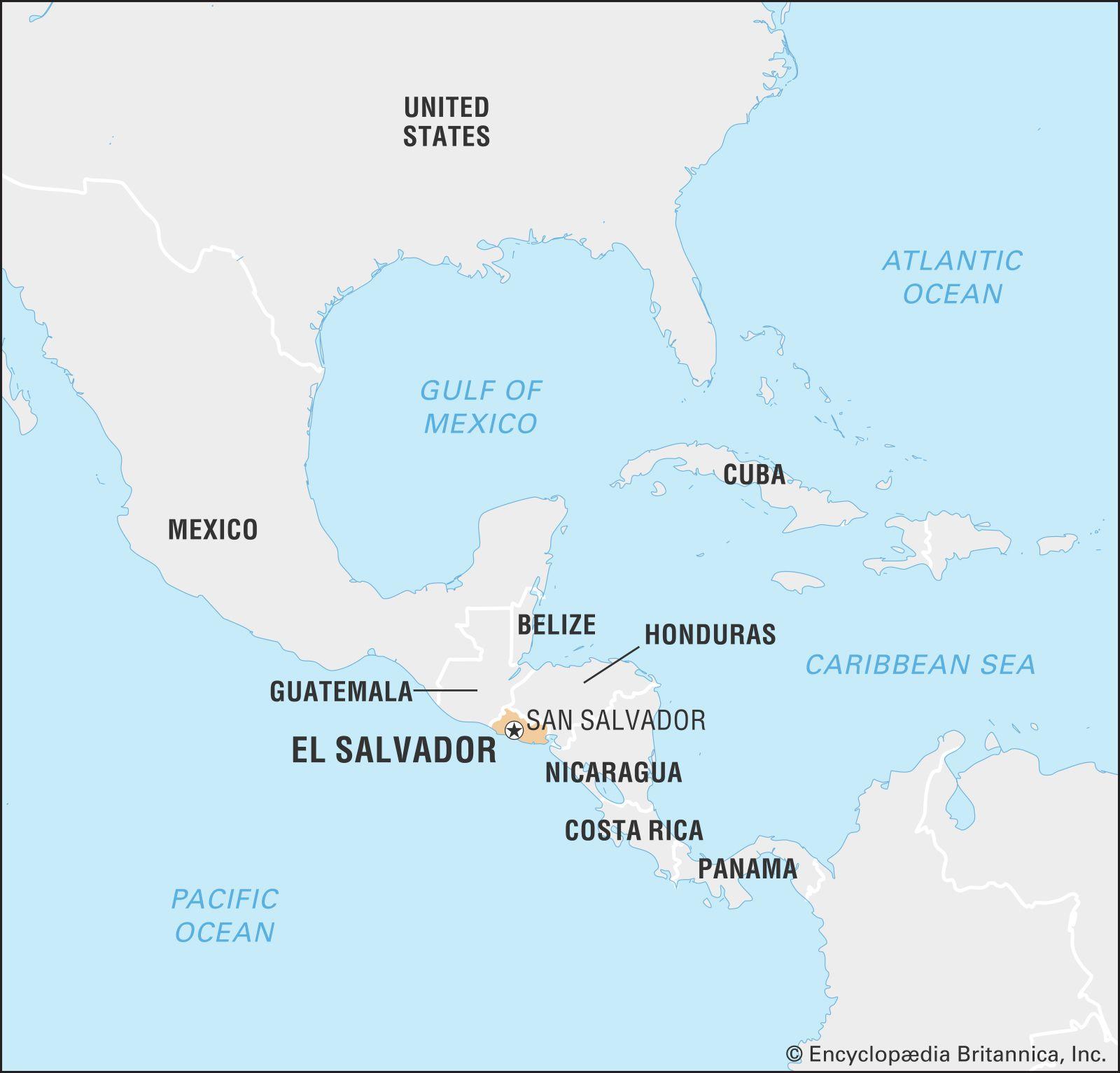
In recent years, El Salvador has emerged as an unexpected focal point for discussions surrounding authoritarianism, governance, and political evolution in the Americas. Once seen primarily through the lens of its tumultuous history and struggles with violence, the nation has gained notoriety for its stark shift towards right-wing populism under President Nayib Bukele. This transformation has prompted comparisons to Cuba’s historical stance under socialist rule, raising eyebrows across the political spectrum. As Bukele consolidates power and implements transformative policies that echo those of populist leaders worldwide, observers are left grappling with the implications of this shift for democracy, civil liberties, and regional stability. In this article, we explore how El Salvador’s current trajectory positions it as the “Cuba of the right,” examining the dynamics at play and their potential consequences for the country’s future.
El Salvador’s Shift Toward Authoritarianism: Parallels with Cuba’s Political Landscape
In recent years, the political landscape of El Salvador has exhibited alarming trends that echo the authoritarian practices witnessed in Cuba. President Nayib Bukele’s administration has demonstrated a tendency towards consolidating power and undermining democratic institutions. Significant aspects of this shift include the dismissal of Constitutional Court judges, the crackdown on dissent, and the manipulation of electoral processes. These actions not only compromise judicial independence but also raise eyebrows over press freedoms, leading to increased scrutiny from international human rights organizations.
Moreover, the Salvadoran government has engaged in tactics reminiscent of those employed by the Cuban regime to maintain public support. By fostering a narrative of national security-often citing a purported battle against gangs-Bukele has justified the implementation of controversial measures such as emergency states and extensive surveillance of citizens. The following table highlights some of the key similarities between the two nations in terms of governance and civil liberties:
| Aspect | El Salvador | Cuba |
|---|---|---|
| Judiciary Independence | Weakening of courts and judges | State control over the judiciary |
| Media Freedom | Increased censorship and harassment | Strict control and propaganda |
| Political Opposition | Suppression of political dissent | Persecution of dissidents |
Economic Implications of El Salvador’s Political Realignment for Regional Stability
The recent political realignment in El Salvador has significant economic implications that extend beyond its borders, prompting concerns about regional stability in Central America. As the government embraces policies reminiscent of the past in Cuba, there are noticeable shifts in trade dynamics and investment patterns. The country’s alignment with more authoritarian regimes could deter foreign direct investment (FDI), as potential investors may perceive El Salvador as a risky environment characterized by unpredictability and political turmoil. This reduction in FDI could stymie economic growth and lead to increased unemployment, while also triggering a wave of migration as citizens seek better opportunities elsewhere.
Furthermore, reconfiguration in trade relations, especially with neighboring nations, is set to create potential economic isolation. The adoption of policies that emphasize nationalism over cooperation may disrupt established trade agreements and foster tensions with regional partners. As a consequence, El Salvador’s economy could face reduced access to crucial markets, which might further weaken its already fragile economic position. The following table outlines possible economic impacts resulting from El Salvador’s strategic shift:
| Economic Impact | Description |
|---|---|
| Decline in FDI | Increased investor wariness due to political instability. |
| Trade Disruptions | Potentially strained relations with regional trading partners. |
| Increased Migration | Economic hardship may lead citizens to seek opportunities abroad. |
| Job Losses | Reduced economic activity could lead to higher unemployment rates. |
Examining the Role of International Responses in Shaping El Salvador’s Democratic Future
The international community’s reactions to El Salvador’s political developments are pivotal in determining the nation’s trajectory toward democracy. Countries like the United States and members of the European Union have expressed strong concerns regarding various governmental actions. These responses include:
- Diplomatic pressure: Calls for upholding human rights and democratic norms.
- Conditional aid: Financial support tied to democratic governance and reforms.
- Sanctions: Targeted measures against officials involved in corruption or human rights abuses.
Furthermore, organizations such as the Organization of American States (OAS) and the United Nations have attempted to mediate the situation, emphasizing the need for dialogue among stakeholders. The effectiveness of these interventions hinges on the willingness of the Salvadoran government to engage constructively. Recent data suggests a significant impact of international scrutiny on El Salvador’s legislative developments:
| Year | International Response | Impact on Governance |
|---|---|---|
| 2021 | Increased U.S. sanctions on officials | Heightened focus on corruption |
| 2022 | Call for independent judicial reforms | Modest gains in legal transparency |
| 2023 | Trade agreements contingent on human rights | Stronger advocacy for civil liberties |
Concluding Remarks
In conclusion, El Salvador’s evolving political landscape underscores a profound shift in the region, one that has drawn comparisons to Cuba under an authoritarian regime. As the government in San Salvador consolidates its power amid allegations of corruption and human rights abuses, concerns grow over the implications for democracy and civil liberties. The fascination and trepidation surrounding El Salvador’s journey resonate far beyond its borders, signaling a potential turning point for right-leaning governments across Latin America. As the nation navigates its future, the stakes for its citizens-and for the region as a whole-could not be higher. The world will be watching as El Salvador grapples with its identity and the legacy of its current leadership.