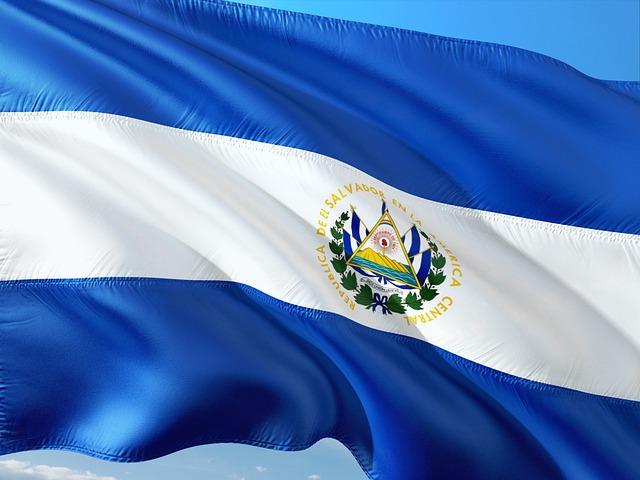
In recent months, El Salvador has experienced a concerning regression in governance and civil liberties, a situation that has drawn little attention from international watchdogs and human rights organizations. The government’s escalating authoritarian measures, including crackdowns on dissent and the erosion of judicial independence, have created a climate of fear and uncertainty among citizens. As the administration of President Nayib Bukele continues to consolidate power, the global community’s silence raises critical questions about the effectiveness of international oversight mechanisms and their commitment to protecting democracy in the region. This article explores the implications of El Salvador’s slide into authoritarianism and the troubling quiet from those who should be defending democratic values.
El Salvador’s Democratic Erosion: Analyzing the International Community’s Inaction
The recent political developments in El Salvador have raised alarm bells regarding the country’s democratic integrity, yet the international response has been disappointingly muted. Under President Nayib Bukele, the erosion of democratic institutions has accelerated, prompting concerns from observers and citizens alike. Key moments include:
- The dismantling of judicial independence: Critical judicial figures have been replaced, leading to a compromised legal system.
- Restrictions on media freedom: Journalists face increased threats and harassment, stifling dissenting voices.
- Concentration of power: The executive branch has overstepped constitutional bounds, undermining checks and balances.
Despite these troubling developments, the international community’s response has been lackluster. Many diplomatic entities seem hesitant to confront Bukele’s administration directly, raising questions about their commitment to democratic principles. A closer examination of foreign aid and investment patterns illustrates this indifference:
| International Entity | Response | Focus Area |
|---|---|---|
| U.S. Government | Public statements without actionable steps | Economic cooperation |
| European Union | Monitoring reports, no penalties | Human rights |
| OAS | Calls for dialogue, vague resolutions | Political stability |
Human Rights Under Siege: The Silent Struggle Against Authoritarianism in El Salvador
The deteriorating human rights landscape in El Salvador has arisen as a critical concern as authoritarian practices increasingly become the norm. Under the guise of combating crime, the government has enacted a series of draconian measures that undermine fundamental freedoms. These actions have led to widespread reports of arbitrary detention, forced disappearances, and abuse of power by state security forces. Civil society organizations that once served as watchdogs face unprecedented challenges, often silenced or intimidated, leaving the public’s rights and freedoms unprotected.
The international community’s tepid response to these developments raises pressing questions about the efficacy of human rights advocacy. As the narratives of oppressed voices become buried beneath state propaganda, the absence of significant condemnation from global watchdogs signals a troubling complacency. Key areas of concern include:
- Suppression of Free Speech: Journalists and activists face increasing risks, resulting in a chilling effect on public discourse.
- Judicial Independence in Decline: Manipulation of judicial processes to silence dissent is prevalent.
- Increasing Militarization: Police and military forces are empowered to act without accountability.
| Issue | Status | Impact |
|---|---|---|
| Arbitrary Detentions | Rising | Fear among civilians |
| Media Censorship | Widespread | Lack of diverse viewpoints |
| Human Rights Violations | Reported daily | International indifference |
Strategic Recommendations for Empowering Civil Society and Restoring Democratic Norms
As El Salvador faces a troubling regression in democratic practices, it becomes increasingly vital to strengthen the foundations of civil society to resist authoritarian encroachments. Engaging local communities through inclusivity can galvanize grassroots movements that advocate for transparency and accountability in governance. Some effective actions include:
- Empowering Local Leaders: Training community figures in advocacy and policy engagement can amplify citizen voices.
- Supporting Independent Media: Fostering a robust media landscape can ensure diverse narratives that challenge state narratives and misinformation.
- Promoting Educational Initiatives: Educating citizens on their rights and the principles of democracy encourages informed participation in civic activities.
Additionally, international organizations and NGOs must reassess their strategies to respond effectively to the evolving political climate in El Salvador. Collaboration among stakeholders can enhance the effectiveness of interventions aimed at restoring democratic norms. Recommended strategies include:
| Strategy | Description |
|---|---|
| Monitoring Commitments | Establish consistent systems to track governmental compliance with international human rights obligations. |
| Coalition Building | Create networks among civil society organizations to share resources and strategies. |
| Advocacy Campaigns | Launch campaigns focused on key issues such as anti-corruption and election integrity. |
In Conclusion
In conclusion, El Salvador’s recent regression in democratic norms and human rights standards has raised significant concerns, yet the apparent silence from international watchdogs and organizations underscores a troubling complacency within the global community. As President Nayib Bukele consolidates power and undermines institutions, both citizens of El Salvador and concerned observers must grapple with the implications of ignoring this pivotal moment in the nation’s history. Moving forward, it is imperative for both local and international entities to amplify their voices in defense of democracy and human rights to ensure that the progress achieved in the past is not undone silently. The path ahead remains critical, as the international response-or lack thereof-will shape the future of El Salvador and its role in the wider geopolitical landscape.