
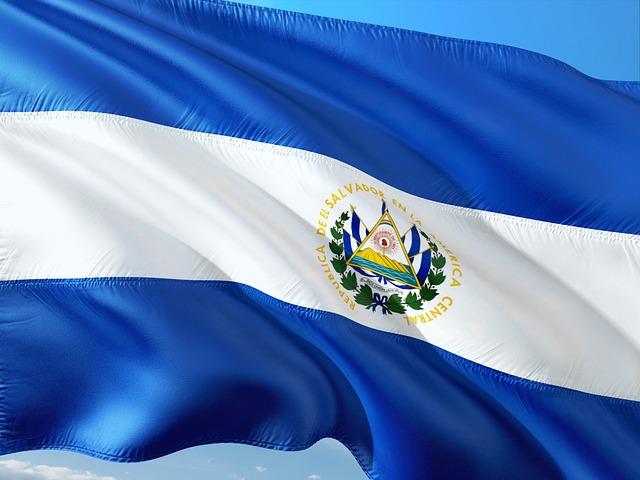
In recent years, El Salvador has found itself at a crossroads of freedom and repression, as the erosion of democratic institutions intertwines with the phenomenon of political imprisonment. The Washington Office on Latin America (WOLA) has shed light on the upheaval within the country, where dissent is increasingly met with state-sponsored retribution. This article delves into the mechanisms fueling political imprisonment and explores how the Salvadoran government’s actions threaten to dismantle the very fabric of democracy. As opposition voices are silenced and civil liberties curtailed, El Salvador emerges as a critical case study of the delicate balance between governance and authoritarianism in Latin America. Through the lens of WOLA’s comprehensive analysis, we will investigate the implications of these developments for the nation’s future and the broader regional landscape.
Political Repression in El Salvador: A Closer Look at Political Imprisonment Trends
In recent years, the landscape of political imprisonment in El Salvador has raised significant concerns among human rights advocates and international observers. The government’s increasingly authoritarian tactics have led to a troubling rise in the number of political prisoners, often targeted for their dissenting views and opposition to the current administration. A few notable trends have emerged in this context:
- Arbitrary Arrests: Individuals, including activists, journalists, and former government officials, have faced unjust detentions often without substantial evidence or due process.
- Criminalization of Dissent: Participating in protests or expressing criticism online has become a dangerous act, with many being prosecuted under vague laws that inhibit freedom of expression.
- Silencing of the Press: Journalists face intimidation, threats, and imprisonment, discouraging the media’s role as a watchdog in society.
The implications of these actions extend beyond individual cases of political imprisonment. The steady erosion of democratic norms is further evidenced by the government’s systematic dismantling of institutions that provide checks and balances. The judiciary, once viewed as independent, has increasingly become a tool for political repression, often ruling in favor of the government against dissenters. To illustrate the extent of the political imprisonment crisis, the table below outlines some recent notable cases:
| Individual | Date of Arrest | Charges | Status |
|---|---|---|---|
| Julio Partel | May 2023 | Subversion | Awaiting Trial |
| MarÃa Quiroz | June 2023 | Incitement | Imprisoned |
| Fernando Almeida | August 2023 | Treason | Charges Dropped |
Erosion of Democratic Institutions: The Impact of Authoritarian Measures in El Salvador
The landscape of democracy in El Salvador has taken a troubling turn as authoritarian measures threaten to dismantle the very institutions that once upheld the country’s democratic framework. The recent surge in political imprisonment reflects a broader strategy aimed at silencing dissent and consolidating power. Key figures in civil society, including activists, journalists, and politicians, find themselves increasingly targeted under vague accusations of corruption or terrorism, limiting their capacity to operate freely. This crackdown fosters a climate of fear, effectively stifling public discourse and undermining the checks and balances vital to a healthy democracy.
Additionally, the government’s tactics have raised concerns among international observers regarding the erosion of judicial independence and freedom of the press. Notable measures include the suspension of constitutional rights, aggressive censorship, and the undermining of electoral processes. The following table summarizes recent actions taken by the Salvadoran government that characterize this authoritarian shift:
| Measure | Description | Date |
|---|---|---|
| Suspension of Rights | Temporary suspension of constitutional rights for public gatherings. | March 2021 |
| Press Censorship | Intensified restrictions on media outlets covering protests. | June 2022 |
| Forced Political Exiles | Targeted campaigns forcing activists into exile. | August 2023 |
These developments signal a disturbing trend that may further entrench authoritarianism in El Salvador if left unchecked. As civil society continues to resist these measures, the international community must remain vigilant, advocating for the restoration of democratic norms and the protection of fundamental rights in the face of growing authoritarianism.
Recommendations for Action: Strengthening Human Rights and Restoring Democracy in El Salvador
To address the ongoing crisis of human rights and the erosion of democratic institutions in El Salvador, several targeted actions are essential. First, the international community must strengthen its engagement with Salvadoran civil society organizations to bolster their capacities for advocacy and monitoring human rights abuses. This includes:
- Providing financial support for grassroots organizations committed to protecting human rights.
- Enhancing training programs focused on legal frameworks and advocacy skills.
- Facilitating international observation to document incidents of political imprisonment and persecution.
Moreover, diplomatic pressure from allies and multilateral organizations is crucial in promoting accountability and institutional reform. The following strategies can amplify efforts to restore democracy:
- Implementing targeted sanctions against key officials implicated in human rights violations.
- Issuing public statements that condemn the repression of dissent and the lack of judicial independence.
- Supporting dialogue between the government and opposition to create a framework for electoral reform and citizen participation.
In Summary
In conclusion, the situation in El Salvador underscores a troubling trajectory for democracy in the region. The systematic political imprisonment of dissenting voices, coupled with the government’s broader efforts to consolidate power, poses a significant threat to civil liberties and democratic institutions. As highlighted by the Washington Office on Latin America (WOLA), the implications of these actions extend beyond the nation’s borders, raising concerns about the health of democracy throughout Latin America. It is imperative that the international community remains vigilant and responsive to these developments. Continued advocacy and support for human rights in El Salvador are crucial to fostering a climate where democracy can thrive, ensuring that all citizens can participate freely in the political process without fear of persecution. As the situation progresses, the world’s eyes must remain on El Salvador, urging for accountability and the restoration of democratic norms before it is too late.











