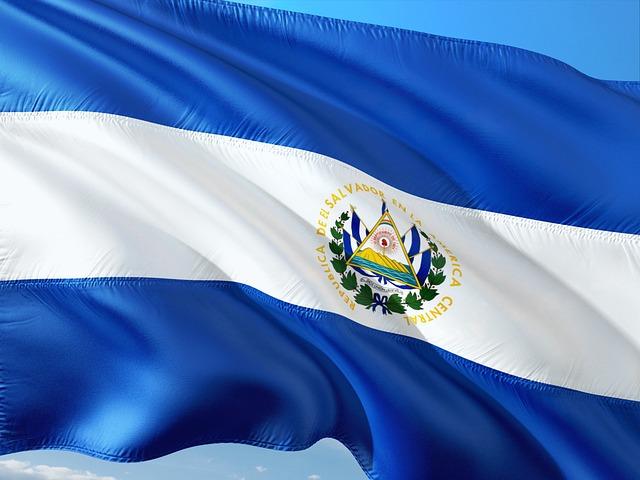
In recent months, El Salvador’s President Nayib Bukele has intensified his administration’s approach to governance, raising concerns among human rights advocates and critics alike. Known for his controversial measures against crime, Bukele is now doubling down on repressive tactics that have sparked a heated debate both domestically and internationally. This article explores the motivations behind Bukele’s increasingly authoritarian stance, the implications for Salvadoran society, and the reactions from global observers. As the nation grapples with violence and political unrest, Bukele’s policies reflect not only his commitment to combating crime but also a troubling trend towards diminishing democratic norms in the face of dissent.
Bukele’s Strategic Shift Towards Authoritarian Governance in El Salvador
As President Nayib Bukele consolidates his grip on power, El Salvador’s political landscape is increasingly characterized by a burgeoning authoritarianism. His administration’s latest measures reflect not only a tactical approach to governance but also a profound indifference toward democratic norms. Key components of this shift include:
- Crackdown on Dissent: Bukele has targeted opposition voices and civil society organizations, leading to a chilling effect on free speech.
- Judicial Reforms: Changes to the judiciary have raised concerns about independence, as Bukele influences judicial appointments to assure loyalty.
- Military Involvement: The integration of military forces into civilian law enforcement highlights a potential erosion of democratic checks and balances.
- Media Control: State control over media narratives has intensified, painting dissenters as enemies of the state.
This strategic pivot is bolstered by a fluctuating public sentiment, where Bukele’s initial popularity allows him to frame these authoritarian tendencies as necessary for national security. The ongoing crackdown on gangs receives widespread support, yet it obscures an underlying agenda that threatens institutional integrity. To illustrate this alarming trend, consider the following table highlighting key actions taken by the Bukele administration:
| Action | Date | Impact |
|---|---|---|
| State of Emergency Declared | March 2022 | Suspension of constitutional rights |
| Police Raids on Activists | July 2022 | Increased fear among dissenters |
| Judicial Appointments | September 2022 | Loss of judicial independence |
The Implications of Repression on Human Rights and Civil Freedoms
The ongoing repression in El Salvador under President Bukele raises significant concerns regarding the erosion of human rights and civil liberties. As the government intensifies its crackdown on dissent, citizens find themselves increasingly vulnerable to a pervasive surveillance state. With measures such as arbitrary arrests and the militarization of law enforcement, the landscape for political expression has become fraught with danger. Many fear that such tactics not only silence opposition but also foster a culture of fear that ultimately stifles democratic engagement.
Furthermore, this situation underscores a broader trend in which state-sanctioned repression is often justified under the guise of security. The implications are manifold:
- Suppression of Free Speech: Media outlets critical of the government face censorship and threats, creating a chilling effect on journalism.
- Judicial Independence at Risk: The judiciary’s role as a check on executive power is undermined, rendering legal recourse inaccessible for many.
- Marginalization of Vulnerable Groups: Marginalized communities bear the brunt of repressive measures, leading to disproportionate impacts on their rights.
Global Perspectives on El Salvador’s Security Measures and Recommended Pathways for Reform
As El Salvador grapples with unprecedented violence, President Nayib Bukele’s administration has implemented a range of aggressive security measures aimed at curbing gang influence and restoring public safety. This approach, characterized by mass arrests and a crackdown on civil liberties, has drawn both domestic and international scrutiny. Analysts argue that while the immediate impact on crime rates may appear positive, the long-term consequences of such heavy-handed tactics could undermine the foundations of democracy and civil rights in the region. Critics highlight the need for a balanced approach that prioritizes community engagement and rehabilitation rather than sheer repression.
In light of these challenges, a re-evaluation of El Salvador’s security strategy is critical. Successful models from around the world suggest that reform can be pursued through multiple pathways, including:
- Community Policing: Building trust between law enforcement and local communities to encourage cooperation in crime reporting and prevention.
- Social Programs: Investing in education, employment, and mental health services to address the root causes of violence and gang membership.
- International Collaboration: Engaging with global partners to share best practices and secure resources for sustainable development initiatives.
Adopting these holistic strategies could pave the way for a more effective and just approach to security, fostering long-term safety and stability in a region fraught with challenges.
To Conclude
As El Salvador continues to navigate the complexities of governance and public safety, President Nayib Bukele’s unwavering commitment to a repressive approach highlights a growing tension between authoritarian measures and democratic principles. While his administration touts reductions in crime rates and an enhanced public order, critics warn that such tactics come at a significant cost to civil liberties and institutional integrity. As the nation grapples with the implications of Bukele’s policies, the balance between security and freedom remains precarious. The unfolding situation in El Salvador serves as a critical case study for observers worldwide, raising essential questions about the long-term sustainability of leadership that prioritizes control over dialogue. As Bukele doubles down on repression, the world watches closely, contemplating the potential ramifications for democracy in the region and beyond.