
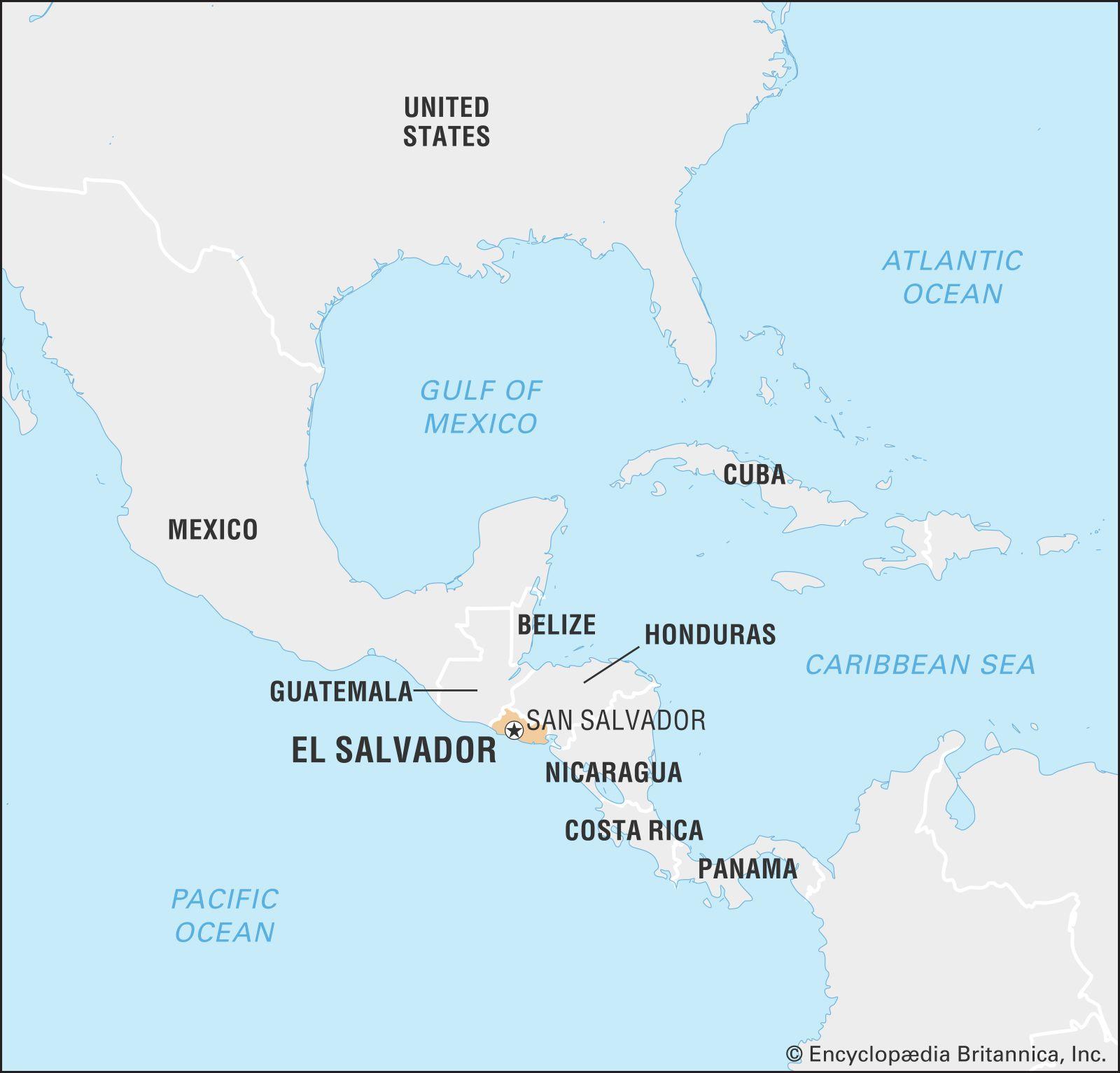
In a bold diplomatic maneuver, El Salvador’s President Nayib Bukele has proposed a controversial prisoner swap with Venezuela’s Nicolás Maduro, aimed at addressing the delicate issue of Venezuelan migrants deported from the United States. This initiative, unveiled amid the ongoing crisis facing Venezuelan citizens and intensifying regional tensions, seeks to open a dialogue between the two nations while providing a potential avenue for the repatriation of individuals caught in the crossfire of geopolitical strife. As both countries grapple with their own internal challenges, the proposal raises questions about the motivations behind such a deal and the implications it may have for thousands of Venezuelans seeking refuge.
El Salvador’s Controversial Proposal: Evaluating the Prisoner Swap with Venezuela
El Salvador’s President Nayib Bukele has stirred significant debate with his recent proposal for a prisoner swap with the Venezuelan government, led by Nicolás Maduro. The plan primarily aims to facilitate the return of Venezuelans expelled from the United States back to their home country while securing the release of Salvadoran prisoners currently held in Venezuela. This controversial move raises questions about the broader implications for international relations and how it aligns with Bukele’s administration’s hardline stance on crime. Critics argue that such deals might compromise national security and could potentially endorse authoritarian regimes, while supporters believe it might pave the way for a more humane approach towards repatriation processes.
While many are questioning the moral and ethical implications of this proposal, it also offers a glimpse into the geopolitical intricacies of Central America and how regional dynamics are influenced by U.S. immigration policies. With both countries facing their own internal challenges, the agreement could signal a complex balancing act of diplomacy and domestic priorities. Here are some key points to consider regarding the potential consequences of this proposal:
- Humanitarian Concerns: Increased scrutiny on the treatment of those being exchanged.
- Political Ramifications: Possible backlash from opposition parties in El Salvador.
- International Relations: Impact on U.S.-El Salvador relations amidst ongoing immigration issues.
As discussions unfold, the proposal not only highlights the intertwined fates of the two nations but also emphasizes the urgent need for comprehensive policies that address the root causes of migration and crime, rather than short-term solutions that may have unintended consequences.
Potential Implications for U.S. Immigration Policy and Relationships in Latin America
The proposed prisoner swap between El Salvador’s President Bukele and Venezuelan leader Nicolás Maduro could signify a pivotal shift in U.S. immigration policy and its broader implications for diplomatic relationships in Latin America. As both nations navigate their complex socio-political climates, the U.S. may need to reconsider its stance on regional partnerships aimed at addressing migration issues. Should this agreement materialize, it could lead to an increase in migration relief initiatives from the U.S. government, hoping to mitigate the flow of refugees from countries plagued by political turmoil and economic instability.
Furthermore, this arrangement could stimulate discussions around bilateral agreements that encompass asylum, deportation, and humanitarian assistance. The ramifications might extend to altering the perception of Latin American countries as partners in immigration reform rather than merely transit points for migrants. Key implications include:
- Strengthened Alliances: Greater collaboration between Latin American nations may foster new alliances that impact U.S. geopolitical interests.
- Increased Pressure: A rise in outbound migration pressures may compel the U.S. to adapt its immigration policies for humanitarian responses.
- Regional Stability: Emphasizing cooperation can potentially stabilize regions, contributing to more secure environments for potential emigrants.
Expert Recommendations on Navigating Diplomatic Tensions and Humanitarian Concerns
In light of the ongoing diplomatic tensions between the United States and Venezuela, President Nayib Bukele of El Salvador has put forth a bold proposal for a prisoner swap with Nicolás Maduro’s government. This initiative aims to facilitate the exchange of Venezuelans who have been deported from the U.S. with individuals currently held in El Salvadorian prisons. By this means, Bukele is not only attempting to address humanitarian concerns but also carving a unique position for his administration on the international stage. Experts emphasize the need for a multifaceted approach that combines diplomacy with humanitarian efforts, as the current geopolitical climate remains fraught with complexities.
Analysts suggest that effective navigation of this situation requires understanding the delicate balance between state sovereignty and human rights. Key recommendations include:
- Engagement through Dialogue: Establish continuous communication channels involving all parties to mitigate misunderstandings.
- Humanitarian Initiatives: Prioritize efforts to ensure the safety and well-being of affected populations, notably the deported Venezuelans.
- Long-term Strategies: Focus on comprehensive plans that address the root causes of migration and the conditions leading to such diplomatic proposals.
To further illustrate the potential impacts of such a swap, the following table summarizes the anticipated outcomes of this initiative:
| Outcome | Potential Benefit |
|---|---|
| Improved Bilateral Relations | Enhances dialogue between El Salvador and Venezuela. |
| Humanitarian Aid | Provides support to deported Venezuelans and their families. |
| Regional Stability | May foster a more stable Central American region by reducing tensions. |
Key Takeaways
In summary, President Nayib Bukele’s proposal for a prisoner swap with Venezuelan leader Nicolás Maduro underscores the complex interplay of immigration, diplomacy, and human rights that continues to shape relations in Central America. As the United States grapples with its own immigration challenges, the potential for such a negotiation may open new avenues for discussion, albeit amid significant skepticism regarding Maduro’s regime. As this situation unfolds, the implications for thousands of Venezuelans deported from the U.S. and the broader geopolitical landscape remain to be seen. Observers will be watching closely as both leaders navigate these turbulent waters, assessing the potential outcomes of this unprecedented proposal in the months ahead.











