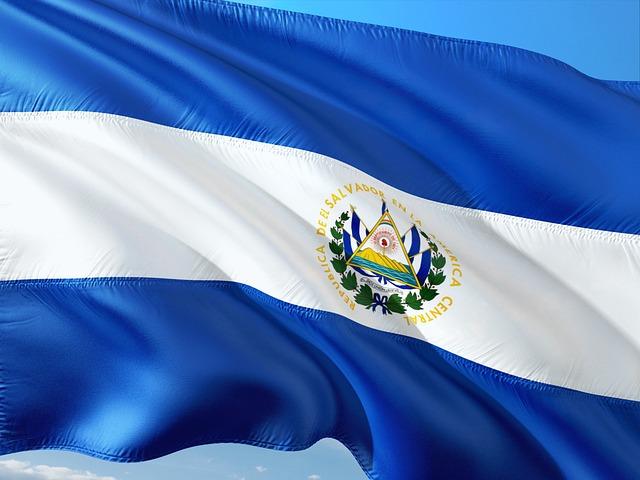
In a bold diplomatic move, U.S. Senator Marco Rubio has revealed that El Salvador is prepared to accept deportees from the United States, extending this offer to individuals of any nationality, including those with violent criminal records. This announcement raises significant questions about the implications for U.S. immigration policy and the safety concerns surrounding the repatriation of individuals deemed dangerous. As discussions around immigration reform continue to gain momentum, Rubio’s statement highlights a complex intersection of international cooperation, human rights, and public safety, drawing attention to the broader challenges faced by the United States in managing its deportation and asylum processes. This article delves into the details of the proposal, the response from U.S. officials, and the potential consequences for both nations involved.
El Salvador’s Proposal: A Controversial Solution for U.S. Deportees
In a surprising turn of events, El Salvador is stepping into a contentious role by offering to accept U.S. deportees regardless of nationality, including those with violent criminal records. This bold proposal, announced by Senator Marco Rubio, raises significant questions about the implications for both countries. With the backdrop of an ongoing immigration crisis and discussions surrounding U.S. border security, El Salvador’s willingness to welcome back individuals who have been previously expelled from the United States is seen as a double-edged sword. Critics argue that allowing violent offenders to return unchecked could exacerbate crime rates in Central America, a region already grappling with high levels of violence and instability.
Supporters of the proposal, however, view it as an opportunity for economic and social revitalization for El Salvador. They highlight potential benefits such as:
- Reintegration Programs: Initiatives aimed at helping deportees reintegrate into society.
- Economic Contributions: Skilled workers could provide a boost to the local economy.
- Stronger Diplomatic Ties: Enhancing mutual cooperation between the U.S. and El Salvador.
As the situation continues to develop, both nations will need to navigate the complexities of this offer while addressing concerns related to public safety and the historical context of deportation policies.
Implications for U.S. Immigration Policy and Public Safety
The offer from El Salvador to accept U.S. deportees of any nationality raises significant questions for U.S. immigration policy and public safety. This unprecedented proposition might lead to a reevaluation of how the U.S. handles deportations, particularly concerning violent offenders. Policymakers must carefully consider potential benefits and risks associated with this arrangement, including the following:
- International Relations: Strengthening ties with Central American countries.
- Local Crime Rates: The impact on crime in both the U.S. and El Salvador as criminals are relocated.
- Resource Allocation: Increased demands on U.S. immigration services and law enforcement agencies.
Moreover, the implications extend beyond the immediate repatriation of deportees. Reassessing the effectiveness of current immigration enforcement strategies might be necessary, especially considering the potential influx of individuals with violent backgrounds. The challenge lies in establishing a balance between protecting public safety and adhering to humane treatment of individuals. A systematic approach that includes:
- Comprehensive Background Checks: Ensuring the safe return of individuals who are not a threat.
- Partnerships with Local Law Enforcement: Coordinating efforts to prevent crime and monitor deportees.
- Public Awareness Campaigns: Educating communities about the nature of the agreements.
Analyzing the Risks and Benefits of Accepting Foreign Criminals in El Salvador
As El Salvador positions itself as a potential sanctuary for U.S. deportees, including those with past criminal records, the implications of such a policy demand careful consideration. Accepting foreign criminals carries significant risks that could challenge the country’s already fragile security landscape. Among the primary concerns are:
- Increased Crime Rates: Integrating individuals with violent backgrounds may heighten crime levels, further straining law enforcement resources.
- Public Safety Risks: The presence of dangerous individuals can create fear among local communities, complicating efforts to foster social stability.
- International Reputation: El Salvador’s willingness to accept violent offenders could tarnish its reputation on the global stage, possibly affecting foreign investments.
Conversely, there are potential benefits to this strategy that could lead to socioeconomic improvements and diplomatic leverage. Some of these include:
- Resource Allocation: The influx of deportees may be accompanied by U.S. funding or resources aimed at rehabilitation and reintegration.
- Humanitarian Perspective: Providing a second chance for deportees could be framed within a broader discussion of human rights, improving El Salvador’s public image.
- Potential for Economic Improvement: Successful rehabilitation programs may lead to skilled labor gaining employment, thereby boosting local economies.
In weighing these factors, policymakers must navigate a complex landscape where the desire for humanitarian solutions must be balanced against the need for public safety. A strategic approach is essential in determining whether the potential benefits can truly outweigh the risks involved.
To Wrap It Up
In conclusion, Senator Marco Rubio’s announcement regarding El Salvador’s willingness to accept U.S. deportees of any nationality-regardless of their criminal history-raises critical questions about the implications for both countries’ immigration policies and public safety. While this offer might present a potential solution to the challenges of deportation and repatriation, it also underscores the complexities of dealing with violent offenders and the intricate dynamics at play in U.S.-Central American relations. As these discussions unfold, the response from the U.S. government and the broader implications for Salvadoran communities will be closely monitored. The landscape of immigration continues to evolve, and the repercussions of such policy decisions will undoubtedly resonate beyond these borders.