
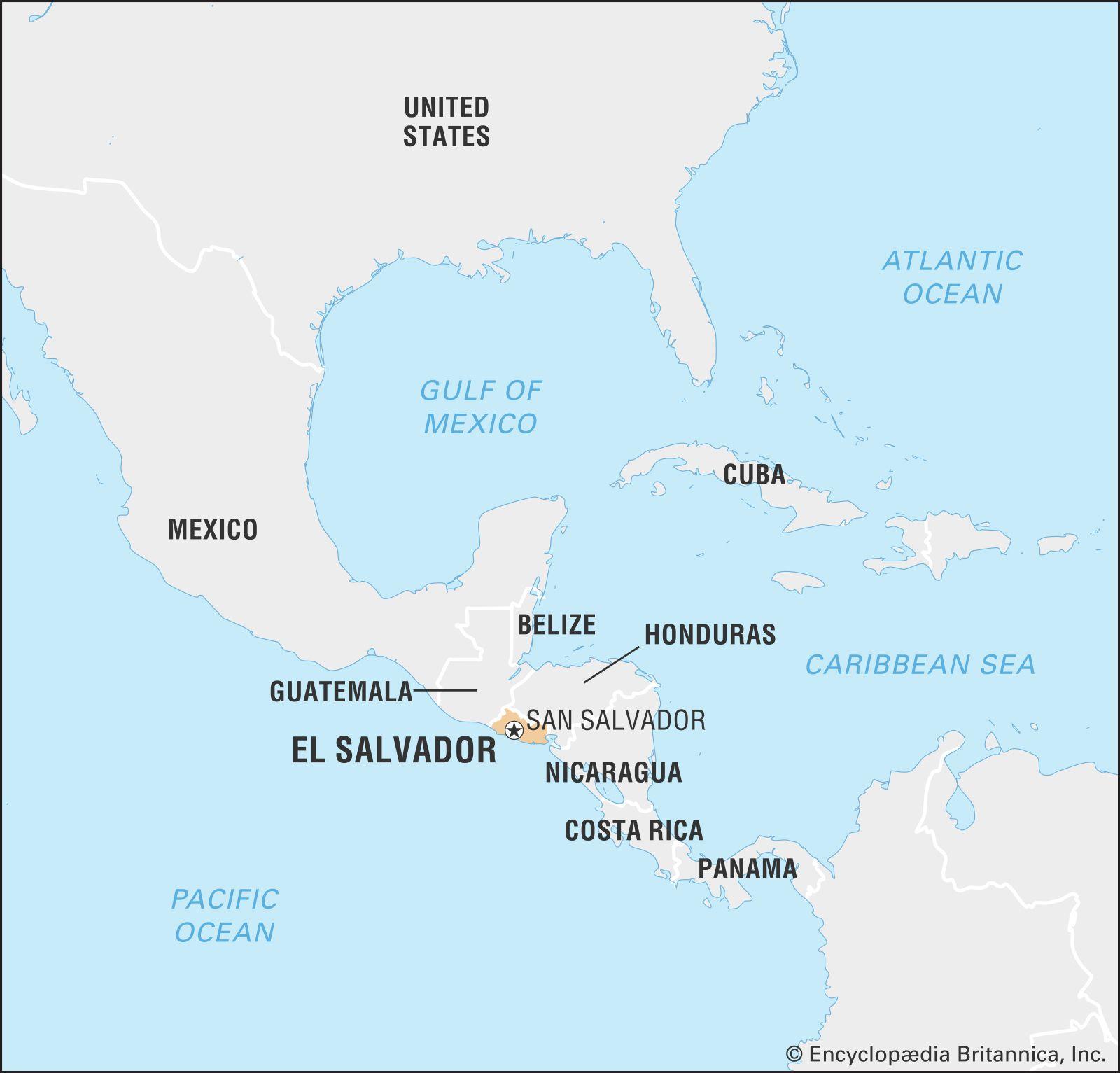
In a bold and controversial move, El Salvador has offered to house U.S. criminals in a newly constructed mega-prison, a decision that has provoked intense debate both domestically and internationally. This unprecedented proposal highlights the intersection of crime, punishment, and international relations as the Salvadoran government grapples with its own issues of gang violence and overcrowding in prisons. As the country faces an ongoing struggle against powerful criminal organizations, President Nayib Bukele is positioning his administration as a forward-thinking solution to crime management, even as critics raise concerns about human rights and the potential implications for the U.S. justice system. In this article, we will explore the details of El Salvador’s offer, the motivations behind it, and the broader implications for both nations as they navigate the complex landscape of crime and incarceration.
El Salvador’s Mega-Prison Plan: A Risky Solution to U.S. Crime Overflow
Amid escalating concerns over crime rates in the United States, El Salvador’s government has proposed an unorthodox solution: a mega-prison designed to accommodate American convicts. The plan, cloaked in a veneer of altruism, presents a controversial opportunity for the Salvadoran authorities to leverage the United States’ pressing need for incarceration space. Proponents argue that this approach could alleviate overcrowded U.S. prisons, while providing El Salvador with substantial financial aid and infrastructure improvements. However, critics warn that this strategy may simply export America’s crime problem without addressing the root causes of criminal behavior.
Key elements of this proposal highlight the complexities and potential repercussions of such an initiative:
- Financial Incentives: The Salvadoran administration might receive compensation for housing U.S. criminals, supporting its economic needs.
- Human Rights Concerns: The capacity and conditions of mega-prisons are under scrutiny, with fears surrounding the treatment and rehabilitation of inmates.
- International Relations: This move raises questions about sovereignty and the ethical implications of outsourcing criminal punishment.
| Pros | Cons |
|---|---|
| Potential financial support for El Salvador | Risk of exacerbating existing crime issues |
| Alleviates U.S. overcrowding problems | Concerns over human rights violations |
| Infrastructure development opportunities | Potential strain on local resources |
Human Rights Concerns in the Face of Prison Expansion in El Salvador
As El Salvador rapidly expands its prison system in response to soaring crime rates and a surge in gang violence, serious human rights concerns loom large. The government’s decision to construct mega-prisons, billed as a solution to the nation’s security crisis, raises alarms about the treatment of inmates and the fundamental rights of individuals behind bars. Reports indicate overcrowding, malnutrition, and inadequate medical care in existing facilities, pointing to a systemic disregard for the wellbeing of prisoners. As international watchdogs closely monitor the situation, observers are questioning whether the focus on punitive measures aligns with global human rights standards.
The proposal to house U.S. criminals in these newly constructed facilities further complicates the debate. Critics argue that this initiative not only underscores a grim reality of prison exploitation but also risks shifting the ethical burden of incarceration from the U.S. to a nation grappling with its own justice challenges. Key issues impacting this controversial plan include:
- Due Process Violations: Concerns about whether American criminals will receive fair treatment.
- Prison Conditions: Questions surrounding the already dire living situations in existing Salvadoran prisons.
- Judicial Oversight: The possibility of disregarding established legal standards of justice.
| Concerns | Implications |
|---|---|
| Overcrowding | Increases violence and deteriorates health |
| Human Rights Abuses | Threatens national and international reputation |
| Lack of Rehabilitation Programs | Perpetuates cycle of crime and recidivism |
Strategies for International Collaboration and Responsible Policy Reform
In the realm of international collaboration, forging partnerships between nations presents both challenges and opportunities, particularly in addressing complex issues such as crime and rehabilitation. Countries like El Salvador are exploring innovative avenues, including the strategic use of facilities like mega-prisons, to house foreign criminals. This approach not only aims to alleviate overcrowding in domestic facilities but also presents a potential revenue stream through bilateral agreements. However, such strategies necessitate careful negotiation and transparency to ensure they align with international human rights standards. Key considerations for successful collaboration include:
- Shared Objectives: Establishing common goals between nations, such as reducing crime rates and enhancing security.
- Legal Frameworks: Developing comprehensive legal agreements that respect the sovereignty of all parties involved while ensuring due process.
- Accountability Measures: Implementing oversight mechanisms to monitor conditions within the facilities and treatment of inmates.
Simultaneously, responsible policy reform is crucial in such international agreements. Policymakers must weigh the benefits of housing foreign criminals in El Salvador against potential reputational risks and sociopolitical repercussions. Policymaking should be informed by evidence-based research, engaging experts in criminology and human rights to formulate sustainable practices. Establishing a collaborative platform to evaluate the data and results of such policies can lead to improvements and recalibrations as necessary. Essential elements for effective policy reform include:
- Stakeholder Engagement: Involving local communities, NGOs, and international organizations in the dialogue.
- Adaptive Management: Creating policies that can evolve based on real-time feedback and results.
- International Standards: Adherence to global norms for humane treatment and rehabilitation of offenders.
Key Takeaways
In conclusion, El Salvador’s proposal to house U.S. criminals in its mega-prison raises complex questions about international cooperation in criminal justice, human rights, and the underlying social issues driving crime. As the nation grapples with its own challenges of gang violence and systemic corruption, its offer underscores a controversial intersection of policy, governance, and diplomacy. Critics argue about the potential consequences for both nations, urging a closer examination of the ethical implications of such a partnership. As the discourse continues, it remains essential to consider not just the immediate impact on crime rates and recidivism, but also the long-term effects on the relationship between the United States and El Salvador. This development may signal a shift in how countries confront transnational crime and serve as a litmus test for the future of international penal practices. Stakeholders on both sides are left to ponder: can this partnership lead to a more effective approach to crime, or will it exacerbate existing tensions and inequalities? The answer may shape the region’s future for years to come.









