
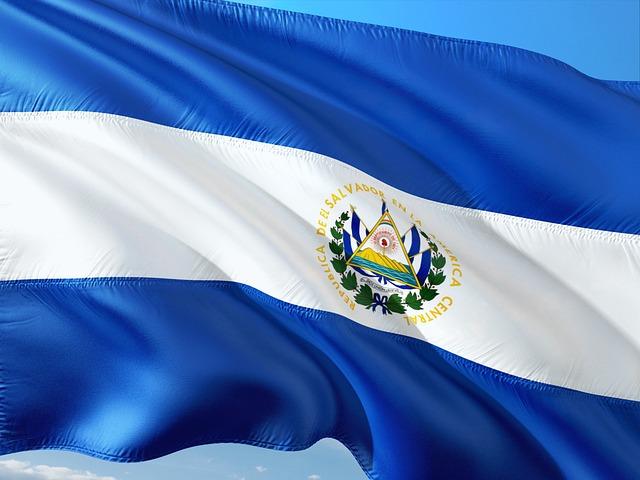
In a significant political shift, El Salvador’s legislative assembly has voted to eliminate presidential term limits, paving the way for President Nayib Bukele to seek re-election indefinitely. This controversial decision, which critics argue undermines democratic norms, follows Bukele’s rising popularity amid ongoing efforts to combat crime and promote economic growth. The move has raised alarm among observers who fear it may signal a drift toward authoritarianism in a country still grappling with its complex political history. As Bukele positions himself for potential extended rule, the implications for El Salvador’s democracy and governance are profound, posing critical questions about the future political landscape in the nation.
El Salvador’s Constitutional Shift: The Implications of Ending Term Limits for Presidential Elections
The recent decision by El Salvador’s Supreme Court to eliminate presidential term limits could signal a significant shift in the nation’s political landscape. This ruling allows President Nayib Bukele to potentially extend his tenure beyond the traditional two terms, raising alarms about the erosion of democratic norms in a country still grappling with its historical challenges. Critics argue that this move could lead to an unchecked concentration of power, diminishing the checks and balances that are fundamental to a healthy democracy. Supporters, however, claim that Bukele’s leadership has brought much-needed stability and progress to El Salvador, particularly in curbing crime and improving the economy.
As the nation prepares for the possibility of Bukele seeking re-election, several implications must be considered:
- Impact on Democratic Institutions: Critics warn of the potential weakening of democratic institutions and the rule of law.
- Public Sentiment: How do the citizens of El Salvador feel about indefinite re-election? Polls could indicate rising support or dissatisfaction.
- International Reactions: Foreign governments and organizations may reconsider their diplomatic and financial relationships with El Salvador based on these developments.
- Precedent for Other Leaders: This shift may inspire other Latin American leaders to pursue similar adjustments in their countries.
| Potential Outcomes | Probable Impact |
|---|---|
| Increased Political Polarization | Deepened divisions among political parties and the populace. |
| Foreign Aid Reevaluation | Changes in financial support from international allies. |
| Protests and Civil Unrest | Potential rise in public demonstrations against the government. |
| Long-term Political Stability | Risk of authoritarian governance versus stable leadership. |
Analyzing the Impact of Bukele’s Indefinite Re-Election on Democratic Governance in El Salvador
El Salvador’s recent decision to remove presidential term limits has raised significant concerns among political analysts regarding the erosion of democratic principles in the country. Critics argue that allowing President Nayib Bukele to seek re-election indefinitely paves the way for undemocratic practices. By consolidating power, Bukele may undermine the system of checks and balances that is essential for healthy governance. Observers warn that this shift could lead to an environment where dissent is stifled and political pluralism is severely compromised. The implications for civil liberties, media freedom, and judicial independence could be profound and far-reaching.
Concerns about Bukele’s presidency extend beyond mere political maneuvering; they encompass broader societal issues as well. While his administration has enjoyed popularity due to effective crime reduction strategies and ambitious infrastructure projects, the potential for authoritarian governance creates a paradox. Key areas of risk include:
- Suppression of Dissent: Limiting opposition voices could lead to a chilling effect on free expression.
- Weakening Institutions: A lack of term limits could erode the independence of judicial and legislative bodies.
- Potential for Corruption: Extended power without accountability may foster an environment ripe for corruption.
To further understand the implications of this pivotal moment in El Salvador’s political landscape, the following table summarizes key indicators of democratic governance scores before and after the abolition of term limits.
| Indicator | Before Reform | After Reform |
|---|---|---|
| Freedom of Press | 75% | 60% |
| Judicial Independence | 70% | 55% |
| Public Trust in Government | 65% | 50% |
Recommendations for Maintaining Democratic Integrity Amidst Political Changes in Central America
As the political landscape in Central America continues to evolve, it is crucial for both governments and citizens to implement strategies that uphold the tenets of democracy. Increased civic education is vital to empower the public with knowledge about their rights and responsibilities, fostering active participation in the democratic process. Engaging local communities through workshops and public forums can help to raise awareness about the importance of checks and balances within government structures. Moreover, strengthening independent institutions, such as the judiciary and electoral commissions, is essential to ensure accountability and transparency in governance. This safeguards against the potential abuses of power that can arise with extended terms for elected officials.
Additionally, fostering a vibrant civil society is indispensable in promoting democratic integrity. NGOs and grassroots organizations play a vital role in monitoring government actions, advocating for human rights, and ensuring that public officials remain answerable to their constituents. Collaboration between governmental bodies and non-profits can lead to the development of integrity pacts, promoting ethical behavior among public servants. Furthermore, international observation during elections can bolster public trust and deter electoral malfeasance, emphasizing the importance of fair representation. In this shifting political environment, a consolidated effort towards these measures can help maintain the foundation of democracy in Central America.
Closing Remarks
In a significant shift in political dynamics, El Salvador’s decision to eliminate presidential term limits has paved the way for President Nayib Bukele to potentially extend his tenure indefinitely. This move has sparked a heated debate over the implications for democracy and governance in the country. Supporters argue that Bukele’s administration has made strides in addressing crime and corruption, while critics warn of the dangers of centralizing power and undermining democratic institutions. As El Salvador navigates this pivotal moment in its political history, the eyes of the international community will remain fixed on the unfolding developments, raising essential questions about the future of democracy in the nation. The implications of this decision, both domestically and regionally, will likely be felt for years to come, making it a critical juncture for the country’s governance and citizen engagement.











