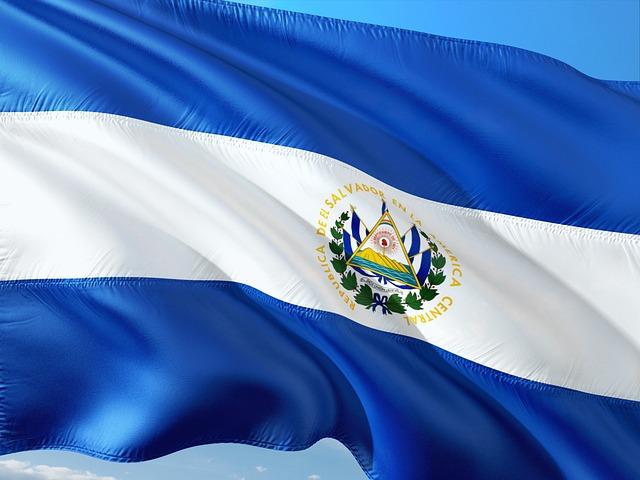
El Salvador Faces Fastest Democratic Decline in Latin America
In a startling development that has caught the attention of political analysts and human rights advocates worldwide, El Salvador is experiencing the most rapid democratic decline in Latin America, according to a recent report by The Tico Times. Amid rising concerns over increasing authoritarianism, a series of controversial governmental actions has raised alarms about the erosion of democratic institutions, freedom of the press, and civil liberties in the Central American nation. This downturn comes at a time when the region is grappling with its own struggles for stability and governance, positioning El Salvador as a significant case study in the complexities of democracy in a volatile political landscape. As the government under President Nayib Bukele navigates these turbulent waters, questions arise about the future of democracy in El Salvador and its implications for the broader Latin American context.
El Salvador’s Erosion of Democratic Institutions Requires Urgent Attention
The recent developments in El Salvador signal a troubling trend that threatens the very foundation of its democratic processes. As the government consolidates power, there is an alarming pattern of actions undermining judicial independence and silencing dissenting voices. Key elements contributing to this erosion include:
- Judicial Overreach: Recent appointments of judges with close ties to the executive branch have raised concerns over the impartiality of the judicial system.
- Censorship of Media: Independent media outlets face increasing pressure, resulting in a climate of fear that restricts freedom of expression.
- Manipulation of Electoral Processes: Political maneuvers suggest that upcoming elections may not reflect the genuine will of the people.
This troubling scenario poses significant implications not just for El Salvador, but for the entire region grappling with similar democratic challenges. According to many observers, a well-coordinated response from international organizations and local civil society is crucial to counteract these authoritarian tactics. To address these issues effectively, a comprehensive approach is needed, targeting the following areas:
| Area of Concern | Recommended Action |
|---|---|
| Judicial Independence | Support reforms that enhance the autonomy of the judiciary. |
| Media Freedom | Increase funding and protection for independent journalism. |
| Electoral Integrity | Implement international monitoring of upcoming elections. |
Analysis of Political Polarization and Its Impact on Civil Liberties
In recent years, El Salvador has witnessed a stark increase in political polarization, a trend that has significantly influenced the landscape of civil liberties in the region. The rise of a deeply entrenched binary system has fostered an environment where divergent viewpoints are not only disregarded but actively vilified. As political factions solidify their power, dissenting voices often face suppression, leading to troubling implications for free expression. Key impacts include:
- Erosion of Press Freedom: Journalists facing intimidation, censorship, and threats that curb investigative reporting.
- Judicial Manipulation: The politicization of the judiciary undermines checks and balances, eroding the rule of law.
- Social Division: Polarization fuels societal discord, further marginalizing groups that might oppose the ruling powers.
As political leaders prioritize allegiance to party ideology over democratic principles, the implications for civil liberties become increasingly perilous. Accessing accurate information, participating in political discourse, and mobilizing against governmental overreach have become fraught with danger. In particular, the consequences for vulnerable populations are severe, as they lack the visibility and power necessary to advocate for their rights effectively. A closer examination reveals trends such as:
| Trend | Description |
|---|---|
| Increase in State Surveillance | Monitoring of citizens’ online and offline activities to deter dissent. |
| Restrictions on Assemblies | Laws and practices that limit public gatherings and protests, stifling civic engagement. |
International Community’s Role in Supporting Democratic Resilience in El Salvador
The international community plays a pivotal role in fostering democratic resilience in El Salvador, particularly amid the troubling trend of democratic decline. Support from foreign governments and multilateral organizations can manifest in numerous ways, such as:
- Diplomatic pressure: Engaging with Salvadoran officials to uphold democratic norms and human rights.
- Financial aid: Providing funding for civil society organizations that promote transparency and accountability.
- Capacity building: Offering training programs for electoral bodies and local governance to strengthen democratic institutions.
In addition, the international community can leverage global forums to address concerns regarding governance in El Salvador. By fostering dialogue and partnerships, it becomes possible to:
- Enhance awareness: Amplifying the voices of activists and watchdog organizations on the international stage.
- Promote best practices: Sharing success stories from other nations that have effectively upheld democratic principles.
- Impose sanctions: Implementing targeted sanctions against individuals responsible for undermining democracy.
Ultimately, a cohesive international strategy that combines these approaches can contribute to safeguarding democracy in El Salvador, providing the necessary support for its citizens committed to restoring and maintaining democratic integrity.
The Conclusion
In conclusion, El Salvador’s democratic landscape is undergoing a significant and troubling transformation, as evidenced by recent reports detailing the nation’s swift decline in democratic institutions and processes. The restrictions on civil liberties, the encroachment on judicial independence, and the government’s growing authoritarian tendencies raise serious concerns for the future of democracy in this Central American nation. As analysts and advocates continue to monitor the situation, it is imperative for both local and international communities to remain vigilant and engaged. The implications of El Salvador’s democratic decline extend beyond its borders, serving as a critical reminder of the ongoing struggle for democracy in Latin America. As events unfold, the resilience of Salvadoran society and the actions of global stakeholders will play pivotal roles in shaping the path ahead.