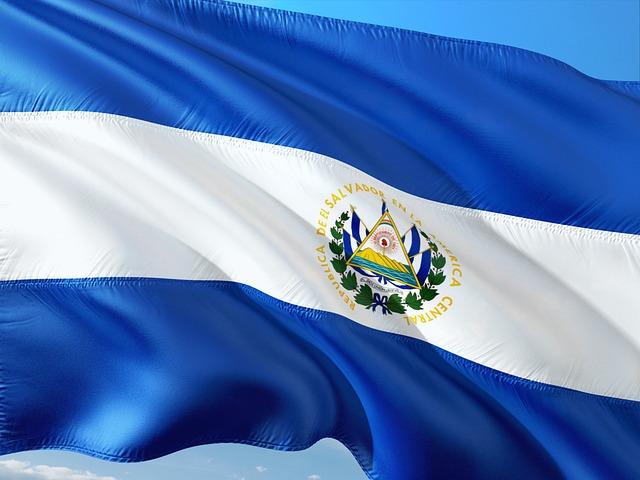
In recent months, U.S. Senator Marco Rubio has voiced strong support for El Salvador, positioning the Central American nation as a crucial ally in the region. His assertions suggest a burgeoning relationship, underscored by shared interests in security, economic cooperation, and democratic governance. However, the complexities of international relations raise questions about the depth of this purported closeness. As this article delves into the evolving dynamics between El Salvador and the United States, we will explore the historical context, current political climate, and the perspectives of local and American stakeholders to assess whether the ties between these two nations are as strong as Rubio insists-or if they remain, in reality, more nuanced and fragile than one might assume.
Analyzing the Political Dynamics Between El Salvador and the United States
The relationship between El Salvador and the United States has undergone significant fluctuations, influenced by changing political climates and leadership. While Senator Marco Rubio and others emphasize a growing bond forged through shared interests, it is crucial to analyze the underlying complexities. Key factors influencing this dynamic include:
- Migration Issues: The ongoing crisis of migration from El Salvador contributes to bilateral discussions, with the U.S. seeking effective solutions to curb illegal immigration.
- Economic Aid: U.S. financial assistance plays a pivotal role in El Salvador’s development, but the effectiveness and oversight of this aid have come under scrutiny.
- Security Cooperation: Joint efforts to address gang violence and organized crime remain a cornerstone of the relationship, yet steps taken by the Salvadoran government can sometimes diverge from U.S. interests.
Recent developments highlight the tensions that can arise underneath the surface of cooperative rhetoric. A table detailing key events in the timeline of U.S.-El Salvador relations reveals critical moments of alignment and discord:
| Year | Event | Impact |
|---|---|---|
| 2012 | U.S. provides $277 million in aid | Increased cooperation on crime and economic growth |
| 2015 | Wave of migration to the U.S. | Pushed U.S. governments to address root causes |
| 2021 | Controversial Bukele administration policies | Strained relations over democratic backsliding |
| 2023 | Reaffirmation of partnerships amid economic challenges | Potential for renewed dialogue on shared priorities |
The Impact of Economic Ties on Bilateral Relations
The economic relationship between El Salvador and the United States has evolved significantly over the years, influencing numerous aspects of their bilateral relations. A central pillar of this dynamic is the trade agreement between the two nations, facilitating the exchange of goods and helping to solidify economic ties. Key factors shaping this relationship include:
- Remittances: Millions of Salvadorans reside in the U.S., contributing significant remittances back home, which form a vital part of El Salvador’s economy.
- Free Trade Agreements: Initiatives like CAFTA-DR have aimed to increase trade and investment, boosting certain sectors in El Salvador.
- U.S. Aid: Financial aid from the U.S. supports various projects, including infrastructure and education, directly impacting Salvadoran livelihoods.
However, while economic ties can often forge close relationships, they do not necessarily equate to political camaraderie. Recent events have illustrated that challenges remain, reflecting tensions over issues such as migration policy, governance, and human rights concerns. The following table summarizes key economic metrics that highlight the relationship:
| Indicator | El Salvador | United States |
|---|---|---|
| Annual Remittances | $6 billion | N/A |
| Trade Volume | $5.2 billion | N/A |
| U.S. Aid (2023) | $500 million | N/A |
Strategic Recommendations for Strengthening U.S.-El Salvador Partnerships
To fortify the ties between the United States and El Salvador, several strategic initiatives can be implemented that address both countries’ economic, social, and security concerns. Firstly, the U.S. can enhance investment in El Salvador’s infrastructure and technology sectors. This could involve establishing public-private partnerships aimed at creating jobs and fostering local entrepreneurship. In addition, expanding trade agreements to include more goods produced in El Salvador could strengthen economic ties and encourage sustainable development. A focus on renewable energy investments will also align with global trends and benefit both nations in the long term.
Furthermore, to improve security collaboration, the U.S. should take a holistic approach that integrates law enforcement training, intelligence sharing, and community engagement programs. This approach can tackle issues such as gang violence and drug trafficking more effectively. To facilitate cultural exchange and mutual understanding, increasing support for education and student exchange programs would also be beneficial. This collaboration can be further enhanced through:
- Joint workshops that address human rights and sustainable governance.
- Capacity-building initiatives for local law enforcement agencies.
- Strengthening immigration pathways for Salvadorans in the U.S. to contribute positively to their homeland.
| Focus Areas | Potential Outcomes |
|---|---|
| Infrastructure Investment | Job Creation, Economic Growth |
| Security Collaboration | Reduced Violence, Safer Communities |
| Cultural Exchange Programs | Stronger Bilateral Relations, Enhanced Understanding |
Final Thoughts
In conclusion, while Marco Rubio’s assertions highlight a perception of proximity between El Salvador and the United States, the reality is far more complex. The multifaceted relationship is shaped by historical ties, economic interdependence, and contemporary challenges such as migration and security. As both nations navigate their interconnected futures, it remains crucial to critically assess the nuances that define their interactions. By understanding the deeper dynamics at play, policymakers and analysts can better evaluate and foster this important bilateral relationship, ensuring it serves the interests of both countries amid an ever-changing geopolitical landscape.